
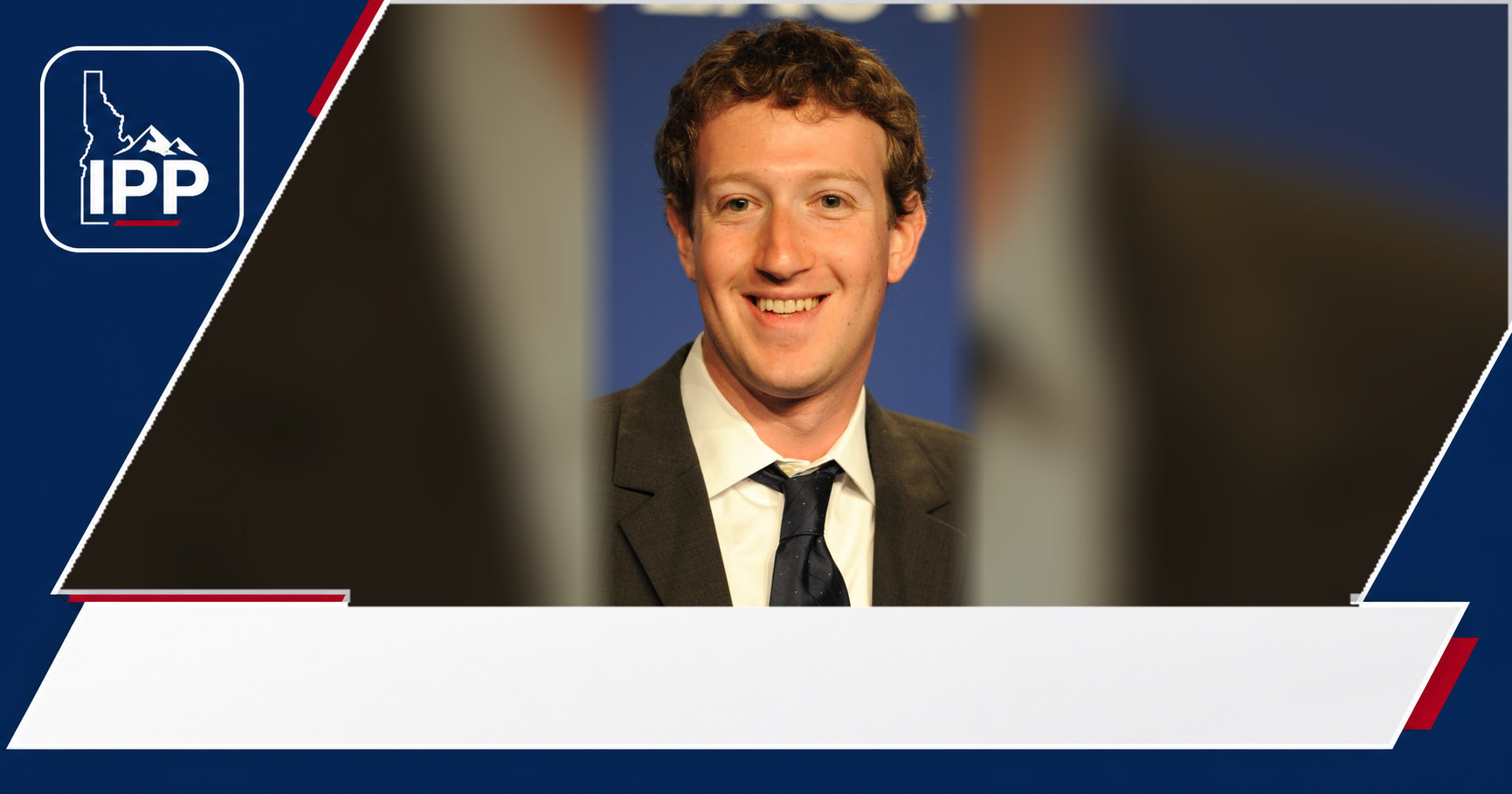
The viral episode turned on a stark contrast: a 42-year-old tour boat came to a stranded crew’s aid while Mark Zuckerberg’s nearby superyacht did not respond. But the account also includes an important dispute over whether Launchpad’s crew received the request in time.
Mark Zuckerberg was booed after his 387-foot, roughly $300 million yacht, Launchpad, reportedly declined repeated requests to help a stranded boat near Juneau, Alaska. A separate tour boat, Wilderness Legacy, rescued the stranded skiff and its crew after the 21-foot vessel ran out of fuel, but Zuckerberg was not aboard Launchpad and his representative disputes that the yacht intentionally ignored the assistance call.
The incident has traveled far beyond Southeast Alaska because it pits an enormous private superyacht against a much smaller vessel that ultimately answered the call. The basic outcome is not in dispute: the skiff and its crew reached safety. The disagreement is over what Launchpad’s crew knew, when it knew it, and what was expected of it.
A fuel problem off Juneau
The Coast Guard received a call shortly after 9:30 p.m. on Aug. 3 concerning a 21-foot skiff that had run out of fuel between Petersburg and Juneau, according to a Coast Guard statement reported by NBC News and the Alaska Beacon.
At about 9:56 p.m., the Coast Guard determined that the people aboard were not in distress and issued a marine assistance request broadcast on their behalf. That distinction matters. A boat needing fuel or a tow can still be vulnerable, especially in Alaska waters, but it is not automatically treated as an immediate distress emergency.
The broadcast went out to vessels in the area. Launchpad, the yacht owned by the Meta CEO, was reportedly closer to the skiff than the vessel that eventually responded.
Wilderness Legacy made the tow
The first vessel to respond was Wilderness Legacy, a 42-year-old tour boat operating in the region. It traveled around Launchpad, reached the skiff and towed it to Farragut Bay, according to the local reporting cited by NBC News.
That rescue is the clearest part of the episode. The skiff’s crew was brought to safety, and there has been no report that anyone was injured.
Wilderness Legacy’s response also supplied the contrast that made the story so shareable. It is a small expedition-style tour boat, not a newly built megayacht equipped with the scale, crew and visibility associated with Launchpad.
How the boos started
The public reaction began with passenger Michael Love, a New York software developer traveling with his son on the Alaska cruise. Love wrote on Bluesky that the Coast Guard had radioed Zuckerberg’s yacht, which he said was closer, and that it repeatedly refused to respond.
Love later described near-unanimous booing when Wilderness Legacy’s captain told passengers that Launchpad had not answered the radio call. His account helped turn a localized maritime-assistance story into a referendum on billionaire excess and public responsibility.
The viral framing was powerful because the optics were simple: an ultra-luxury vessel appeared to remain nearby while an older tour boat handled a practical rescue. But passenger accounts are not the same as a complete record of radio traffic, crew decisions or the timing of every message.
Launchpad crew disputes the account
Brian Baker, a spokesperson for Zuckerberg, said Launchpad did not knowingly reject a request for help. Baker said the skiff was already being assisted by the time the yacht’s crew learned it was in trouble.
According to Baker, the crew reviewed the Coast Guard contact on a different radio channel from the one it was operating on, and the assistance was already underway. He also said that the Coast Guard had determined the skiff was not in distress.
“We’re grateful all parties are safe,” Baker said in the statement reported by NBC News. He added that neither Zuckerberg nor his family was aboard Launchpad at the time.
That response does not erase the criticism from passengers on Wilderness Legacy. It does, however, challenge the strongest version of the allegation: that a crew received an urgent plea, understood it and deliberately chose not to act.
What maritime duty actually means
The episode has prompted questions about whether a vessel has a legal obligation to respond. International maritime rules do impose serious duties when people are in danger at sea. The International Convention for the Safety of Life at Sea, commonly known as SOLAS, says a ship’s master who receives a distress signal is generally bound to proceed with all speed to help people in distress, unless doing so would be unreasonable or unnecessary.
But the Coast Guard’s reported determination that the skiff was not in distress is central. A marine assistance broadcast for a disabled vessel is not necessarily the same thing as a distress signal requiring an immediate emergency response.
There is also no public indication in the available reporting that the Coast Guard accused Launchpad’s crew of violating a law or issued any enforcement action. The story is therefore largely about judgment, communication and expectations rather than an established finding of wrongdoing.
Why the incident hit a nerve
Launchpad is reported to be 387 feet long and to have cost between $300 million and $390 million to build. Those details made the gap between the yacht and a fuel-stranded 21-foot skiff especially difficult for critics to ignore.
For some observers, the issue is straightforward: a capable nearby vessel should help when another boat needs assistance, whether or not the situation meets the narrow definition of distress. Others will see a more complicated situation in which a crew cannot be faulted for a call it did not receive or did not fully review until another rescue was already underway.
What remains unclear is the precise sequence of radio transmissions, when Launchpad’s crew became aware of the request and whether a response would have changed anything. What is clear is that Wilderness Legacy answered, the skiff was towed to safety, and the contrast left Zuckerberg’s yacht at the center of a very public backlash.






Leave a Reply