

The bill would touch NIL rules, athlete protections, transfers, media rights and conference power. Its biggest test is whether Congress can settle issues that schools, athletes and courts have been fighting over for years.
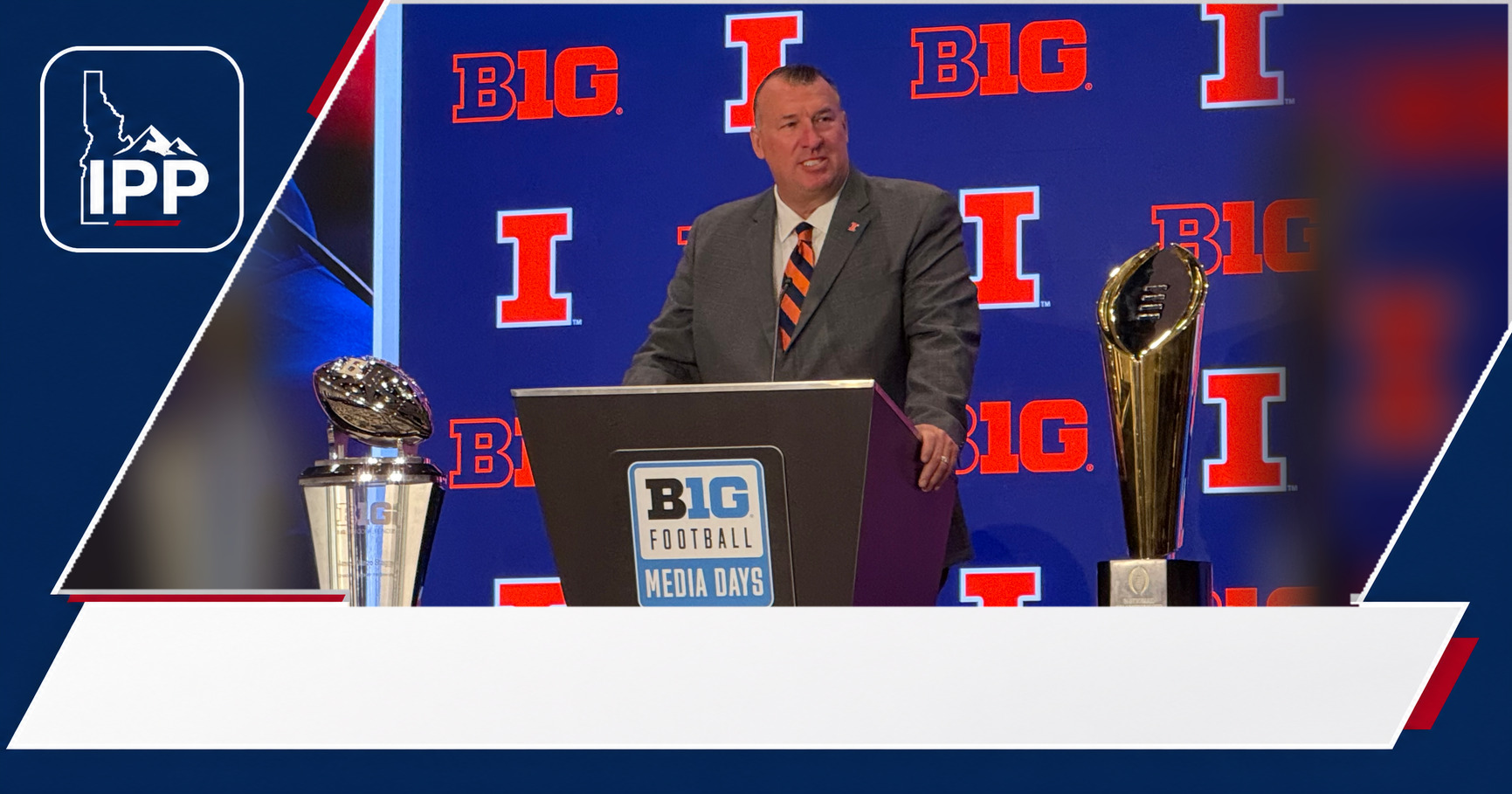
A revised Protect College Sports Act was sent to the SEC and Big Ten as a Senate vote on the bill is looming, putting college sports’ two most powerful conferences squarely in the middle of Washington’s latest attempt to rewrite the rules.
The bill matters because it could shape name, image and likeness deals, athlete protections, transfers, media rights and the balance of power between schools, conferences and players at a moment when college athletics is already being remade.
The bill now before power leagues
The Protect College Sports Act of 2026, listed on Congress.gov as S.4668, is framed as a federal answer to the fragmented system that has grown around college athletics since athletes gained the ability to profit from their name, image and likeness.
According to the Congress.gov bill text, the measure was introduced in the Senate on June 2, 2026, by Sens. Ted Cruz, Maria Cantwell, Eric Schmitt and Chris Coons. It was referred to the Senate Committee on Commerce, Science, and Transportation and reported with an amendment on June 24.
The latest attention is on a revised version being sent to the SEC and Big Ten before a Senate vote timeline. That detail is politically revealing: any national college sports bill that affects revenue, eligibility, athlete compensation or media rights will have to account for the leagues that now sit at the center of the industry’s money and influence.
The SEC and Big Ten are not the only stakeholders. But they are the conferences whose football inventory, television contracts and expansion moves have helped define the current era. If they object strongly, the path gets harder. If they can live with the language, the bill’s chances look different.
What the act would cover
The bill is broad. Its table of contents alone shows Congress is not only looking at NIL endorsements. It reaches into athlete welfare, agent oversight, transfer rules, recruiting behavior, legal exposure and broadcast access.
Among the listed provisions are name, image and likeness protections, modifications to the Sports Agent Responsibility and Trust Act, agent registry requirements, disclosures and a database for NIL agreements. The bill also includes sections on academic protections, medical coverage requirements, health and safety standards, and an Office of the Student Athlete Ombudsman.
That mix reflects the central tension in college sports policy. Lawmakers are trying to give athletes defined rights and protections while also creating a national rulebook that schools and conferences say they need to manage competition.
The bill also addresses transfer protections, eligibility to participate in intercollegiate sports, prohibited compensation and agreements, recruitment and tampering, whistleblower protection and a private right of action. In plain terms: it would not merely endorse NIL. It would attempt to regulate the ecosystem around it.
Why the SEC and Big Ten matter
The SEC and Big Ten matter because they are the clearest symbols of where college sports has gone. The biggest football conferences are no longer simply regional groups of schools. They are national media properties with billion-dollar implications for campuses, athletes, broadcasters and fans.
That makes federal legislation especially sensitive. Rules on NIL compensation, booster-linked collectives, transfers and recruiting do not land evenly across the sport. A restriction that feels manageable to one conference may reshape roster strategy or fundraising in another.
The bill text’s definition of a “collective” is one example. It describes entities that provide donations or support directly or indirectly to student athletes, prospective student athletes, institutions or booster organizations, while carving out certain exceptions. That language goes directly to one of the most disputed parts of the NIL era: whether outside money is truly payment for marketable rights or a recruiting and retention tool in another form.
For the SEC and Big Ten, the stakes are also structural. A section of the bill addresses media rights and broadcast access, including requirements for entities selling media rights and market-level broadcast access for college football and basketball. Another section lists a prohibition on certain conference mergers or acquisitions. Those subjects touch the business model behind realignment and the value of premium college football inventory.
A federal fix or federal control
Supporters of national college sports legislation generally argue that Congress needs to replace the current patchwork of state laws, court rulings, school policies and conference rules with one consistent standard. From that perspective, a federal bill could reduce confusion for athletes and create clearer compliance rules for institutions.
Schools and conferences have complained for years that they are operating in a system where recruiting, NIL, transfers and enforcement are moving faster than existing governance can handle. A single federal framework could make it easier to define what is allowed, what is prohibited and who enforces the line.
Critics and athlete advocates often see a different risk. They worry that a federal bill could give schools and conferences legal protections while limiting athletes’ ability to challenge restrictions in court or bargain for a larger share of the money they help generate.
The bill’s inclusion of limitation on liability, a private right of action and a section labeled “neutrality on employee or non-employee status” signals how closely the legislation sits next to unresolved legal fights. Whether college athletes should be treated more like students, contractors, employees or a category of their own remains one of the biggest questions in the sport.
The athlete protections inside
The athlete-facing provisions are not minor. The bill’s table of contents lists medical coverage requirements, health, wellness and safety standards, academic protections and comparable standards for access to facilities, services and events.
It also calls for student athlete representation on intercollegiate athletic association governing boards and creates an Office of the Student Athlete Ombudsman. Those provisions suggest lawmakers are aware that simply regulating NIL money would not answer broader concerns about power and accountability.
There are practical questions, though. A federal law can set requirements, but the effect depends on enforcement, funding, definitions and whether athletes know how to use the rights provided. An ombudsman office, for example, may be meaningful if it has authority and trust. It may be symbolic if it lacks either.
The same is true for transparency around NIL agreements. A database could help regulators spot patterns and prevent disguised recruiting deals. It could also raise privacy and competitive concerns if disclosure rules are too broad or poorly designed.
What happens before a vote
The immediate question is not whether college sports needs rules. Almost every major stakeholder agrees the current system is unstable. The real fight is over whose rules, whose enforcement power and whose legal exposure will be written into federal law.
A looming Senate vote does not guarantee final passage. Even if the Senate advances a version, the House would still have to act, and any differences would need to be resolved before a bill could become law. Stakeholders could also push for changes right up to the point of a vote.
What remains unclear from the available public materials is the exact content of the revised version sent to the SEC and Big Ten, and whether it differs materially from the Congress.gov text reported out of committee. That matters because small wording changes on NIL collectives, liability, revenue sharing, transfers or media rights could have large consequences.
The clean takeaway is this: the Protect College Sports Act is not a narrow NIL bill. It is an attempt to build a federal operating system for college athletics. The SEC and Big Ten receiving the revised language shows where the pressure is now concentrated, and the Senate vote timeline will test whether Congress can turn years of argument into a workable law.





Leave a Reply