
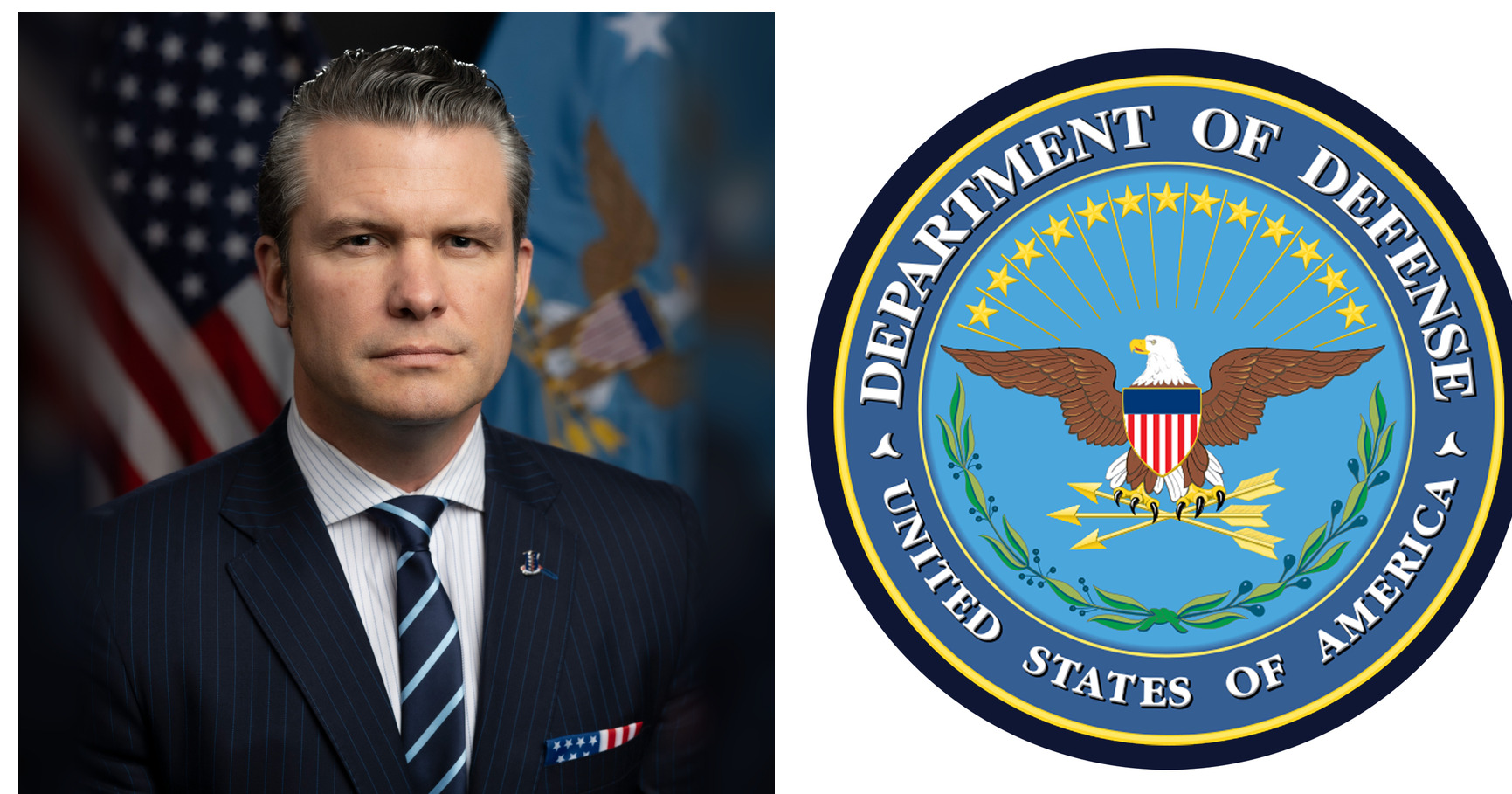
The Iowa State Fair remarks put a Cabinet official’s rhetoric alongside the administration’s policy changes affecting transgender troops. Here is what is known about the appearance, the military context and the questions still unanswered.
Defense Secretary Pete Hegseth used a transphobic slur while speaking about the U.S. military at the Iowa State Fair on Monday, according to CNN. Hegseth made the remarks during an appearance supporting Republican Rep. Zach Nunn, who is seeking a third term in Congress.
The moment matters because Hegseth is not merely a political surrogate discussing culture-war issues. He leads the Defense Department as it carries out policy changes affecting transgender people who want to join the military and those already serving.
A fairground stop with national stakes
CNN described the Iowa State Fair appearance as a campaign event for Nunn, an Iowa Republican. State fairs are often informal venues for candidates and political figures, but Hegseth’s role gives his language a different weight than that of an ordinary campaign speaker.
As defense secretary, Hegseth oversees an institution responsible for the readiness, rules and personnel policies of the U.S. armed forces. His comments about who belongs in that force can be heard not only as political messaging, but also in the context of decisions made by the department he runs.
The available CNN report identifies the setting, the military topic and Nunn’s campaign connection. It does not provide a full transcript of Hegseth’s remarks, a broader account of the exchange, or a response from Hegseth, Nunn or the Defense Department.
What CNN reported from Iowa
CNN reported that Hegseth used a transphobic slur during his Iowa State Fair remarks. The network’s brief video description said he was speaking at the event on Monday while appearing in support of Nunn.
That account establishes the central facts behind the controversy, but important details remain unreported in the research available here. It is not clear whether Hegseth delivered prepared remarks, responded to a question, or spoke directly about a particular Pentagon policy.
It is also unclear whether he or the department has issued a statement addressing the language. Until a complete video, transcript or official response is available, the public record should not be stretched beyond what has been reported.
The policy context behind the remarks
The comments land amid a major shift in military policy on gender dysphoria. A Defense Department news release on its implementation guidance said the department had halted accessions of people meeting its criteria and directed the services to prepare to separate currently serving members who have a diagnosis or history of gender dysphoria, or exhibit symptoms consistent with it.
The department said the guidance followed a January executive order from President Donald Trump. The release framed the policy as a matter of military standards and readiness, using language that advocates for transgender Americans have sharply criticized.
For supporters of the policy, the Pentagon’s stated rationale is that the military may set demanding medical and readiness requirements. Critics argue that broad exclusions treat transgender service members as a political category rather than evaluating people individually on their ability to perform their jobs.
That disagreement is central to understanding why Hegseth’s words drew attention. The dispute is not confined to rhetoric; it concerns access to service, the future of current troops and how the country defines military readiness.
Why language from a defense secretary matters
Public officials routinely use political shorthand, especially at campaign events. But a slur from a Cabinet official can carry consequences beyond the immediate crowd, particularly when the official controls policy affecting the group being discussed.
Transgender troops, veterans and military families may view the remarks as a signal about the culture surrounding decisions that affect their careers and benefits. Civil-rights advocates have long argued that hostile rhetoric can compound the practical effects of exclusionary rules, even when an individual policy is defended in administrative terms.
Others may see the Iowa appearance as consistent with Hegseth’s public posture on military culture and the Trump administration’s broader approach to transgender participation in the armed forces. That political alignment is precisely why separating rhetoric from policy is difficult in this case.
The immediate question is not whether every voter shares the same view of the underlying policy. It is whether a defense secretary should use language widely understood as derogatory while discussing a population affected by his department’s decisions.
What remains to be clarified
A fuller account of the Iowa State Fair exchange would help establish the precise wording, audience reaction and surrounding discussion. It would also clarify whether the Pentagon or Nunn’s campaign intends to respond.
There are broader policy questions as well. The Defense Department’s guidance has described a process for separating some service members with gender dysphoria, but implementation, individual cases and possible challenges can shape how broadly such rules operate in practice.
For now, the reported fairground remarks offer a concentrated example of the larger conflict around the U.S. military: a debate over readiness and standards on one side, and a debate over equal treatment, service and dignity on the other. Hegseth’s position at the center of that conflict makes his public language part of the story, not a side issue.





Leave a Reply