
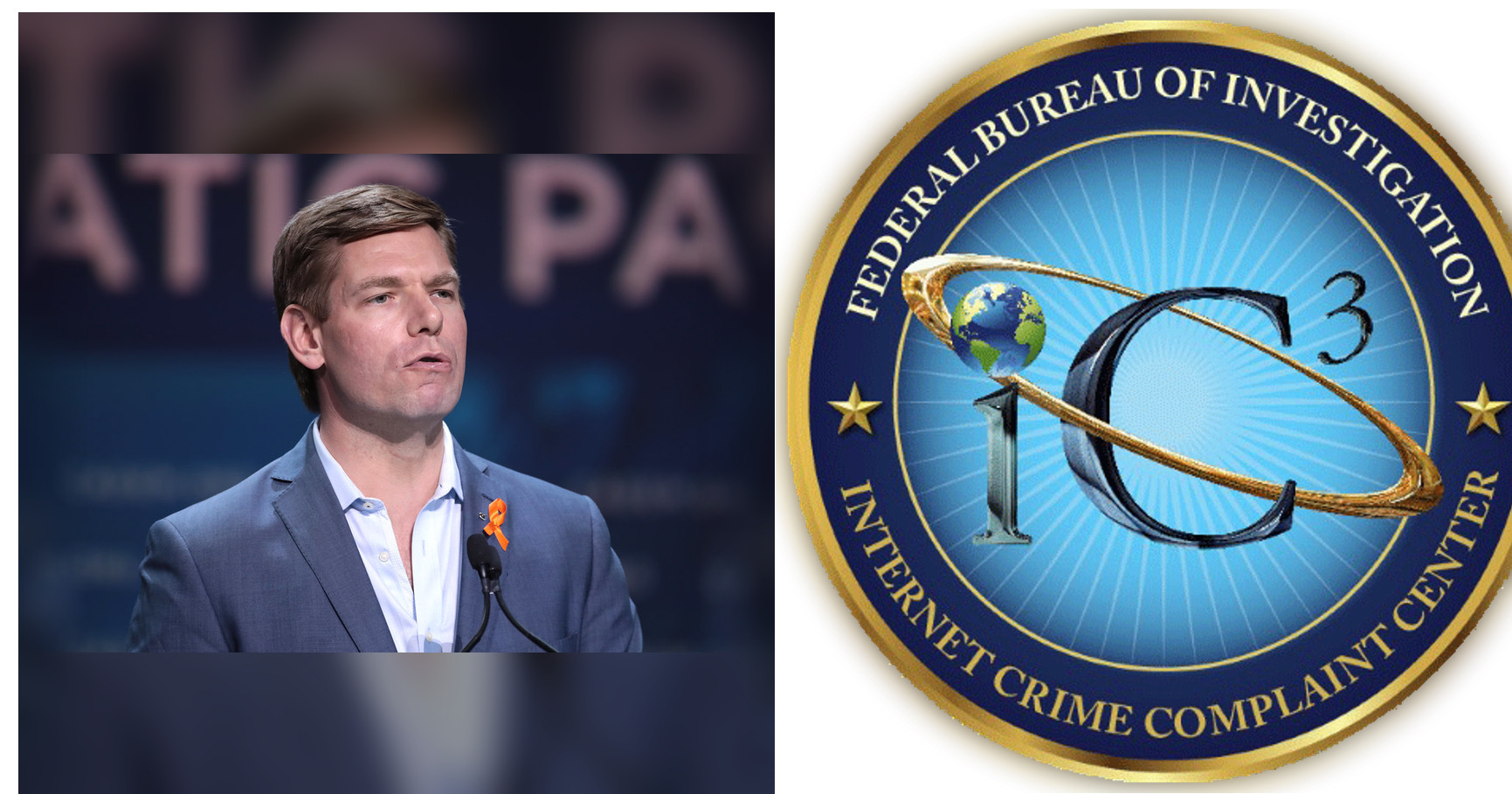
The reported searches mark a significant escalation in scrutiny of allegations against the former California congressman. A search warrant can show investigators are pursuing evidence, but it does not establish criminal wrongdoing.
The FBI seized Eric Swalwell’s phone and other electronic devices and searched the former congressman’s Washington, D.C., home in connection with a federal investigation into sexual misconduct allegations against him. The reported actions matter because they indicate investigators have moved beyond public accusations to collecting potential evidence, though Swalwell has denied criminal wrongdoing.
According to NBC News, agents stopped Swalwell at San Francisco International Airport on Saturday evening, executed a search warrant and took an iPhone and a MacBook Pro. Agents then searched his Washington home the following day, NBC reported, citing a person familiar with the matter and a copy of the warrant.
Devices taken at San Francisco airport
The reported seizure of a phone and laptop is a consequential step in any investigation involving alleged communications, photographs, travel records or other digital material. But the public does not yet know what investigators were specifically seeking, what they found or whether the devices contain evidence relevant to any potential crime.

Search warrants require judicial authorization based on a showing of probable cause. That standard is lower than the standard required to secure a criminal conviction, and a warrant does not mean the person whose property is searched will be charged.
Digital searches can also take time. Investigators commonly need to extract and review device data, assess which material falls within the warrant’s scope and address legal questions over private or potentially privileged communications.
Home search follows reported warrant
Federal agents searched Swalwell’s Washington residence the day after the airport encounter, according to NBC News. The FBI declined to comment, and neither Swalwell nor his attorney immediately responded to the outlet’s request for comment.
The two actions appear to be connected parts of the same federal inquiry. Still, the available reporting does not identify the precise suspected offense, the full geographic scope of the investigation or whether investigators are examining allegations from one accuser, several accusers or a broader set of claims.
That uncertainty is important. A highly visible search can create an impression of a settled case, while the legal process may still be at an early evidence-gathering stage.
Allegations prompted multiple inquiries
Swalwell, a Democrat who represented a California district in Congress from 2013 until resigning in April, has faced multiple public allegations of sexual misconduct. He has denied the accusations, including allegations of sexual assault, calling them false in an April social-media video.
One former aide told the San Francisco Chronicle that Swalwell sexually assaulted her on two occasions when she was too intoxicated to consent, according to NBC’s account of the reporting. CNN later reported allegations from four women. Model Lonna Drewes also publicly accused Swalwell of drugging, raping and choking her during a 2018 encounter in a California hotel; Swalwell denied her allegations as well.
These are allegations, not findings of fact in court. The public reporting does not establish that any alleged conduct occurred, and no federal charges against Swalwell were identified in the NBC report.
Federal interest had already surfaced
Federal law enforcement had contacted at least one woman who publicly discussed allegations against Swalwell in April, NBC reported. The Washington, D.C., U.S. attorney’s office had also publicly sought information related to alleged sexual or inappropriate conduct in the district.
Jeanine Pirro, the U.S. attorney for Washington, posted in April that her office had created a tip line for information involving Swalwell. FBI Director Kash Patel posted a similar appeal for information, according to NBC.
California and New York state investigators were also examining accusations because alleged conduct was said to have occurred in both states. The Manhattan district attorney’s office declined comment on the federal searches, NBC reported.
What the searches do and do not show
The reported warrant activity signals that federal investigators believe there is probable cause to search for evidence described in the warrant. It does not reveal whether prosecutors will decide there is enough admissible evidence to bring charges, or whether any charge could be proven beyond a reasonable doubt.
For Swalwell, the searches intensify a legal and political crisis that already ended his congressional career. For the accusers, they may suggest authorities are taking their claims seriously, but they do not guarantee a prosecution or a particular outcome.
Arick Fudali, an attorney for Drewes, told NBC that his client had not spoken with the FBI but welcomed what he described as an apparent escalation of the investigation. That view contrasts with Swalwell’s consistent denials and underscores the sharply contested nature of the allegations.
Key questions now remain unanswered
The next public signs of the investigation could include court filings, a decision about potential charges, additional witness interviews or litigation over the seized materials. None of those developments is assured.
Investigators and prosecutors may also remain silent for an extended period, particularly if they are reviewing digital evidence or weighing allegations that involve events in several jurisdictions. Until authorities release more information, the reported searches provide a clear indication of federal investigative activity, not a conclusion about Swalwell’s legal responsibility.



Leave a Reply