
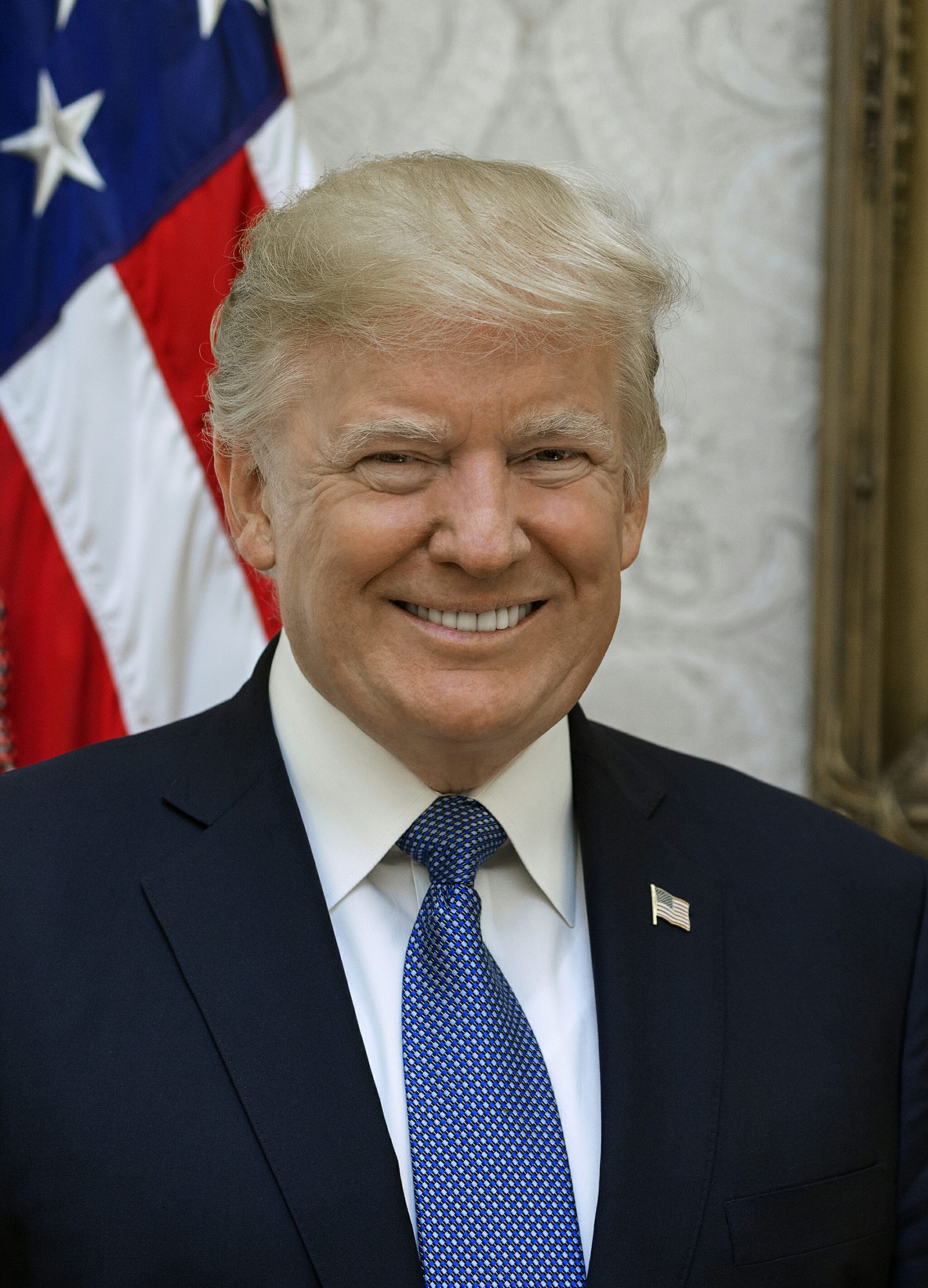
The Great Depression comparison is dramatic, but the underlying concern is concrete: erratic economic policy can unsettle businesses, consumers, investors and U.S. allies at once.
A Nobel economist warned that Donald Trump’s latest actions could push the United States toward a Great Depression-like downturn, criticizing what was described as Trump’s latest “temper tantrum.” This article explains what prompted the warning and the economic risks tied to Trump’s behavior and policies for the United States economy.
The warning matters because Depression comparisons are not routine political insults. They point to a specific fear: that abrupt policy shocks, shaken confidence and a retreat from coordination can turn a slowdown into something deeper and harder to stop.
The warning is about policy shock
The available trend signal, based on an Alternet item surfaced on MSN, says a Nobel economist criticized Trump and warned that his latest behavior could put the U.S. on a path toward a Great Depression-style downturn. The extracted research does not identify the economist by name or fully describe the triggering episode beyond the phrase “temper tantrum.”
That limitation matters. A responsible reading is not that a Depression is now inevitable, or that one economist’s warning settles the debate. It is that the economist is arguing Trump’s latest actions fit a broader pattern of disruptive economic decision-making.
In practical terms, the risk is not one outburst by itself. It is the possibility that sudden policy moves, threats to trading partners, attacks on economic institutions or abrupt reversals could make households and companies delay spending, freeze investment and question whether U.S. policy is predictable.
That is why the “temper tantrum” phrase has bite. It frames the problem as temperament becoming policy: markets and businesses can absorb bad news, but they struggle with uncertainty that appears arbitrary.
Why Depression comparisons sting
The Great Depression was not just a bad recession. The U.S. Department of State’s history office describes it as a global event that stemmed partly from developments in the United States and U.S. financial policies, then lingered through the 1930s with deep international consequences.
The State Department account emphasizes several lessons economists still cite today: the gold standard made economies less flexible, the 1929 stock market crash collided with financial stress in Europe, and governments failed to coordinate effectively as the crisis spread.
One of the most damaging patterns was that countries turned inward. The State Department notes that lack of international coordination helped turn national economic trouble into a worldwide Depression. The failed London Economic Conference of 1933 became a symbol of leaders’ inability to mount a collective response.
That history is why modern economists tend to react sharply when political leaders embrace economic nationalism, sudden trade barriers or pressure campaigns against independent institutions. The fear is not that history repeats line by line. It is that familiar mistakes can reappear in modern form.
The modern economy has guardrails
There are also strong reasons to be cautious about any direct 1930s comparison. The United States today has institutions and stabilizers that did not exist in the same way during the Depression era.
The Federal Reserve has a modern lender-of-last-resort role. Deposit insurance is designed to prevent bank runs from spreading panic. Unemployment insurance, automatic fiscal stabilizers and emergency powers give policymakers tools to support demand when the economy weakens.
Global financial coordination is also more developed. Institutions such as the International Monetary Fund, central bank swap lines and regular meetings among major economies give governments channels to respond before a crisis spirals.
That is the strongest counterargument to the Nobel economist’s alarm. Even if Trump’s critics see his conduct as economically dangerous, the U.S. economy is not mechanically on the same track as the early 1930s.
Where Trump’s critics see danger
The economist’s warning lands because Trump’s political brand has long included confrontation with trade partners, public pressure on institutions and a preference for dramatic threats as negotiating tools. Supporters often describe that approach as leverage. Critics call it instability.
The economic danger, critics argue, comes from how quickly confidence can change. Companies do not need a full-blown crisis to pull back. If executives cannot forecast tariffs, regulation, interest-rate pressure or diplomatic fallout, they may postpone hiring, expansion or cross-border investment.
Consumers can react the same way. If prices look likely to rise because of trade conflict, or if job security feels less certain, households may cut spending. Since consumer spending drives a large share of the U.S. economy, that kind of caution can become self-reinforcing.
Financial markets add another layer. Investors price risk partly on trust that rules will be stable and institutions will not be bent to short-term political demands. A perception that policy is being made impulsively can raise borrowing costs, weaken investment and intensify volatility.
What Trump allies would argue
Trump’s defenders would likely reject the Depression analogy as overheated. They often argue that aggressive trade policy can force better deals, protect domestic industries and pressure foreign governments that have benefited from unfair arrangements.
They may also argue that warnings from economists can understate the political appeal of confronting globalization. For voters who believe factories closed, wages stagnated or communities were hollowed out by trade policy, disruption can look like a necessary correction rather than a risk.
There is a real debate there. Not every tariff or hard-line negotiation produces disaster, and not every defense of free trade accounts for the costs borne by workers in exposed industries.
The unresolved question is whether Trump’s approach is strategic pressure with a clear off-ramp, or a cycle of escalation that makes economic planning harder. The Nobel economist’s warning assumes the latter risk is now too large to dismiss.
The real takeaway for readers
The sharpest reading of the warning is not that the United States is already reliving the Great Depression. It is that a Depression-era analogy is being used to highlight a preventable danger: policy choices can deepen economic pain when they undermine confidence and coordination.
The State Department’s history of the 1930s points to a lesson that still applies. Economic shocks become more dangerous when governments turn inward, coordination breaks down and leaders fail to reassure markets, workers and allies that there is a coherent plan.
That is why this story is more than another Trump controversy. It is a fight over whether economic policy should be predictable even when politics is combative.
What remains unclear is the precise action that triggered the economist’s “temper tantrum” description in the original item. What is clear is the stakes of the argument: if investors, businesses and households begin to treat U.S. policy as erratic, the damage can spread well beyond one news cycle.




Leave a Reply