
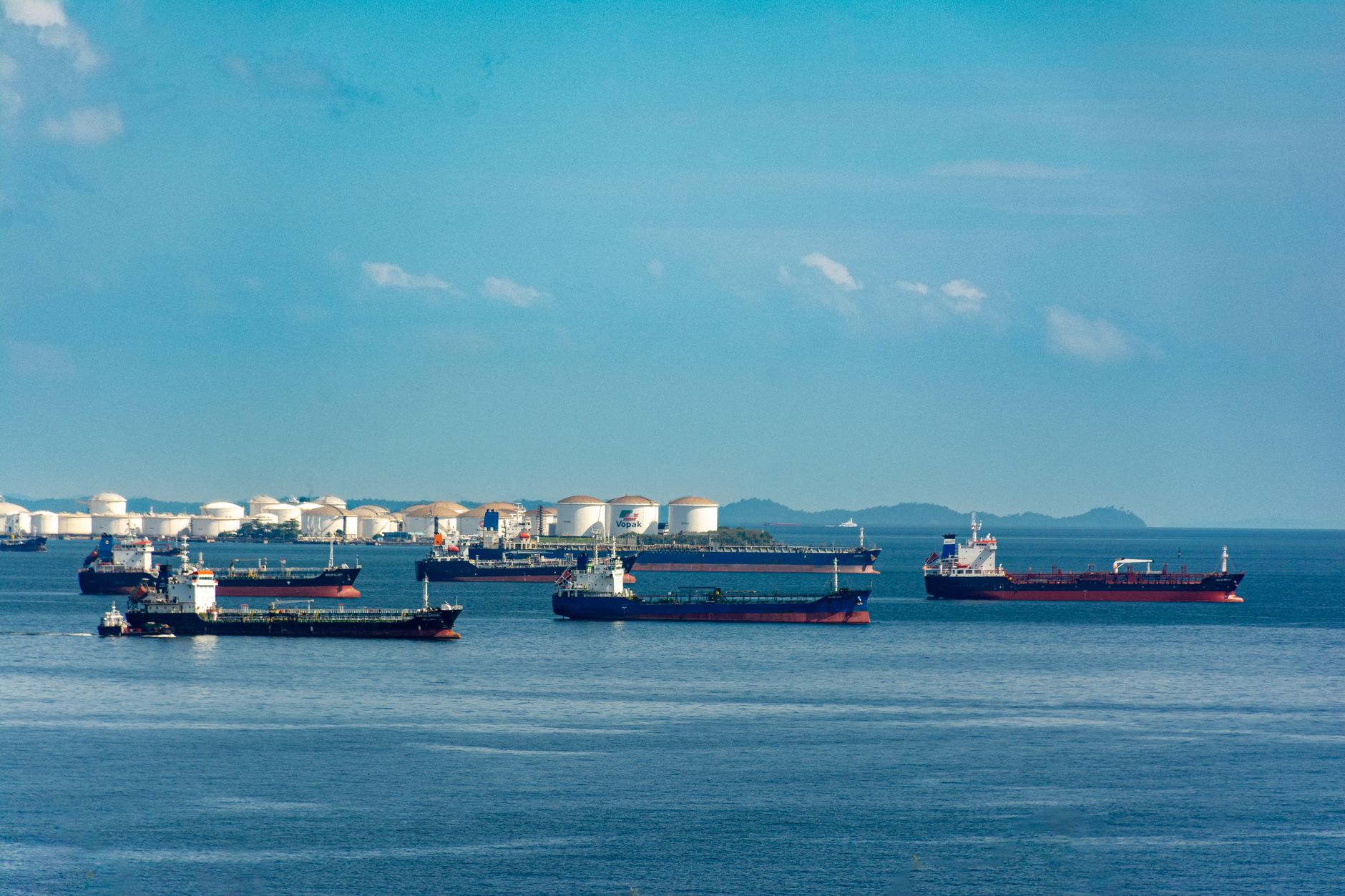
The reported missile fire is more than a regional military signal. It lands near a narrow waterway that can move oil prices, shipping routes and diplomatic calculations far beyond the Persian Gulf.
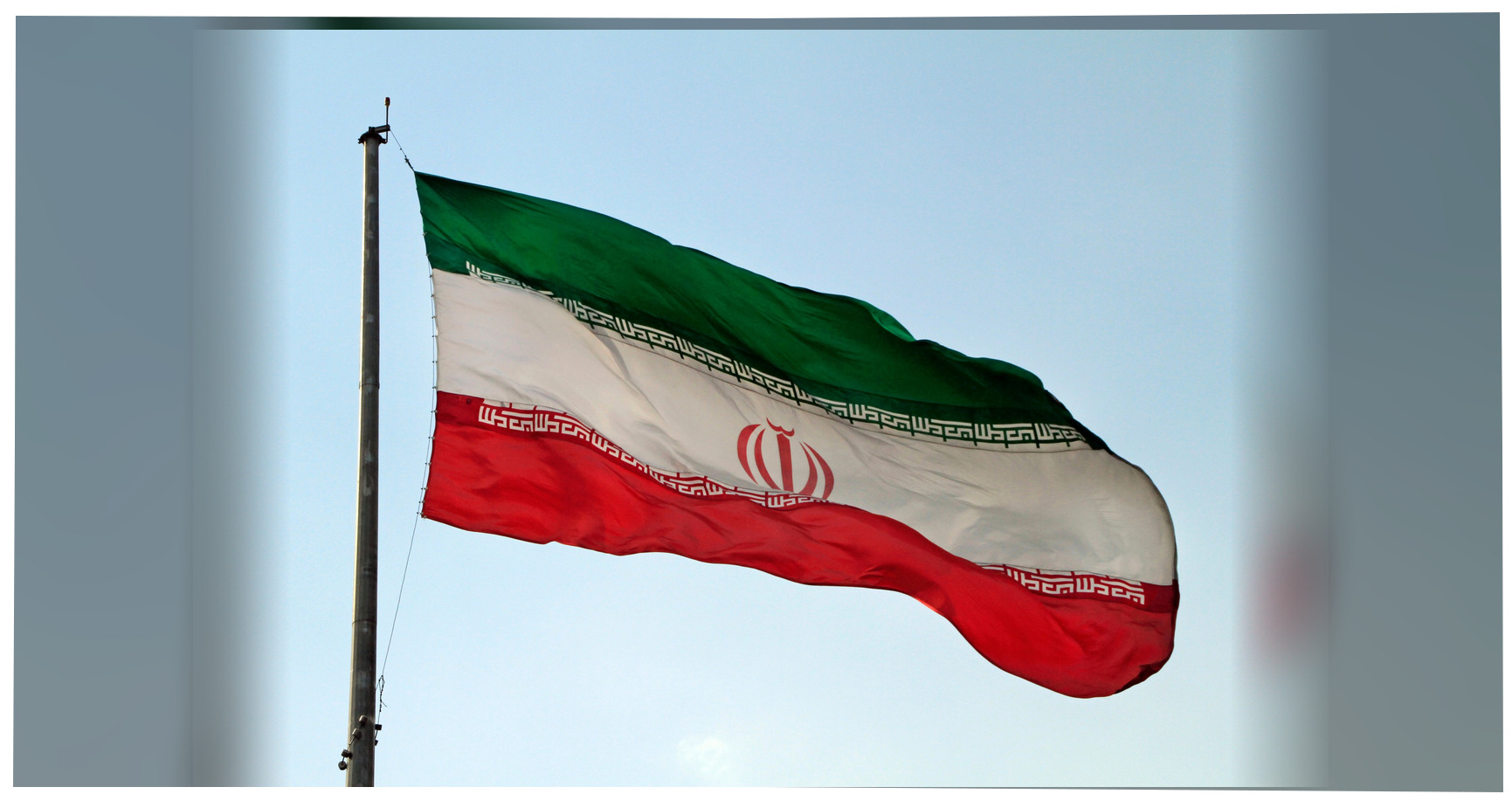
Iran’s Revolutionary Guard has reportedly fired missiles at ships near the Strait of Hormuz, putting renewed attention on a narrow stretch of water with an outsized grip on global energy markets.
The Wall Street Journal reported the missile fire near Hormuz, a location where military signaling can quickly become an economic shock. The immediate facts remain limited, including the condition of the ships and whether the incident caused casualties or major damage.
A warning shot at sea
The reported missile fire matters because of where it happened. The Strait of Hormuz sits between Iran and Oman and connects the Persian Gulf with the Gulf of Oman, making it the main exit route for much of the region’s oil and liquefied natural gas.
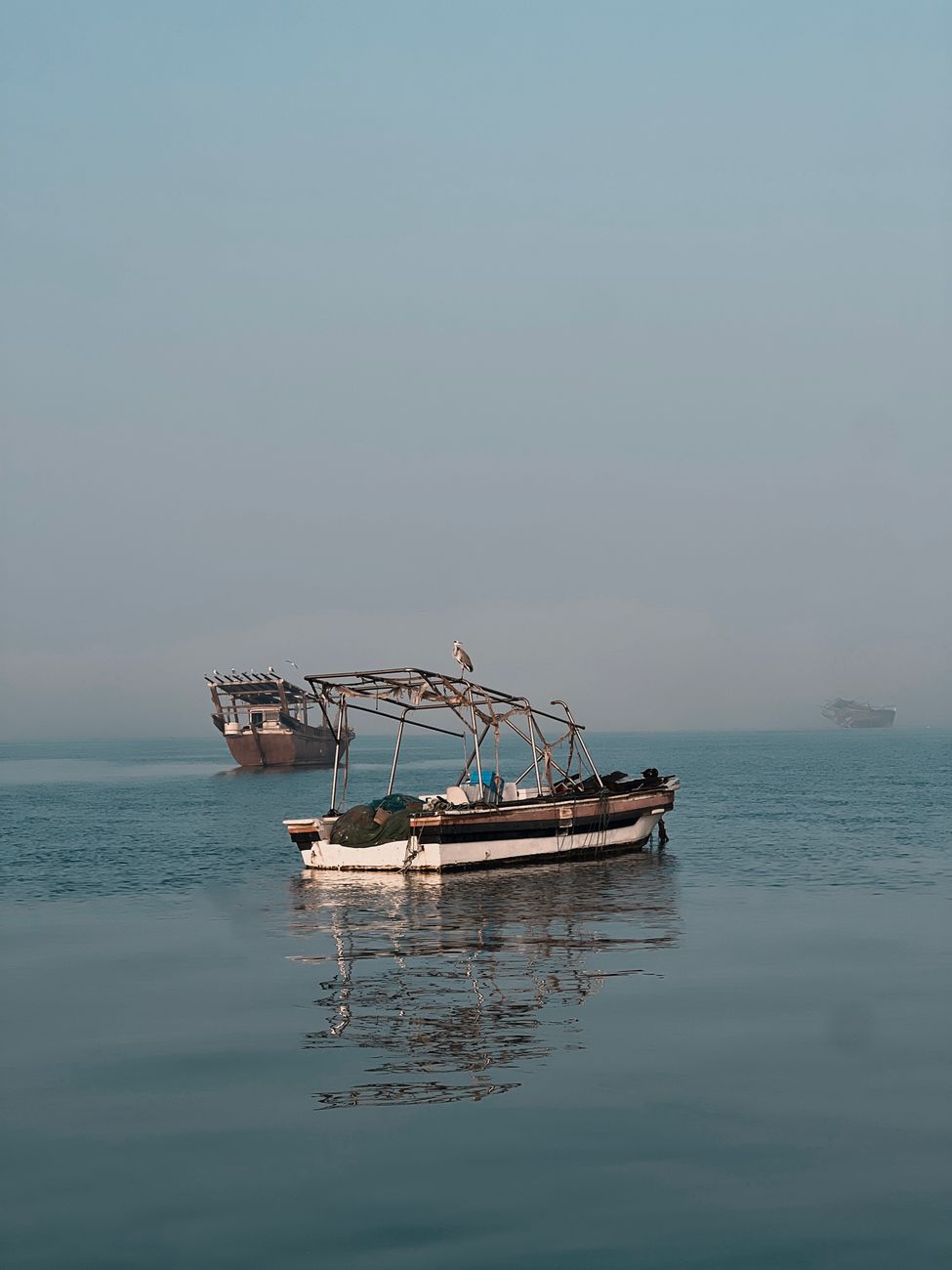
Iran’s Revolutionary Guard, formally known as the Islamic Revolutionary Guard Corps, has long played a central role in Tehran’s maritime posture in the Gulf. Its naval units have used patrol boats, boarding operations, missile systems and warnings to commercial shipping as tools of pressure during periods of confrontation.
In this case, the most important unanswered questions are practical ones: which vessels were targeted, whether the missiles struck or missed, what flag states were involved and whether the incident was meant as a direct attack or a coercive message.
Those details will shape the response. A missile fired near a ship is serious on its own; a confirmed strike on a commercial vessel in or near Hormuz would raise the stakes sharply for shipping companies, insurers and governments with naval forces in the region.
Why Hormuz changes everything
The Strait of Hormuz is not just another maritime route. It is one of the world’s most sensitive chokepoints, only about 21 miles wide at its narrowest point, with designated shipping lanes that carry energy exports from Gulf producers toward Asia, Europe and beyond.
Public energy and maritime assessments have long described Hormuz as critical to global oil and gas flows. Background accounts of the 2026 Strait of Hormuz crisis note that roughly a fifth of global seaborne oil trade and a substantial share of liquefied natural gas shipments normally pass through or depend on the route.
That means a military incident there does not stay local for long. Even if no ship sinks and traffic continues, the risk premium can move quickly into freight rates, insurance costs and crude prices.
For consumers, the connection is indirect but real. A disruption in the Gulf can ripple into gasoline, diesel, jet fuel, fertilizers and other commodities tied to energy transport and petrochemical supply chains.
The Guard’s leverage is geography
Iran’s advantage around Hormuz is not that it controls the global economy. It is that it sits beside a waterway the global economy cannot easily ignore.
The Revolutionary Guard has repeatedly used that geography to project influence. During the broader 2026 Hormuz crisis, public chronologies describe Iranian warnings to ships, restrictions on passage, mine concerns and attacks or boardings of merchant vessels as part of the confrontation around the strait.
For Tehran, maritime pressure can send several messages at once. It can signal defiance to the United States and its allies, warn Gulf states about the cost of alignment against Iran and remind energy markets that pressure on Iran can be answered at sea.
That is why missile fire near Hormuz carries more weight than a similar incident in a less strategic area. The location itself magnifies the signal.
Shipping firms hate uncertainty
Commercial shipping does not need a full closure of the strait to feel pressure. It needs uncertainty.
When missiles are fired near vessels, shipowners and charterers have to decide whether to keep sailing, delay departures, reroute where possible or request naval escorts. Marine insurers may reassess war-risk premiums. Crews may face higher danger, and companies may have to answer to flag states and customers.
Some cargoes cannot simply take another route. Oil and LNG exports from Persian Gulf ports often depend on Hormuz as the practical outlet to the open ocean. Pipelines can reduce exposure for some producers, but they cannot replace the full capacity and flexibility of sea lanes.
That is why even a contained incident can have a market impact. Traders do not wait for a formal closure when the risk is that a tanker could be hit, boarded or trapped.
Escalation risk is the real story
The most dangerous part of maritime brinkmanship is how quickly it can outrun the original intent. A missile launch meant as a warning can be interpreted as an attack. A naval escort can be treated as a challenge. A damaged vessel can trigger calls for retaliation.
The Gulf has a long history of tense encounters involving Iran, the United States and regional powers. Background accounts of the current crisis describe U.S.-led military activity, Iranian restrictions, escort operations and disputed ceasefire moves as part of a months-long contest around the strait.
That history matters because every new incident is interpreted through it. A single exchange near Hormuz is rarely viewed in isolation; it becomes evidence in a larger argument about deterrence, freedom of navigation and who can set the rules in the Gulf.
For Washington and its partners, the core concern is keeping commercial routes open without stumbling into a wider war. For Iran, the calculation is how much pressure it can apply without provoking a response that damages its own military or economic position.
What to watch now
The first thing to watch is confirmation. Governments, maritime security centers and ship operators may clarify whether any vessel was hit, whether distress calls were issued and whether traffic patterns changed near the strait.
The second is the response from naval forces operating in the region. If the incident leads to escorts, warnings, interdictions or air operations, the risk level rises. If shipping continues with limited disruption, markets may treat the event as another flare-up rather than a turning point.
The third is energy pricing. A sharp move in crude or LNG benchmarks would suggest traders see the missile fire as part of a broader threat to Gulf flows. A muted reaction would mean markets are waiting for harder evidence of disruption.
For now, the reported missile fire is a reminder of why Hormuz remains one of the world’s most watched waterways. It is narrow, crowded, militarized and economically vital. That combination makes even limited action at sea feel much larger than the map suggests.








Leave a Reply