
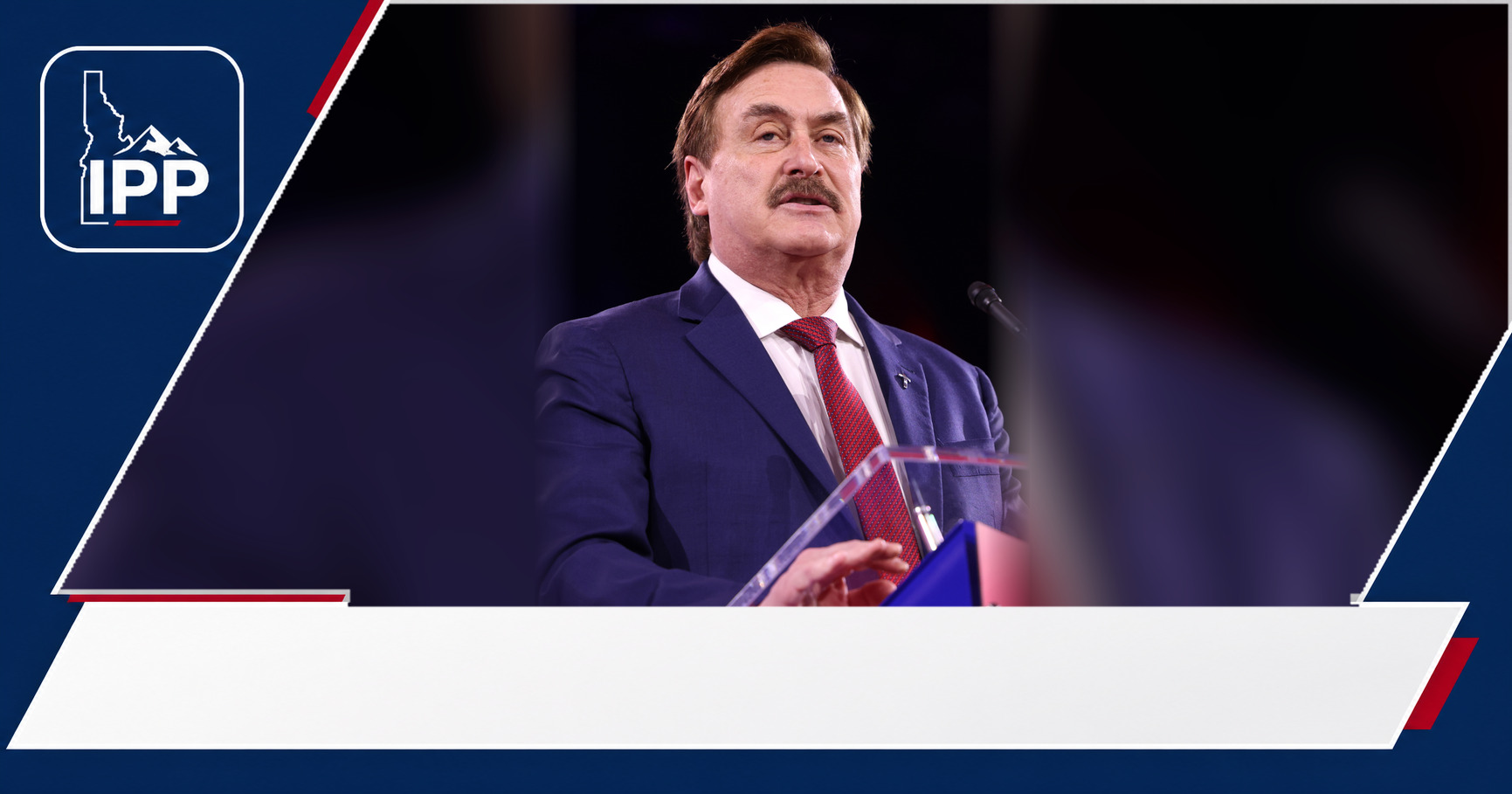
A reported on-air confrontation involving Mike Lindell is gaining attention amid his long-running defense of false claims about the 2020 election. The available materials confirm the clash but leave important questions about the exchange unanswered.
Mike Lindell reacted angrily during an interview after an interviewer fact-checked him directly, according to the report that prompted fresh attention to the MyPillow founder and prominent election-denial activist. The available source material describes a confrontation between Lindell and the interviewer, but does not identify the interviewer, provide a full transcript, or specify the exact statement being challenged.
That missing context matters. Lindell’s public comments about the 2020 election have repeatedly been scrutinized by courts, journalists and voting-technology companies, making the substance of any on-air fact-check more consequential than a heated exchange alone.
What is known about the exchange
The available reporting characterizes Lindell’s response as angry after he was challenged face-to-face in an interview. It establishes the core sequence: an interviewer disputed or corrected Lindell, and Lindell reacted forcefully.
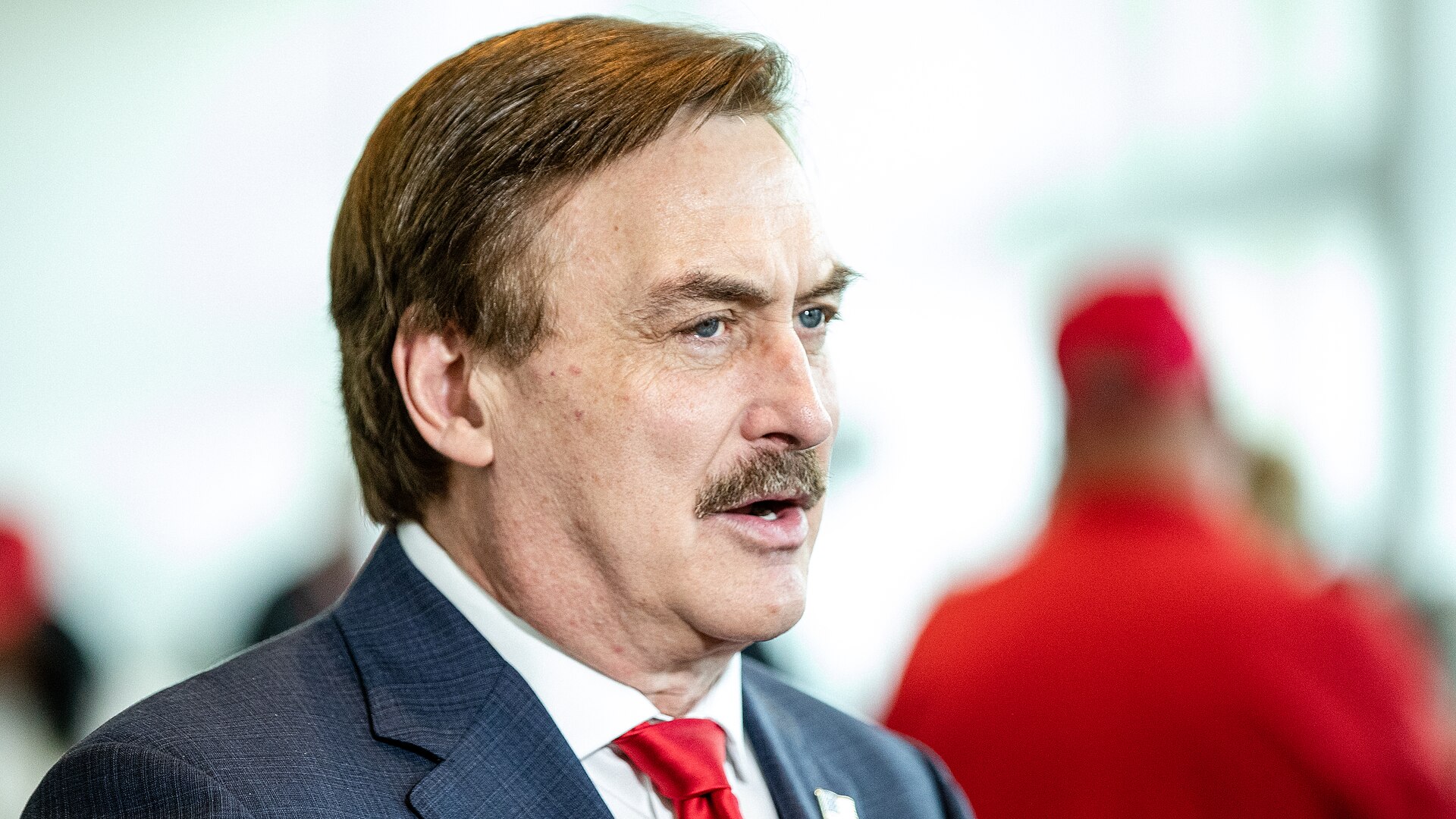
But the supplied material does not include video, audio, a transcript, the program’s name, the date of the interview, or the interviewer’s identity. It also does not say whether the fact-check concerned election claims, Lindell’s businesses, legal cases or another subject.
Those are not minor omissions. A fact-check can range from correcting a discrete number to challenging a broad factual narrative, and the distinction shapes how viewers should understand a guest’s reaction.
Why the missing clip matters
Short descriptions of contentious interviews often spread faster than the underlying exchange. They can make a moment of visible frustration the story, while leaving the audience unable to assess the claim, the evidence offered in response, or whether either participant addressed the point directly.
In this case, the careful reading is narrow: Lindell was reportedly fact-checked in an interview and reacted angrily. The materials available here do not support adding details about his wording, the interviewer’s wording, or what immediately followed.
That restraint is especially important in political-media disputes, where selective clips and incomplete descriptions can reinforce an audience’s preexisting view without resolving the factual disagreement at the center of the encounter.
Lindell’s record on election claims
Lindell has been among the most visible promoters of false claims that the 2020 presidential election was stolen from Donald Trump through widespread fraud involving voting systems. Courts, election officials and multiple reviews have not substantiated those claims.
His statements have also had legal consequences. In June, a jury in Denver ordered Lindell to pay $2.3 million to Eric Coomer, a former Dominion Voting Systems employee, according to the BBC. The case centered on Lindell’s false accusations that Coomer helped rig the 2020 election.
The BBC reported that Lindell said he would appeal and that he continued to stand by his broader election claims during the two-week trial. Lindell also publicly highlighted the jury’s decision not to find Lindell TV liable in the case.
Reuters has previously identified Lindell as one of the highest-profile figures attacking voting machines after the 2020 election. That history helps explain why a direct challenge to his assertions can quickly become a political flashpoint.
Fact-checking is not a neutral spectacle
Supporters of confrontational interviewing may see a direct correction as necessary when a guest repeats a claim that has already been tested and rejected. From that perspective, allowing a false assertion to pass without challenge can mislead viewers.
Critics of aggressive fact-checking sometimes argue that hosts can turn interviews into performances, interrupt guests too quickly, or appear to decide the debate before laying out the evidence. The strongest version of an on-air correction, though, is one that identifies the precise claim and gives the audience a way to evaluate the support for it.
Without the full Lindell exchange, it is not possible to judge the interviewer’s method or whether Lindell responded to the underlying factual point. What is clear from Lindell’s public record is that claims about the 2020 election are not merely matters of partisan interpretation; many have been examined in litigation and by election authorities.
The stakes go beyond one interview
The broader issue is what happens when a well-known political figure is challenged in real time. A guest’s anger may become the most shareable part of the moment, but the public-interest question is whether the audience comes away better informed about the underlying claim.
For Lindell, that question carries added weight because election-related allegations have affected individual election workers and voting-technology employees. Coomer’s lawsuit said the accusations had damaged his reputation and led to credible threats, as reported by the BBC.
The reported confrontation may therefore generate attention because of Lindell’s reaction, but its lasting significance depends on information not yet established in the available materials: what he said, what evidence the interviewer cited, and whether viewers can examine the entire exchange rather than a description of its most heated seconds.
What remains unclear
No full account of the interview was included in the source material provided for this report. Until the original video, audio or transcript is available, claims about the exact trigger for Lindell’s reaction should be treated cautiously.
The confirmed takeaway is straightforward: Mike Lindell reportedly reacted angrily after an interviewer fact-checked him directly. The larger context is equally clear: his record of promoting false election claims means that evidence, not the temperature of the exchange, is the part worth watching most closely.





Leave a Reply