
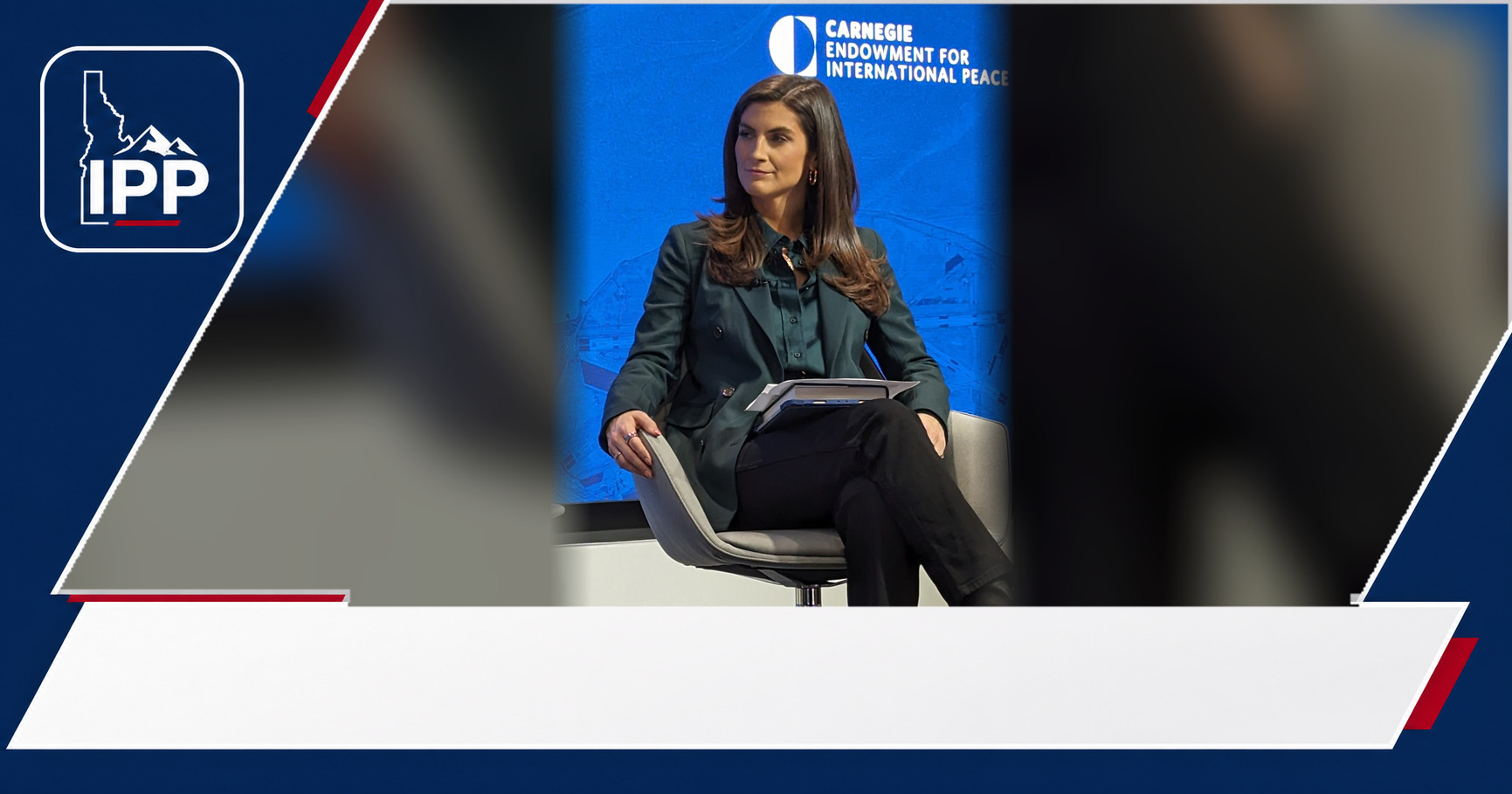
The clash turned a question about Epstein-related documents into another public fight over how Trump treats reporters who press him. Collins’s response kept the focus on the substance of the question: victims, records and accountability.
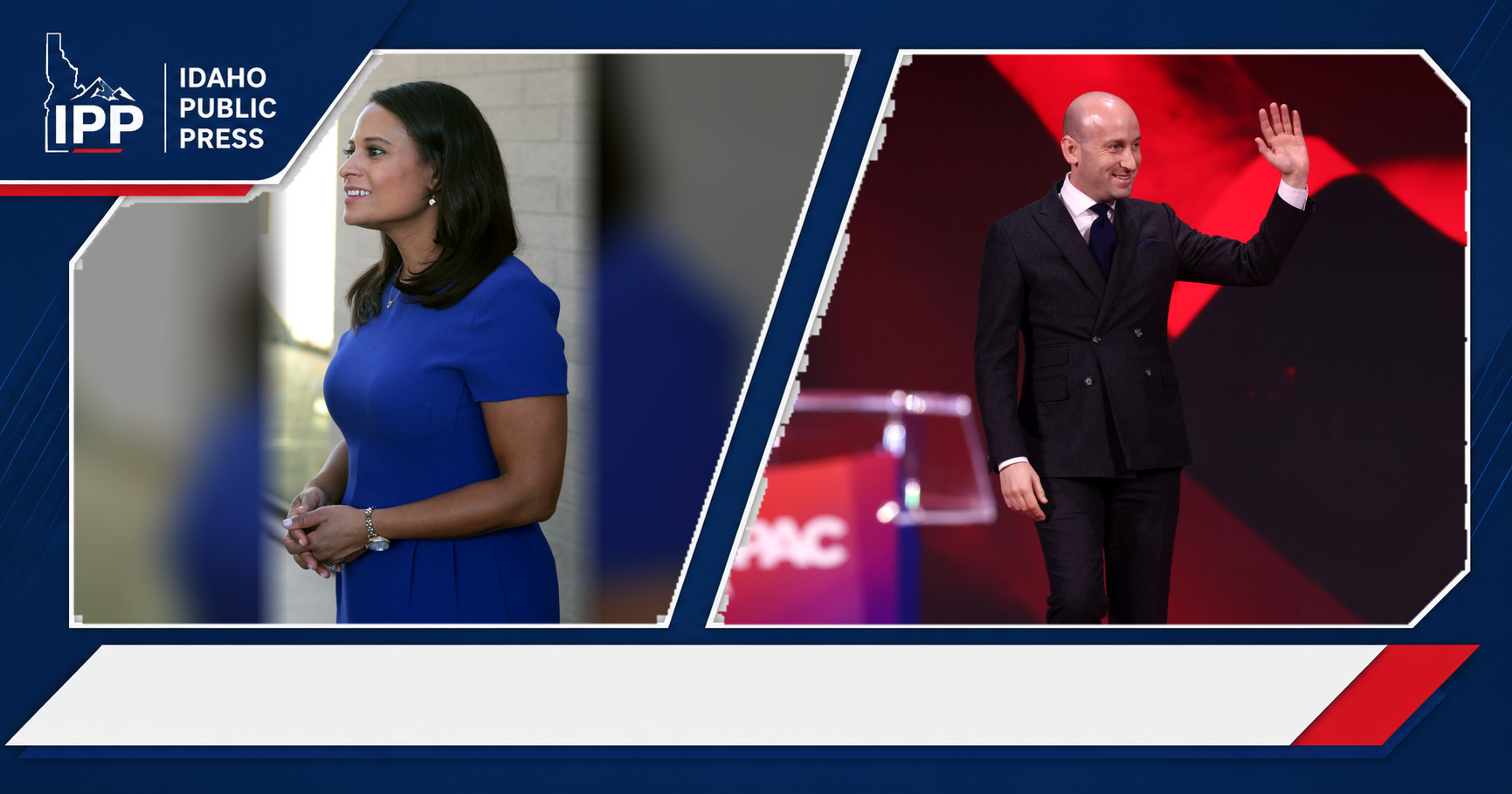
Donald Trump made a sexist remark or joke about Kaitlan Collins in the Oval Office on Tuesday, scolding the CNN correspondent for not smiling as she questioned him about Jeffrey Epstein files. Kaitlan Collins responded forcefully to Trump’s comment by pointing back to the subject at hand: Epstein’s sexual assault victims.
The exchange matters because a question about newly released Epstein-related records quickly became a public test of how the president handles scrutiny from the press. In the familiar shorthand of political-media conflict, Collins claps back — but the sharper issue is what got interrupted.
The Oval Office exchange
According to The New York Times, Trump was seated at the Resolute Desk when Collins pressed him during an Oval Office appearance about the latest release of files connected to Jeffrey Epstein. The president had already answered two of her questions about the documents before the tone changed.
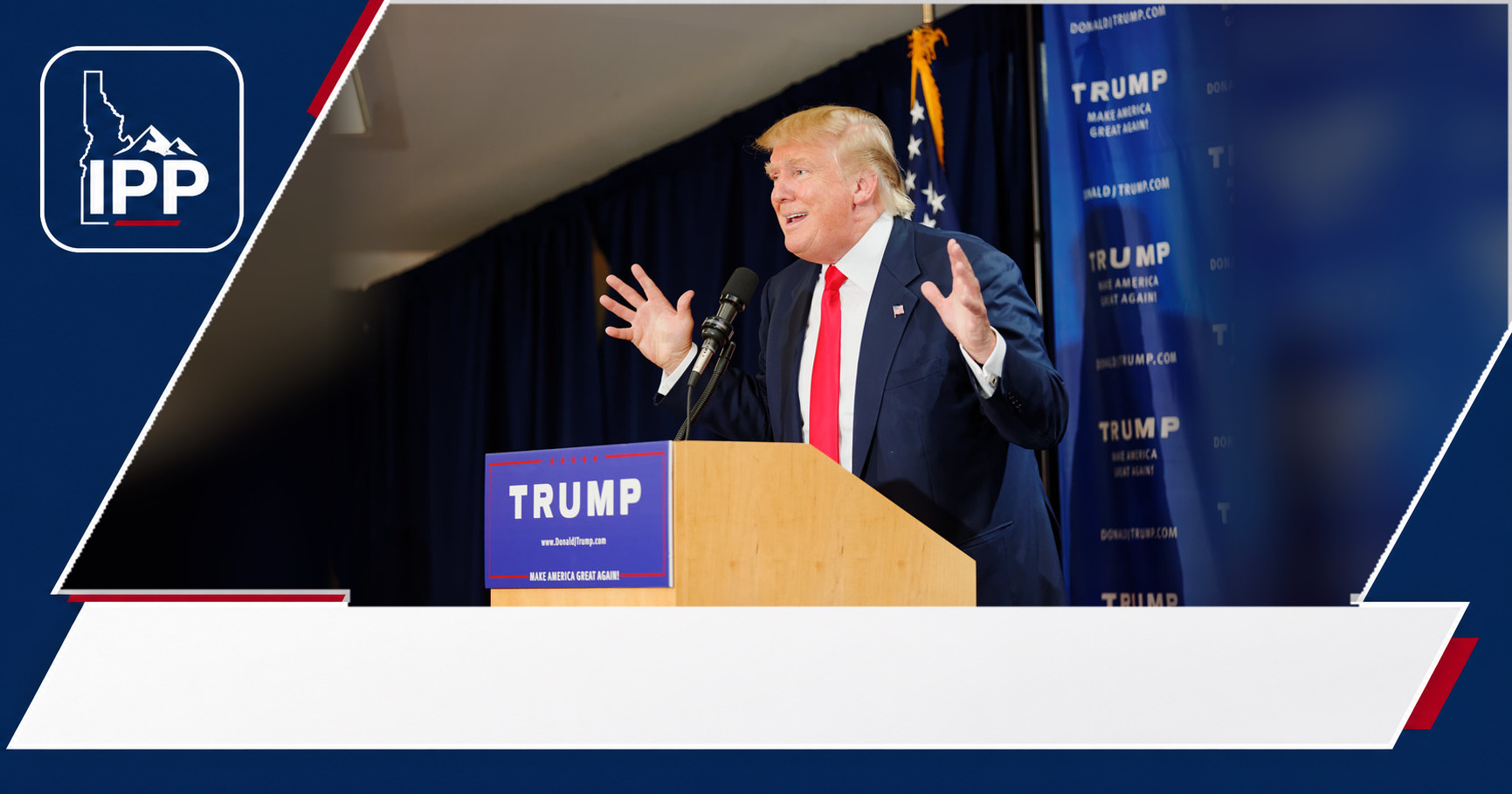
When Collins asked another question about Epstein’s victims, Trump shifted from the files to Collins herself. He called her “the worst reporter,” criticized CNN’s ratings and told her he did not think he had ever seen her smile.
The smile remark was not a stray aside at the end of a casual exchange. It came while Collins was asking about a disgraced financier who had been charged with sex trafficking and whose case remains a source of public distrust, conspiracy theories and demands for transparency.
Collins’s response, as reported by the Times, was direct: she noted that she was asking the president about Epstein’s sexual assault victims. Trump interrupted and tied her lack of smiling to his accusation that she was “not telling the truth.”
Why the smile remark landed
Presidents often spar with reporters. They complain about framing, reject premises and accuse outlets of bias. This moment drew attention for a different reason: Trump’s criticism centered on Collins’s expression while she was doing her job.
For many journalists and media observers, telling a female reporter to smile carries a familiar gendered charge. It suggests the reporter’s demeanor is part of the story, even when the question concerns government records and alleged victims.
That is why the backlash was not only about Trump’s hostility toward CNN. It was also about the way a serious question was reframed around whether a woman was sufficiently pleasant in the room.
Trump’s defenders have often argued that his clashes with reporters are part of his combative style and that he treats hostile questioning bluntly regardless of who asks it. Critics say the pattern looks different when the put-downs repeatedly target women journalists with comments about appearance, tone or personal manner.
Collins kept the focus narrow
Collins did not need a long rebuttal to make the point. Her pushback was to remind Trump what she was asking about: Epstein’s sexual assault victims.
That choice mattered. A personal insult can pull a reporter into a defensive exchange, creating a clip about attitude instead of accountability. Collins’s response put the subject back where it began — on the victims and the government’s handling of Epstein-related information.
It also underscored the tension at the center of these Oval Office moments. Reporters are trying to extract answers in a setting controlled by the president and his staff. The president can answer, evade, joke, attack or end the encounter. The reporter’s job is to keep the question alive long enough for the public to hear what was asked and how it was handled.
In that sense, the “clap back” was less theatrical than the phrase suggests. It was a correction of priorities.
CNN backed its reporter
CNN defended Collins after the exchange. The network called her “an exceptional journalist” who reports “with real depth and tenacity,” according to the Times.
The statement was notable not because it was unusually elaborate, but because it has become familiar. The Times reported that CNN has used the same defense before as Trump has repeatedly singled out Collins.
Collins is CNN’s chief White House correspondent and has covered Trump extensively since 2016. That history has made her a frequent target of his criticism and a recurring figure in the broader fight between the White House and major news outlets.
Trump has previously attacked Collins publicly, including in a Truth Social post cited by the Times in which he called her “Stupid and Nasty” and attacked CNN. Those personal attacks form the backdrop for why Tuesday’s moment traveled quickly beyond the room.
The Epstein files question
The subject Collins was asking about was not minor. Epstein’s case has remained politically explosive because it touches on elite access, criminal accountability and public confidence in whether powerful people receive different treatment.
Epstein, a financier and former associate of Trump, was charged with sex trafficking before his death in jail in 2019. Documents connected to investigations, lawsuits and government handling of his case have repeatedly drawn intense public interest.
Questions about the files are also difficult for any administration because they sit at the intersection of transparency, privacy, law enforcement and politics. Records can contain sensitive information about victims and third parties, but secrecy can also feed public suspicion.
That is why Collins’s question about victims was central. The public argument over Epstein files is often dominated by names, theories and partisan claims. The victims are the people whose allegations and trauma made the case matter in the first place.
A familiar media pattern
Trump’s relationship with the press has long been defined by confrontation. He brands outlets as “fake news,” singles out individual reporters and often turns questions into arguments about credibility, ratings or loyalty.
Supporters see that as a refusal to accept what they view as a hostile media establishment. They argue that reporters at major networks frame questions to damage Trump and that his counterattacks are a form of political self-defense.
Critics see something more corrosive: a president using the power of his office to demean journalists who ask uncomfortable questions. When the target is a woman reporter and the criticism focuses on smiling, they argue, the exchange takes on a familiar sexist undertone.
Both readings explain why these clips move so fast. They are not only about one question or one answer. They are proxies for a larger fight over power, accountability and who gets to demand answers in public.
What remains unclear
The immediate facts of the exchange are clear from reporting: Collins asked about Epstein-related files and victims; Trump criticized her reporting, CNN and her facial expression; Collins responded by returning to the victims; CNN defended her work.
What remains less clear is whether the episode will produce any fuller answer on the underlying issue. The public still has questions about what is in the Epstein-related files, what can legally be released and how officials are weighing transparency against privacy and investigative concerns.
The political effect is also uncertain. Trump’s supporters may see the moment as another example of him jousting with a network they distrust. His critics may see it as another example of using personal insults to dodge a serious question.
The clean takeaway is that the insult became the headline, but it was not the whole story. Collins’s pushback mattered because it pointed back to the part of the exchange most at risk of being lost: the victims at the center of the Epstein files question.





Leave a Reply