
The story is not just about a famous surname. It sits at the intersection of online influence, conservative politics and serious criminal allegations the Tate brothers deny.
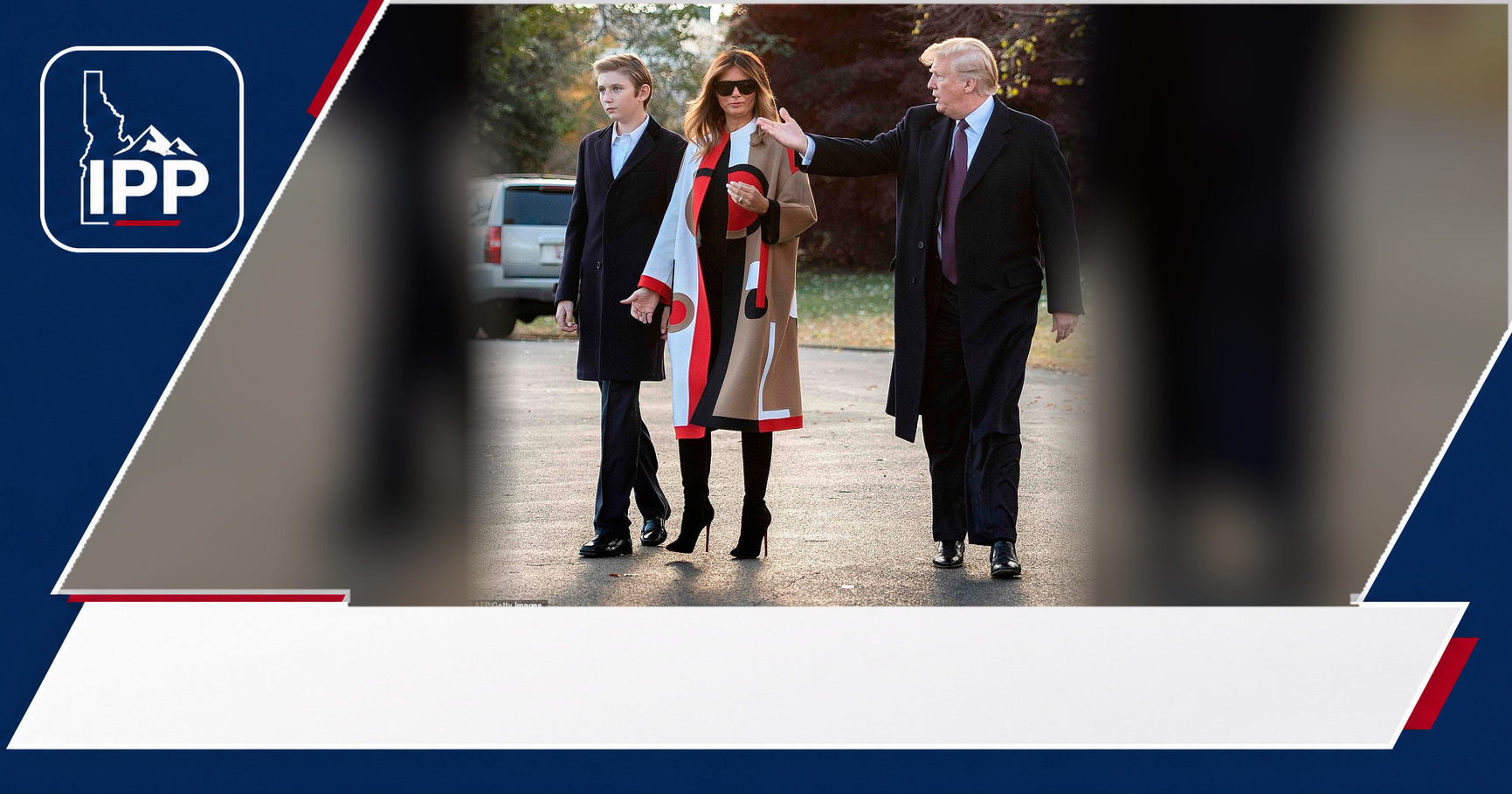
Barron Trump is cited in a story about the Tate brothers as Andrew Tate and Tristan Tate face 59 UK charges in the United Kingdom. The article explains the reported outreach and legal context: how the polarizing influencers’ connections in Trump-family and conservative circles have drawn scrutiny while UK prosecutors and courts pursue allegations the brothers deny.
The mention of Barron matters because it moves the story beyond internet fame. It raises a more uncomfortable question: how did two men accused in multiple jurisdictions become figures whom powerful political circles were willing to hear out?
Why Barron Trump is mentioned
Barron Trump’s name has appeared in reporting about Andrew Tate’s efforts to cultivate allies on the American right. The New York Times has reported that Tate courted influential conservative figures and people close to the Trump family while he and his brother were under legal pressure abroad.
The Times reported in 2025 that Andrew Tate, then barred from leaving Romania, sought support from powerful figures on the American right, including Tucker Carlson and Barron Trump. A later Times report said Barron had been friendly with Andrew Tate, according to its account.
That does not mean Barron Trump has been accused of wrongdoing. The significance is political and reputational: his name appears in a wider story about access, influence and the Tate brothers’ push to remain connected to U.S. conservative power centers while facing serious allegations.
The UK case at center
The current hook is the reported figure: Andrew Tate and Tristan Tate face 59 UK charges. CNN has reported that the brothers appeared in Miami federal court in connection with a UK extradition matter, with court documents detailing rape charges. Reuters has also reported on their arrest in the United States on new UK-related charges.
The allegations are serious, and the legal posture is still developing. PBS NewsHour, discussing New York Times reporting, described the brothers as right-wing influencers facing criminal investigations in Romania and criminal charges in the U.K. for alleged sex crimes.
Both Andrew and Tristan Tate have denied criminal allegations against them. That denial is central to any fair account of the case, as is the fact that charges and extradition proceedings are not convictions.
The UK process matters because it could determine where the brothers must answer those allegations. Extradition fights often move slowly, and courts typically examine whether legal standards are met before a defendant is transferred to another country.
Romania still shadows the story
The UK charges are only one part of the Tate brothers’ legal troubles. They have also faced criminal investigations in Romania, where they had previously been barred from leaving while prosecutors pursued their case.
PBS reported that Romanian authorities later lifted the travel ban, allowing the brothers to board a plane to Florida. That move drew attention because it came after years of restrictions and amid reporting about political pressure and support from parts of the American right.
The brothers’ defenders have often portrayed the cases against them as politically motivated or exaggerated. Critics argue the allegations should be treated as serious criminal matters, not converted into culture-war content for social media.
That tension is why the story keeps resurfacing. It is a legal case, but it is also a test of how celebrity, politics and online fandom can blur the public’s understanding of criminal proceedings.
Conservative ties face scrutiny
Andrew Tate built a large following by selling a hard-edged version of masculinity to young men online. His fans see him as blunt, anti-establishment and unfairly targeted. His critics see a figure who normalized misogyny and turned outrage into a business model.
That audience made him useful in some right-wing media ecosystems, especially among influencers trying to reach young male voters and viewers. The Times and PBS have described a broader movement in conservative circles that showed support for the Tate brothers as their legal problems mounted.
Those connections are now more complicated. A New York Times report in July 2026, according to the research record, said the brothers were losing right-wing allies after their arrest. That shift suggests some figures who once saw the Tates as attention magnets may now view them as liabilities.
Barron Trump’s mention fits into that broader map of proximity. It is less about one reported relationship than about the circles the Tates were trying to enter, and the reputational risks for anyone linked to them.
What is known and unclear
Known: Andrew and Tristan Tate are central figures in a UK criminal case described in reports as involving 59 charges. Known: the brothers have denied criminal allegations. Known: U.S. court proceedings have been tied to the UK case, and prior reporting has connected the brothers to conservative outreach in the United States.
Less clear: what direct role, if any, Barron Trump played in the reported outreach beyond being cited in accounts of Andrew Tate’s contacts. The available reporting does not establish that Barron influenced legal decisions or official government action.
Also unclear is how the UK case will proceed and whether extradition efforts will succeed. Courts, not social media campaigns, will decide the next legal steps.
That distinction matters. The Tate brothers have a large online following, but public attention is not a substitute for evidence, and political proximity is not a legal defense.
Why the story keeps moving
The Tate case has unusual staying power because it combines several volatile ingredients: serious sex-crime allegations, a massive online fan base, right-wing media attention, Trump-family proximity and cross-border court proceedings.
For supporters, the brothers represent defiance against institutions they distrust. For critics, they are a warning about how internet celebrity can soften the public reaction to grave accusations.
The Barron Trump reference sharpens that debate because the Trump name carries political weight far beyond ordinary social connections. Even a reported friendship or contact can become part of a larger argument about access and influence.
The cleanest takeaway is also the most sober one: Barron Trump is being cited because of reported outreach and conservative-circle ties, while Andrew Tate and Tristan Tate face a substantial UK legal case. The next meaningful developments will come from courts and prosecutors, not from the online noise around them.

Leave a Reply