

The immediate ruling does not necessarily require the records to be released. It does force the Justice Department to explain, on an accelerated timeline, why the public should not see them before elections take place.
A judge put the U.S. Department of Justice on a deadline to justify keeping documents about U.S. Immigration and Customs Enforcement agents at polling places secret, citing the time sensitivity of upcoming elections. The order does not itself establish that ICE agents were deployed to polls or require immediate disclosure, but it requires the DOJ to defend its withholding of the records before election-related concerns become stale.
That distinction matters. Court fights over government records can take months or years, while election disputes often turn on information that is most useful before voting begins. The judge’s move puts pressure on the government to explain why secrecy is warranted now.
A deadline, not yet disclosure
According to the Law & Crime report, the judge directed the DOJ to justify its secrecy claims concerning documents about ICE agents at polling places. The reported rationale was the approaching election calendar.
A deadline of this kind is a procedural ruling. It means the court wants a focused explanation from the government, potentially including legal arguments or a more detailed account of why particular records should remain confidential.
It is not the same as a final ruling that the documents must be made public. The DOJ could still persuade the court that some or all of the material is protected from disclosure, or the court could order a narrower release, redactions, or further review.
Why election timing changes the case
In many public-records disputes, delay is a major advantage for the agency holding the documents. Even if records are eventually released, their practical value can diminish after the event they concern has passed.
Here, the judge’s reference to the “time sensitivity of upcoming elections” recognizes that information about law-enforcement activity near voting sites can affect public understanding before ballots are cast. Voters, election administrators, advocacy groups and local officials may view the records differently after an election than they would while decisions about polling places and voter access are still being made.
The accelerated schedule also reflects a basic tension in election litigation: courts are often reluctant to make sweeping changes close to an election, but waiting until afterward can leave important questions unanswered when they mattered most.
ICE presence carries unusual stakes
ICE is the federal agency primarily responsible for immigration enforcement and removal operations. Its presence at or near a polling place would carry concerns beyond ordinary election administration, particularly for citizens in mixed-status families or communities where immigration enforcement is a source of fear.
Those concerns do not prove wrongdoing, and the available reporting does not establish what the disputed documents contain, whether agents were actually sent to polling places, or what their role may have been. Those are central unanswered questions in the records dispute.
Supporters of disclosure can argue that voters deserve clarity about any federal activity that could affect confidence or participation. The government, meanwhile, may contend that releasing internal records could expose sensitive law-enforcement methods, personnel information, deliberations, or other protected material. The court will have to weigh those competing interests based on the specific records at issue.
Federal election monitoring is different
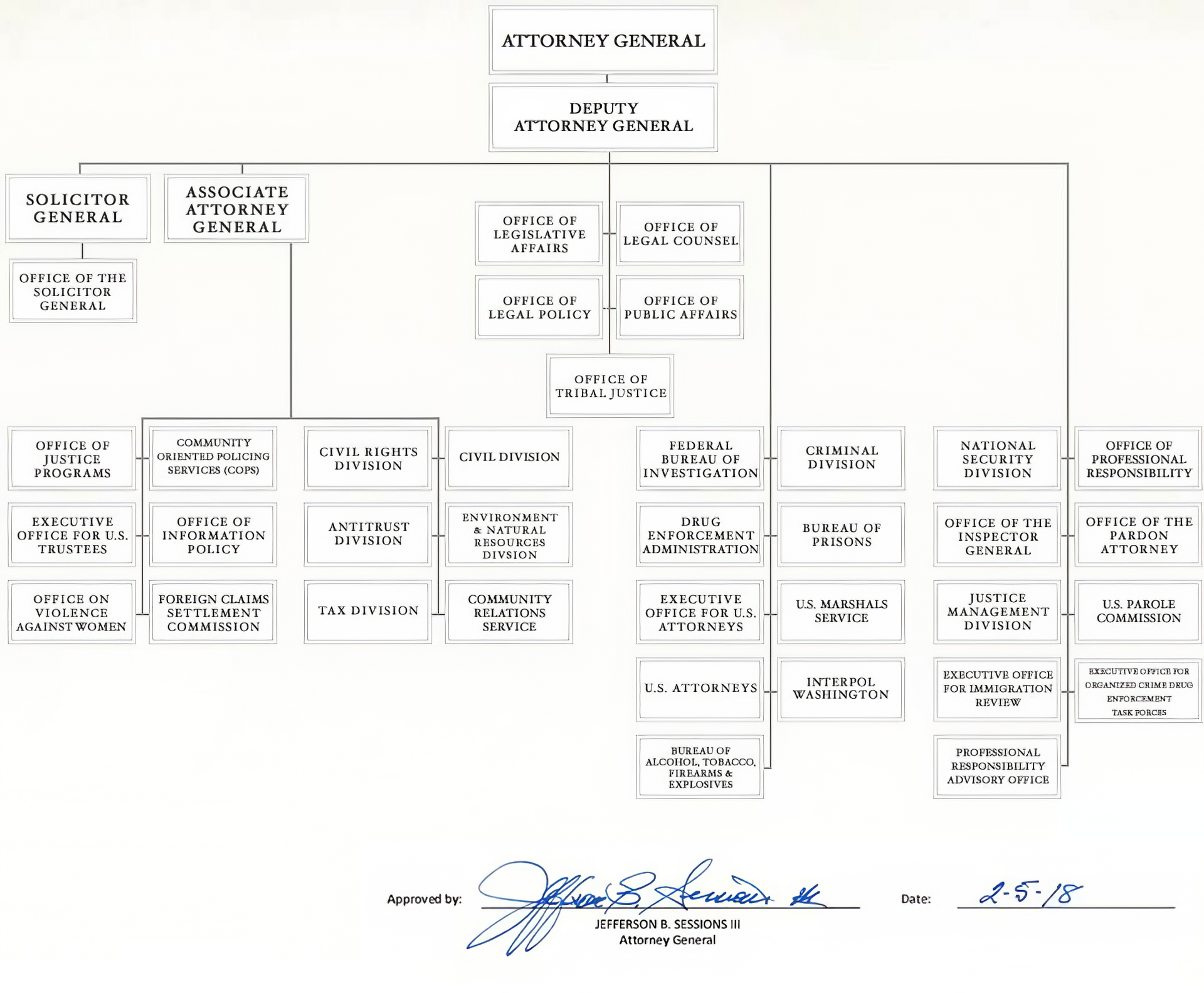
The dispute also requires a careful distinction between ICE agents and authorized federal election monitors. The Justice Department’s Civil Rights Division says it monitors polling places on election day to assess compliance with federal voting-rights laws.
Under the department’s description, federal observers can monitor polling-place procedures and report what they witness to the Civil Rights Division. Such observer assignments have a legal framework tied to the Voting Rights Act and, in some circumstances, court orders.
That established monitoring role should not be conflated with immigration enforcement. The records cited in the court dispute concern ICE agents, while the DOJ’s public materials on election monitoring describe federal observers, Division attorneys and staff engaged in voting-rights oversight. The available information does not show that the ICE-related documents involve an authorized federal-observer program.
What the DOJ must now show
Government agencies commonly rely on legal exemptions when withholding records. Depending on the request and the documents, those arguments can involve privacy, law-enforcement sensitivity, internal deliberations, or other protections recognized by statute and case law.
The judge’s deadline means general claims of confidentiality may receive closer scrutiny. A court can require an agency to identify withheld records with enough detail for the requester and the judge to assess the claimed exemption, while still protecting information the court agrees should remain nonpublic.
Possible outcomes include full disclosure, partial disclosure with redactions, continued withholding, or an order for the judge to review the records privately. The report does not specify which records the DOJ is withholding, the legal basis it has asserted, or the exact timetable set by the court.
The unresolved questions before voting
The central issue is not simply whether documents will become public. It is whether the court can resolve the government’s secrecy claims quickly enough for any resulting information to be meaningful before the upcoming elections.
For now, the reported order narrows the next step: the DOJ must explain why the ICE polling-place records should remain secret. The court has not, based on the available report, made findings about ICE conduct at polling places, the contents of the documents, or whether any election rule was violated.
That restraint is important in a politically charged setting. The deadline creates urgency, but the eventual answer will depend on the records themselves and on whether the Justice Department can support its request for confidentiality with specific legal grounds.








Leave a Reply