

The dispute centers on money visitors pay at national parks and whether it was moved away from repairs and maintenance elsewhere. The senators say the administration must show how the spending complied with the law and why the public was not given a fuller accounting.
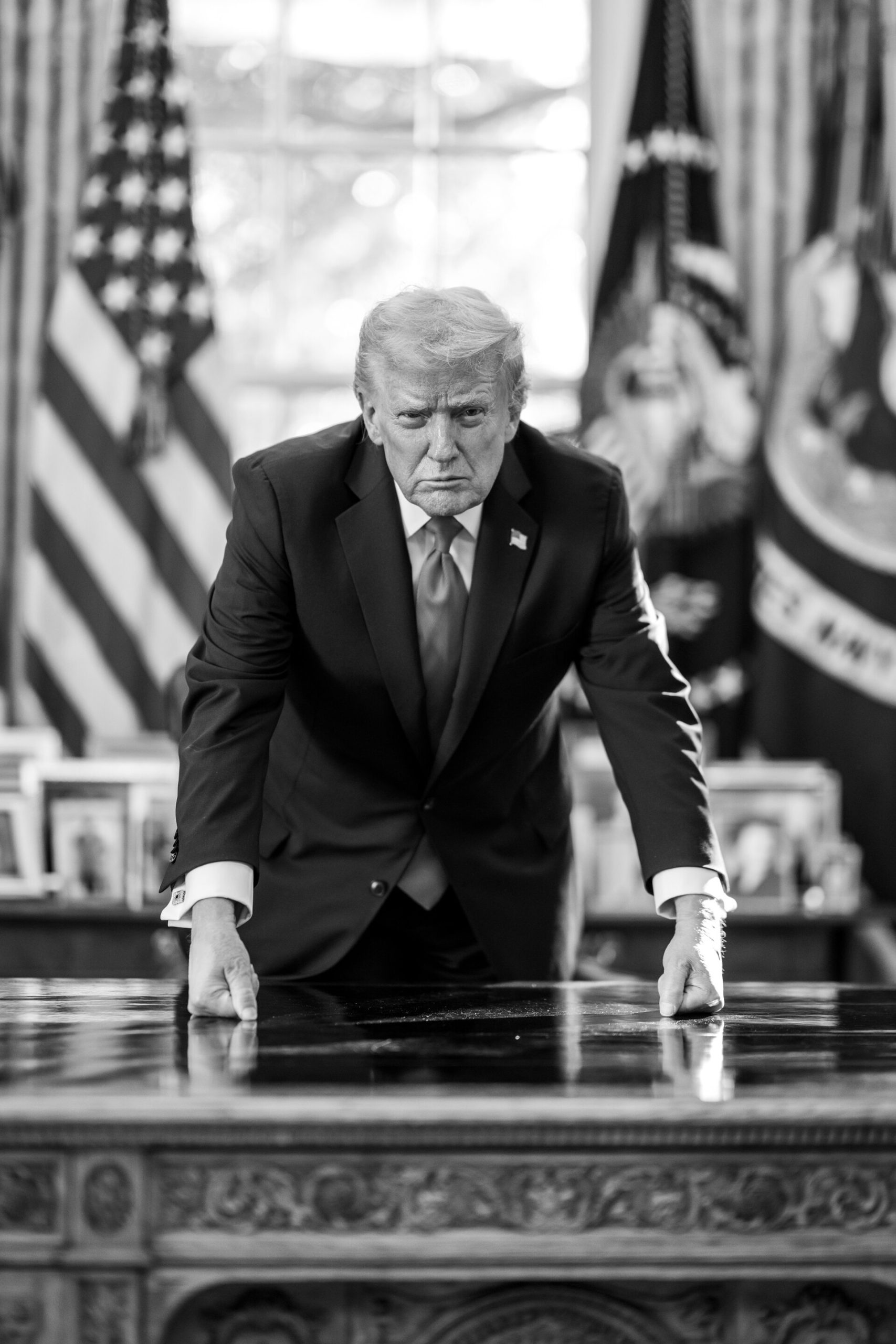
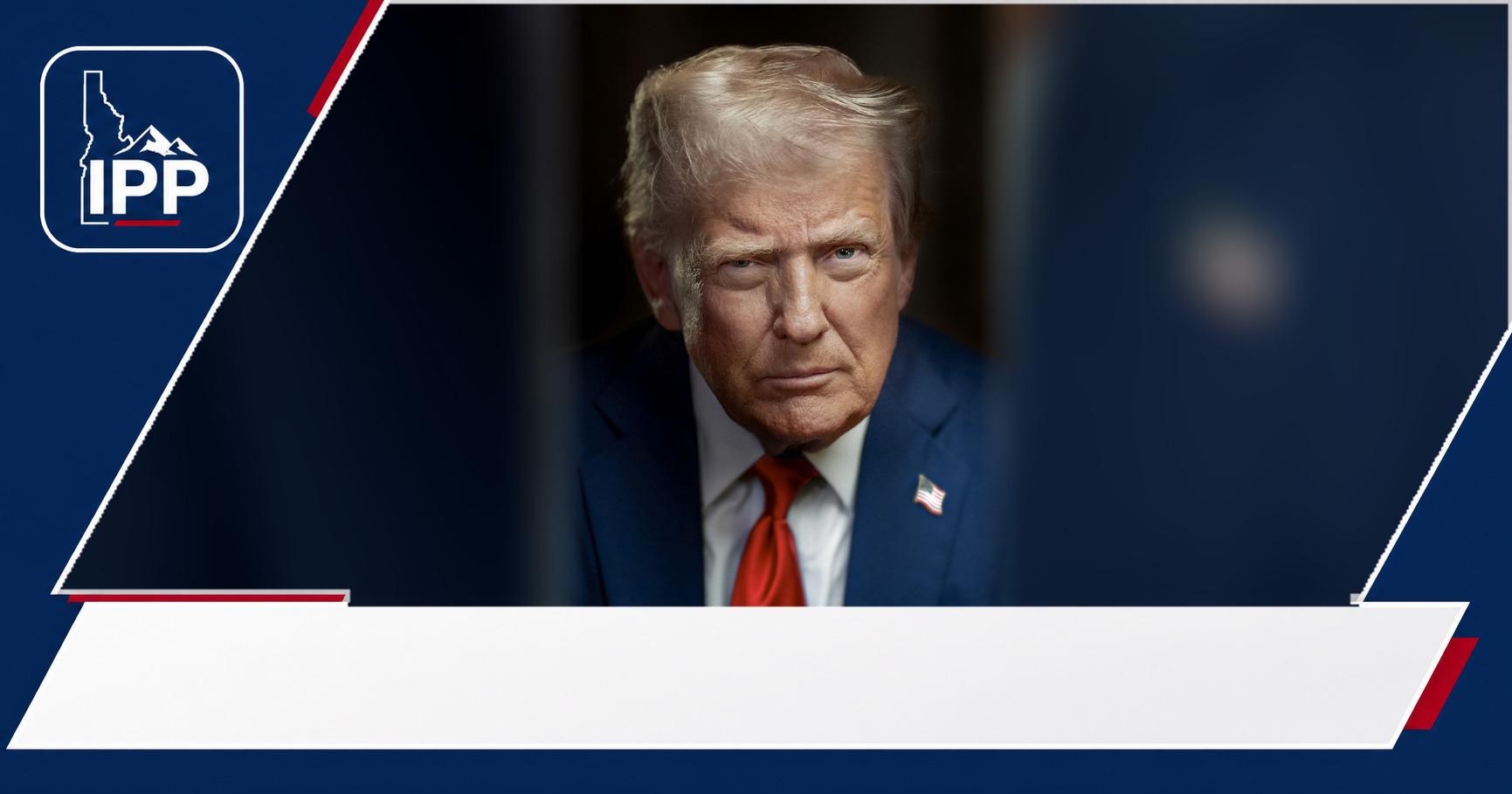
Donald Trump has been accused of using National Park Service fees for vanity projects after 11 senators said the administration redirected at least $67 million in national park entrance fees to work in Washington, D.C. On June 10, 2026, the senators launched an inquiry and demanded answers about projects including ornamental fountains, gold-leaf statue work and renovations around the Lincoln Memorial Reflecting Pool.
The central question is not whether Washington landmarks need upkeep. It is whether money paid by visitors at parks across the country was lawfully and appropriately moved from those parks to projects critics say are linked to Trump’s preferences for the capital.
Eleven senators demand an accounting
Sen. Kirsten Gillibrand, a New York Democrat, announced the inquiry with 10 colleagues in a letter to Interior Secretary Doug Burgum. The group asked the Interior Department to explain where revenue from digital park passes has gone and what share has supported Washington projects rather than maintenance at parks.

The lawmakers framed the issue as a potential loss for individual park sites that depend on fee revenue for basic needs. Their letter did not establish wrongdoing; it requested information as part of an inquiry into what the senators described as possible waste, fraud and abuse.
The signers were Gillibrand, Sens. Adam Schiff, Michael Bennet, Martin Heinrich, John Hickenlooper, Angus King, Ben Ray Luján, Edward Markey, Jeff Merkley, Jack Reed and Ron Wyden. King is an independent who caucuses with Democrats; the others are Democrats.
What the $67 million allegation covers
According to Gillibrand’s announcement, reporting indicated that at least $67 million in entrance-fee revenue had been reallocated for Washington work. The projects cited included repairs to ornamental fountains, gold leaf on statues and renovation of the Reflecting Pool by the Lincoln Memorial.
The phrase vanity projects is the senators’ characterization, not an established official finding. Their argument is that the projects serve the president’s preferred presentation of Washington while parks elsewhere face costly backlogs in roads, water systems and visitor facilities.
They also raised concerns about transparency and said some of the projects were awarded through no-bid contracts. The available material does not provide the full contract records, the legal rationale for every award or a response from the Interior Department to the senators’ letter.
Park fees have a local purpose
The dispute turns on the Federal Lands Recreation Enhancement Act, the statute governing many recreation fees collected at federal sites. Under the senators’ description of the law, at least 80% of recreation-fee revenue must be spent at the park where it was collected for upkeep and maintenance.
The remaining 20% is available to the agency that collected it for agency-wide use. That split creates the heart of the argument: Interior may have some flexibility over a portion of revenue, but critics want to know whether the amount moved and the projects selected fit that authority.
For visitors, the policy is tangible. Entrance fees can help pay for worn pavement, aging restrooms, water lines, trail work, campgrounds and other infrastructure. A fee paid at one site is often understood by the public as support for that site, even when federal rules allow a portion to be pooled.
Why the Washington projects draw fire
Maintenance of national memorials and federal landscapes is a normal government function, and the administration could argue that prominent Washington sites also serve millions of visitors and require investment. Restoring fountains or the Reflecting Pool is not inherently outside the mission of preserving public assets.
The senators’ objection is about priorities, funding source and process. They contend that directing park fees toward visually prominent capital projects, particularly ones they associate with Trump’s personal taste, risks draining resources from parks with less visibility but pressing safety and maintenance needs.
That distinction matters because a repair project can be defensible on its own merits while still provoking questions about whether it should be paid for with fees collected at distant parks. The criticism is also sharpened by the allegation that no-bid contracts were used, since limited competition can make it harder for the public to assess cost and value.
Claims still need documentation
The senators’ press release lays out serious allegations, but it is also advocacy from members of Congress who oppose the administration. Their request for records is not the same as an investigative finding, a court ruling or an admission by the Trump administration.
Several details remain unresolved: how much fee revenue ultimately went to each project; whether the money came from the agency-wide share or funds otherwise designated for individual parks; what statutory authority Interior relied upon; and whether standard contracting rules were followed.
A complete answer would require budget documents, project-level spending records and an explanation from the Interior Department. Without those, the public can see the senators’ claimed total and concerns, but cannot independently determine from the available information whether every transfer violated the fee law or agency policy.
The stakes extend beyond Washington
The inquiry puts a spotlight on an easy-to-miss part of federal budgeting: visitor fees are not just a line on a receipt. They can shape which facilities get repaired, which projects wait and how much trust visitors place in the promise that their money supports public lands.
Gillibrand and her colleagues are seeking a detailed accounting from Burgum. The administration’s response, if it provides one, will determine whether this develops into a broader oversight fight over National Park Service funding or remains a dispute over a limited set of Washington projects.
For now, the confirmed development is congressional scrutiny. The larger allegation—that Trump’s administration improperly used National Park Service money as a funding stream for personal or political display—remains contested and dependent on records the senators have requested.



Leave a Reply