
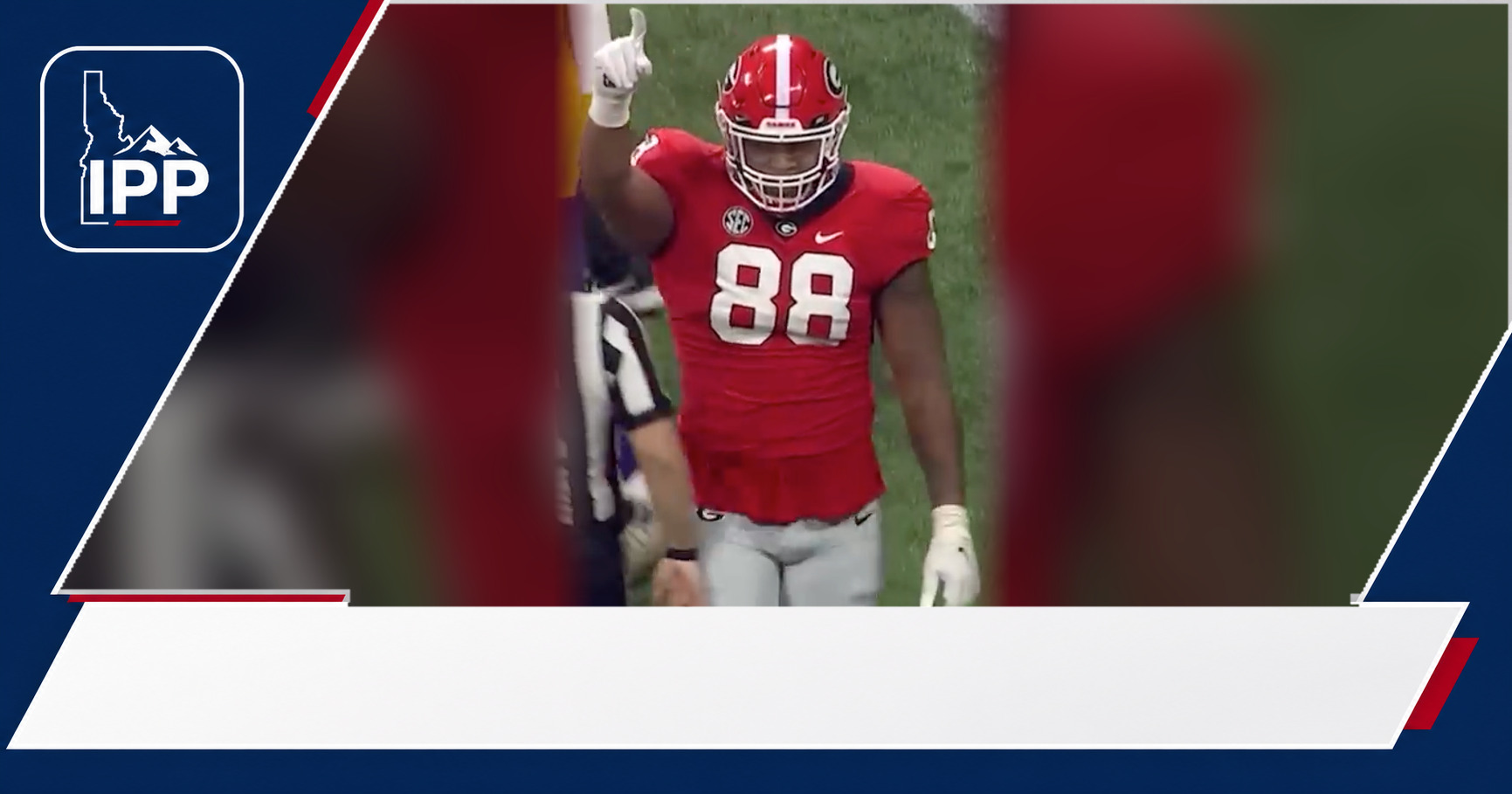
The deal rewards Carter’s rare disruption, but it also changes the terms of his job. Philadelphia is paying for a player who must anchor a championship defense, not merely flash like a future star.
Jalen Carter signed a record contract extension with the Philadelphia Eagles on Tuesday, July 28, 2026, in a 4-year, $152 million deal with $106 million guaranteed. The contract made Jalen Carter the highest-paid defensive tackle in NFL history and turns Carter’s record contract into a new measuring stick in Philadelphia.
This article explains how Carter’s new deal creates championship-level expectations for him and the Eagles. Philadelphia is no longer paying mainly for promise. It is paying for a defensive tackle expected to tilt games, stay available and become the kind of interior force that defines a title contender.
The Eagles paid for dominance
USA TODAY reported that Carter and the Eagles agreed to the four-year extension, citing a person with knowledge of the deal. CBS Philadelphia reported that the agreement runs through 2031 and makes Carter the highest-paid defensive tackle in league history.
The size matters because of what it says about Philadelphia’s internal view of Carter. Defensive tackles rarely become the face of a payroll unless a team believes they can wreck the pocket without needing a perfect blitz call, a perfect coverage shell or help from the edges.
Carter has already shown that kind of ceiling. He is a two-time Pro Bowl selection, was an All-Pro in 2024, and has posted 13.5 sacks and 25 tackles for loss over his first three NFL seasons, according to USA TODAY.
The Eagles are betting that those numbers are not the peak. They are betting they bought the next stage before the market gets even more expensive.
A record that moved fast
Carter’s deal did not simply edge past the defensive tackle market. It reset it quickly.
USA TODAY noted that Jeffery Simmons had set the previous average annual value record for a defensive tackle in June with a three-year, $105.8 million extension from the Tennessee Titans. Carter’s four-year, $152 million pact pushes the top of the position into a different bracket.
CBS Philadelphia also reported, citing ESPN’s Adam Schefter, that the contract could be worth up to $160 million. The guaranteed figure — $106 million — is the clearest sign of how aggressively Philadelphia wanted to secure him.
That timing is important. Carter still had two years remaining on his rookie contract after the Eagles exercised his fifth-year option in April, according to USA TODAY. Philadelphia did not have to do this now. The choice to act early suggests the Eagles preferred certainty over waiting for another season of price escalation.
Why the pressure changes now
Before this extension, Carter could be described as a rising star with room to grow. After it, he becomes one of the players who sets the floor for the franchise.
That is the difference between being talented and being foundational. A highly drafted young lineman can win with flashes. A record-paid defensive tackle is expected to be the problem an offense must solve every week.
For Carter, that means disruption has to become routine. Double-teams cannot be an explanation for quiet afternoons as much as they are evidence of his value. Injuries cannot erase his influence from the defense. Big moments will be judged differently because his contract makes him one of the central answers to Philadelphia’s biggest question: can this roster defend well enough to chase championships?
That is not unfair by NFL standards. It is the bargain. The Eagles gave Carter security that few defensive players ever receive. In return, the expectations are no longer developmental.
The context is not spotless
The case for Carter is easy to see, but it is not uncomplicated.
CBS Philadelphia reported that he made his second straight Pro Bowl last season despite playing just 11 games because of shoulder and heel injuries. The outlet credited him with three sacks and 41 pressures in his third season, while noting he was often double- and triple-teamed.
USA TODAY reported that Carter played through issues with both shoulders in 2025 before undergoing a procedure in December. Availability is now part of the story. A player with this kind of deal does not need to be indestructible, but the Eagles will need him present and impactful deep into the season, not merely dominant in snapshots.
There is also the discipline piece. Carter was ejected from the 2025 season opener against the Dallas Cowboys and fined $57,222 for spitting on quarterback Dak Prescott, according to USA TODAY. CBS Philadelphia reported that he avoided further discipline, but the incident remains part of the broader assessment of a player now being paid to lead a defense.
Philadelphia doubled down inside
Carter’s extension also fits a larger Eagles pattern. Philadelphia has invested heavily in the interior of its defensive front, not just in Carter.
USA TODAY reported that fellow defensive tackle Jordan Davis agreed in March to a three-year, $78 million deal. Like Carter, Davis came from Georgia, and CBS Philadelphia noted that the Eagles originally moved up in the 2023 NFL Draft to select Carter out of the University of Georgia.
The message is clear: Philadelphia wants its defense built from the middle out. Edge rushers get more attention, and cornerbacks often become the public face of pass defense, but an elite defensive tackle can ruin the timing of an entire offense before routes even develop.
That is why Carter’s contract is not just about one player’s résumé. It is a roster-building statement. The Eagles are choosing to pour premium money into the trenches because they believe that is still where championship football gets shaped.
What must happen next
The first test is not whether Carter can justify every dollar immediately. NFL contracts are bigger and more complicated than one season’s stat line. The real test is whether his weekly impact matches the way opponents already treat him.
If Carter is commanding extra blockers, freeing teammates and collapsing pockets even when sacks do not arrive, the Eagles will accept that as star-level value. If he becomes a full-season, high-pressure interior defender who pairs production with discipline, the deal could look less like a gamble and more like a preemptive strike on a rising market.
The harder scenario is obvious. If injuries linger, if production stalls, or if avoidable incidents keep resurfacing, the same contract that signals belief will become the lens through which every quiet game is scrutinized.
That is the championship-level expectation now attached to Carter in Philadelphia. The Eagles did not merely reward a disruptive young defensive tackle. They paid him as if he is one of the players who can define whether this era of the franchise ends with serious postseason runs or with a very expensive defense still searching for its centerpiece.








Leave a Reply