
The claim has circulated as a blunt political confrontation, but the available source material does not establish where it occurred or who was involved. Here is what can be confirmed, what cannot, and why that distinction matters.
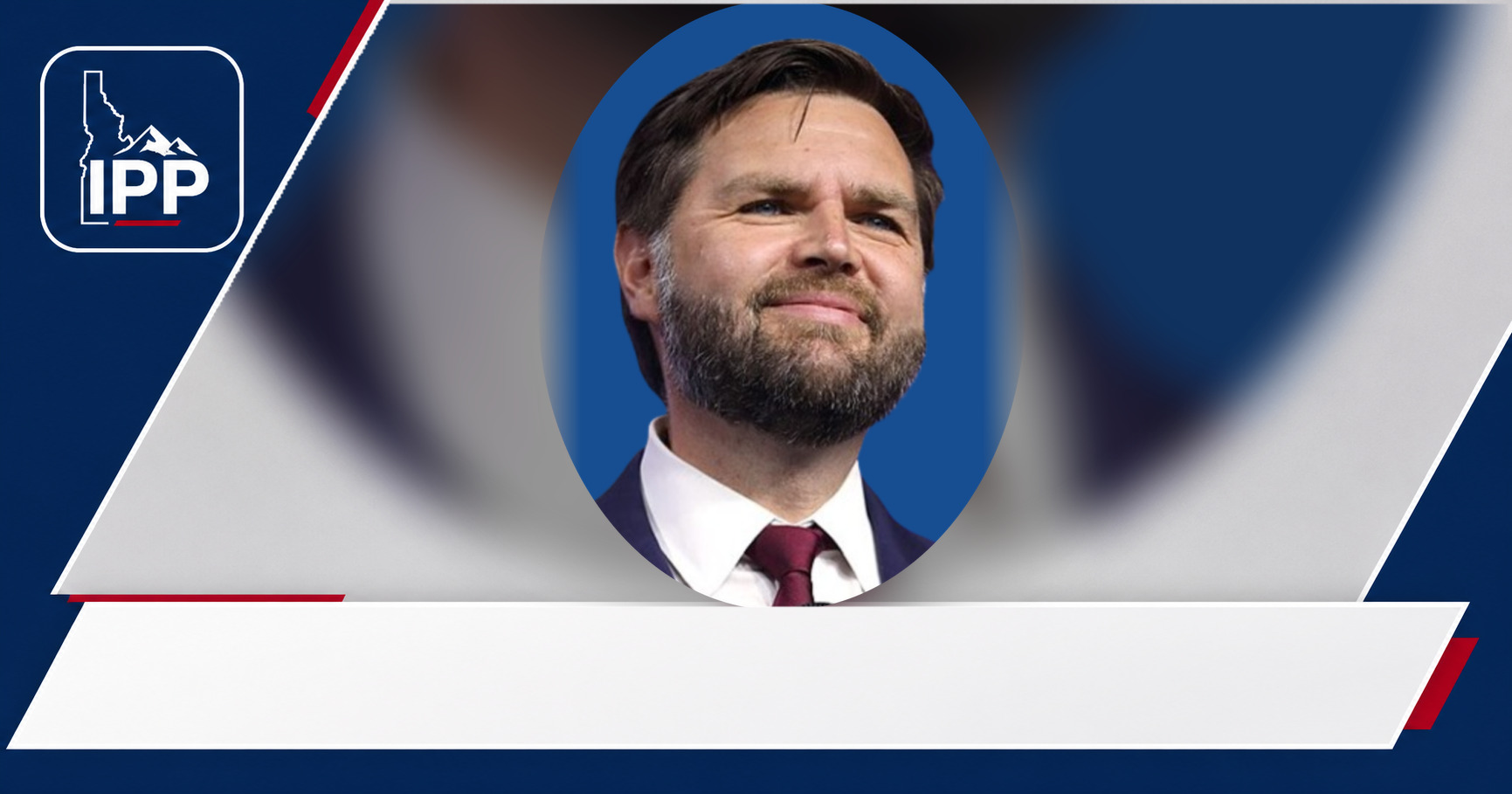
Angry neighbours reportedly told JD Vance to “go back where he came from,” publicly criticizing the vice president in a confrontation described in the available headline. But no location, date, video, named witness, account of the exchange or statement from JD Vance’s office is included in the source material provided for the claim.
That leaves the central allegation unverified. The phrase is politically charged, and it may point to a real encounter, a protest, a dispute involving Vance’s residence, or an account stripped of crucial context. Until independent reporting establishes the basics, it should be treated as an unconfirmed report rather than a settled account of what happened.
What the available report says
The sole item directly tied to the alleged confrontation is a headline: “Angry neighbours tell JD Vance to ‘go back where he came from.’” It identifies Vance and describes hostile remarks from neighbours, but it does not say where the interaction took place or when it happened.
It also does not identify the people who allegedly made the remark, explain whether they were Vance’s immediate neighbours, describe what prompted the exchange, or indicate whether it happened in person, online or at a public event.
Those omissions matter. A headline can signal a story worth investigating, but it cannot on its own establish the circumstances, the wording used, the size of any gathering or whether a brief confrontation represented a broader local dispute.
The missing facts are substantial
For a confrontation involving a sitting vice president, the minimum questions are straightforward: Where did it happen? When did it happen? Who recorded or witnessed it? Was law enforcement present? Did Vance or his representatives respond?
None of those answers appears in the material available here. There is no supporting video, transcript, police report, local-news report, social-media post with a verifiable origin, or named source that could independently confirm the claim.
There is also no evidence establishing what “go back where he came from” meant in context. The phrase could be intended as a political rebuke, a reference to Vance’s public role, or something else entirely. Assigning a motive without the surrounding facts would go beyond the evidence.
- Confirmed: JD Vance is the vice president of the United States.
- Reported but unverified: Neighbours told him to “go back where he came from.”
- Unknown: The location, date, participants, trigger for the dispute and Vance’s response.
Why Vance makes this a big claim
Vance is not a private citizen caught in an ordinary neighbourhood disagreement. He is a nationally prominent Republican and the second-highest-ranking official in the federal government, making any claimed confrontation around him instantly politically consequential.
The White House biography says Vance was born and raised in Middletown, Ohio. It says he later served in the Marine Corps, attended Ohio State University and Yale Law School, represented Ohio in the U.S. Senate after his 2022 election, and became President Donald Trump’s running mate in 2024.
That biography provides important context for the phrase used in the headline. Vance is from Ohio, so a literal reading that he should leave the country would not fit the known facts. But without context, it is impossible to know whether the reported remark was aimed at his political identity, his place of residence, his travel, or some other issue.
Political rhetoric often turns an isolated exchange into a symbol of a much larger divide. That is precisely why an inflammatory line needs more verification, not less, before it is presented as a clear account of events.
Political conflict travels fast
Vance has become one of the most closely watched figures in the Trump administration. The BBC has described his path from author of Hillbilly Elegy and former Ohio senator to vice president, as well as his prominence within the Republican Party and its America First wing.
Supporters see Vance as an unusually direct advocate for border enforcement, domestic manufacturing and a more confrontational approach to U.S. foreign policy. Critics see him as a powerful messenger for policies and rhetoric they oppose. A reported clash with neighbours can therefore spread far beyond its original setting, even before its facts are established.
There are fair but competing interpretations of the headline. Some readers may regard it as evidence of local anger toward a national political figure. Others may see it as an example of a sensational claim that lacks enough detail to judge. The evidence currently available does not resolve that disagreement.
What credible confirmation would look like
Independent reporting could clarify the allegation quickly if a confrontation occurred. Useful confirmation would include a verified recording with a date and location, on-the-record witnesses, reporting from a local outlet, a statement from Vance’s office or an official record if authorities were called.
It would also help to know whether the people involved actually lived near Vance, whether the incident was connected to a protest or private gathering, and whether the quoted phrase was accurately reported in full.
Absent those details, readers should be cautious about sharing the claim as fact. The underlying headline may describe a real moment of political friction, but the current record does not provide enough information to verify its central particulars.
The takeaway is verification, not spin
The reported line directed at JD Vance is designed to provoke a strong reaction. Its lack of supporting detail is just as significant as its wording.
What is established is Vance’s role as vice president and his roots in Middletown, Ohio. What remains unestablished is the alleged encounter itself: who said the words, where they said them, why they said them and what happened afterward.
Until those questions are answered with independently checkable evidence, the most accurate description is simple: an unverified report alleges that angry neighbours confronted JD Vance. It is not yet a fully documented local-news event.








Leave a Reply