
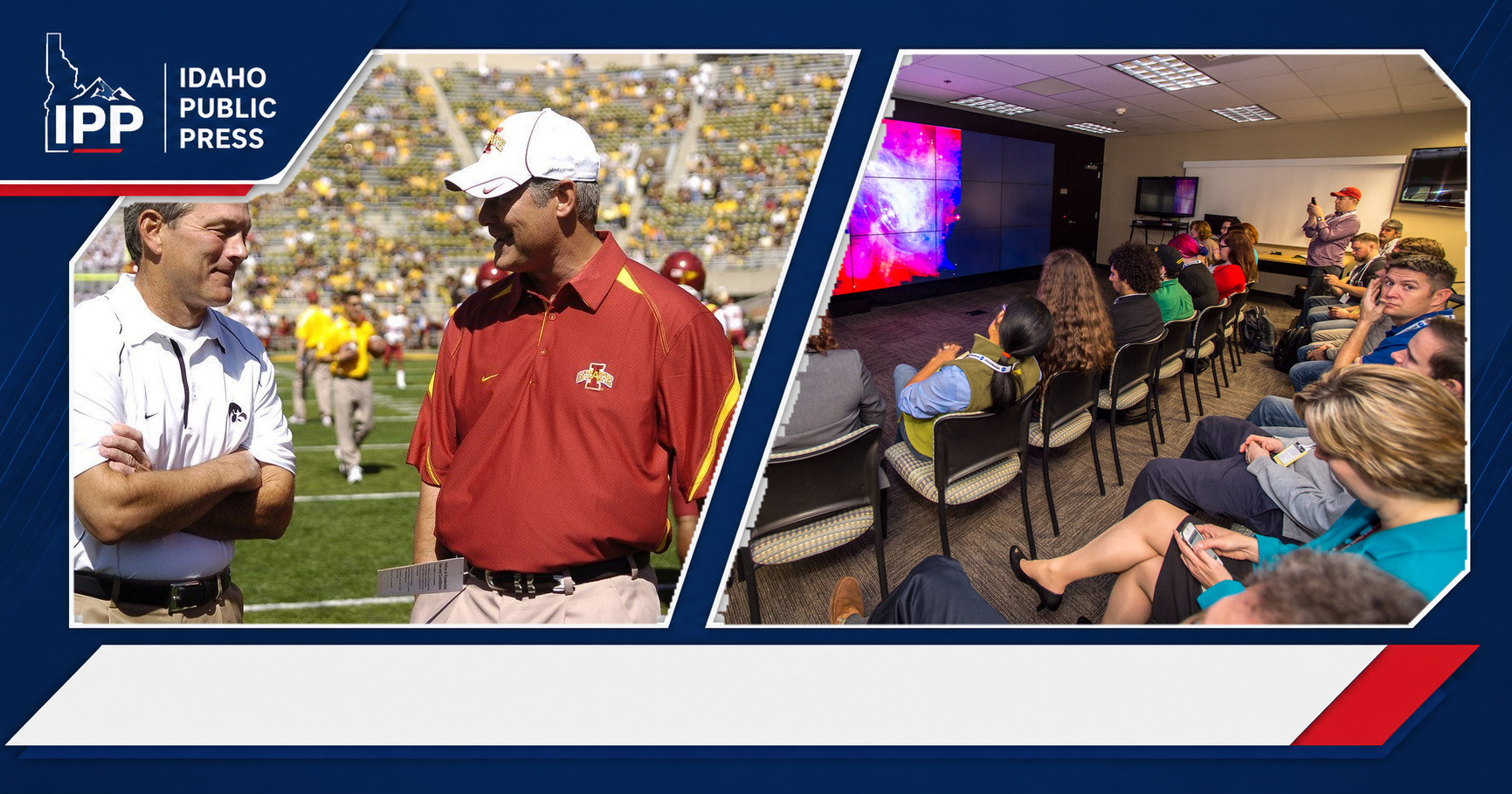
The punchline was light, but the staffing move says plenty about Iowa’s priorities. Ferentz is betting that Moore’s decades of NFL and college experience can help sharpen the Hawkeyes’ offense.
Kirk Ferentz cracked a joke about his own age while talking about Tom Moore’s hire on Tuesday, July 28, 2026, as Iowa football prepares for Ferentz’s 28th season in Iowa City, Iowa. Iowa hired veteran assistant Tom Moore on May 12, 2026, in a move updated May 13, 2026, adding an 87-year-old Hawkeyes alumnus with more than 60 years in coaching and more than 30 years as an NFL offensive coordinator.
The joke — that Ferentz wanted someone in the building older than him — was funny because it was true enough to reveal Iowa’s bet. Moore joins the Iowa coaching staff not as a splash hire, but as a source of offensive clarity for a program still trying to sharpen that side of the ball.
The joke had a point
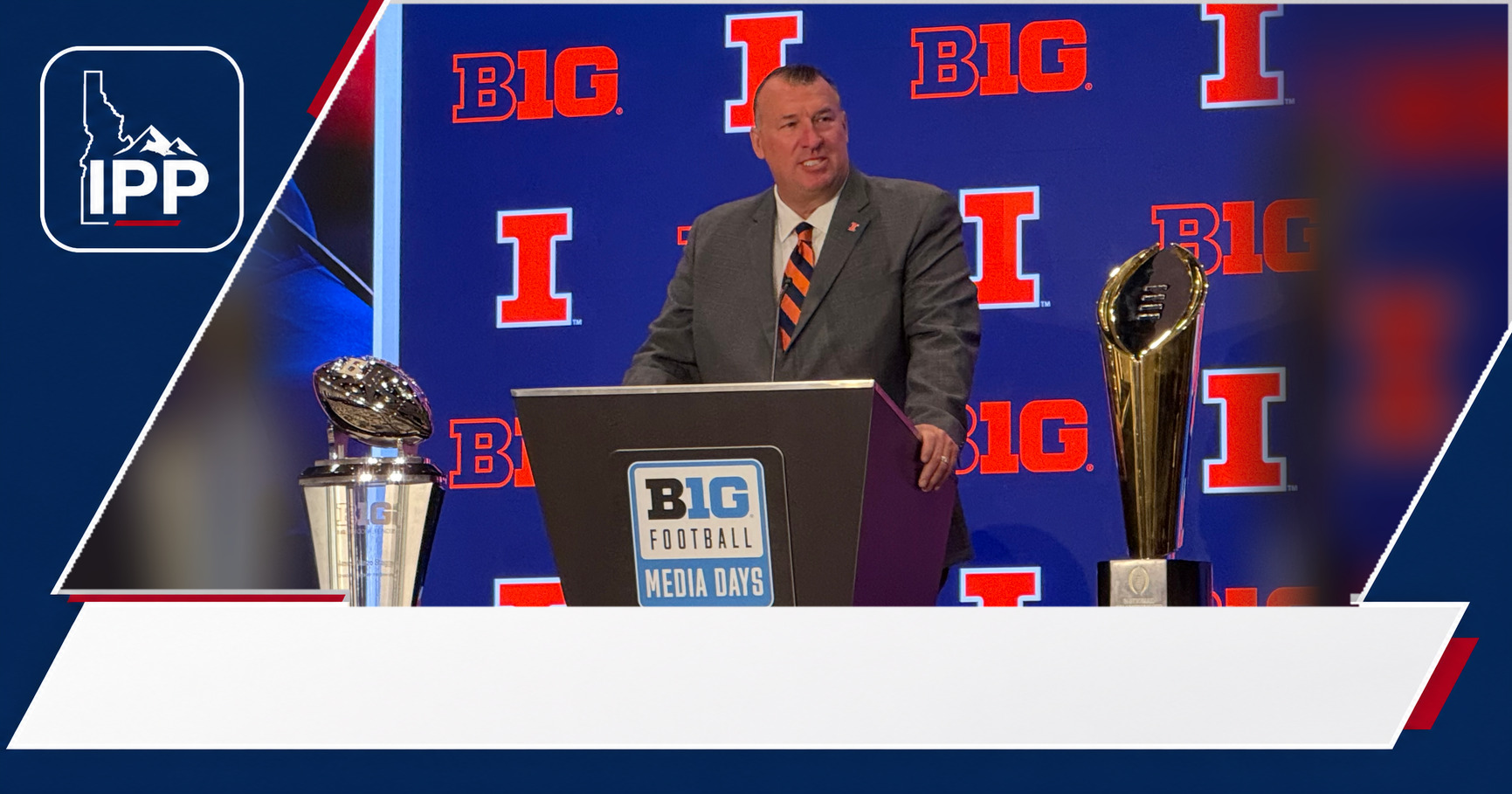
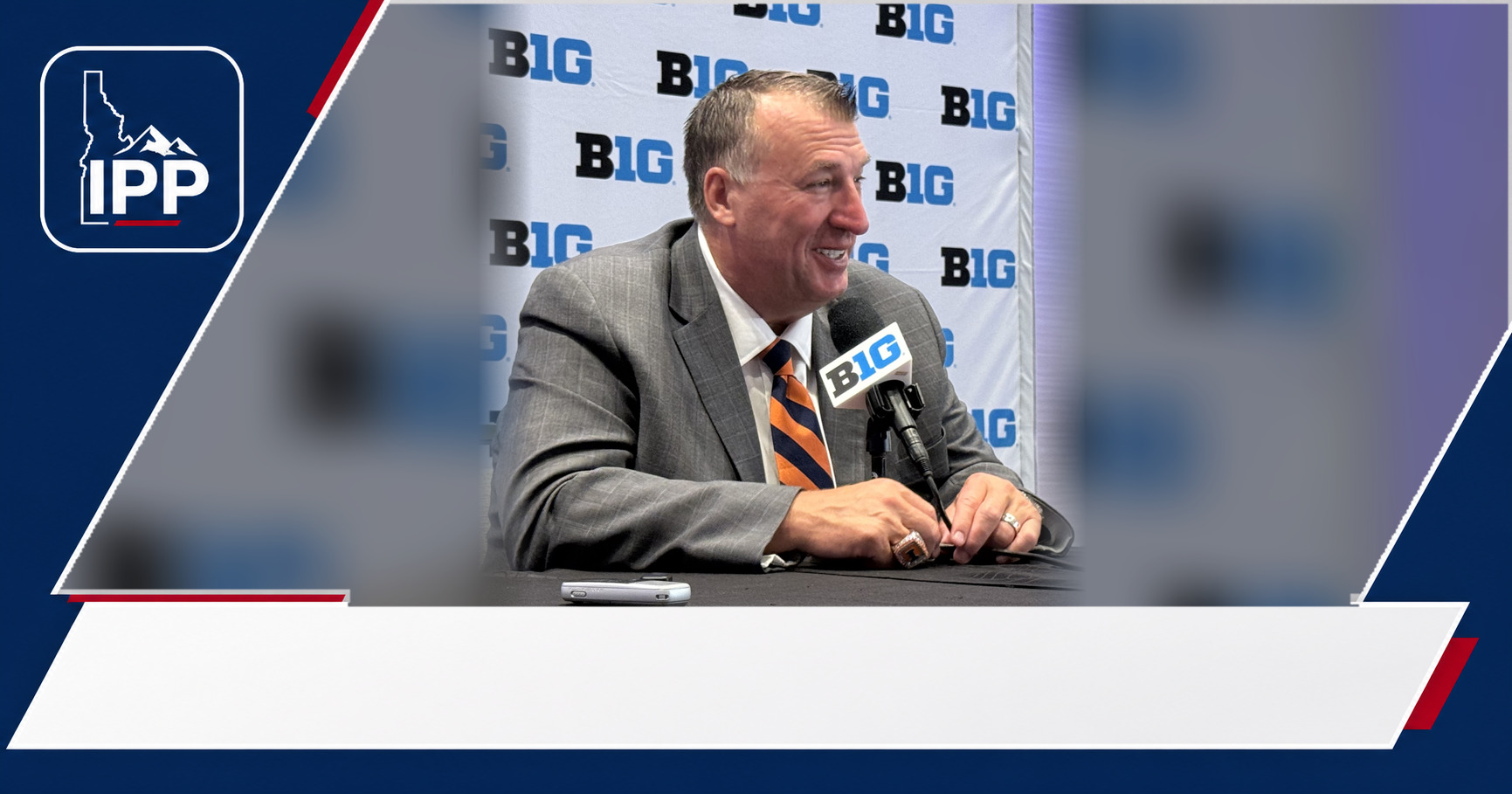
Ferentz, the longest-tenured head coach in the FBS entering the 2026 season, rarely needs help sounding like the adult in the room. Yet when asked at Big Ten Media Days what Moore brings to Iowa, he leaned into the one thing Moore has even more of than he does: time in the game.
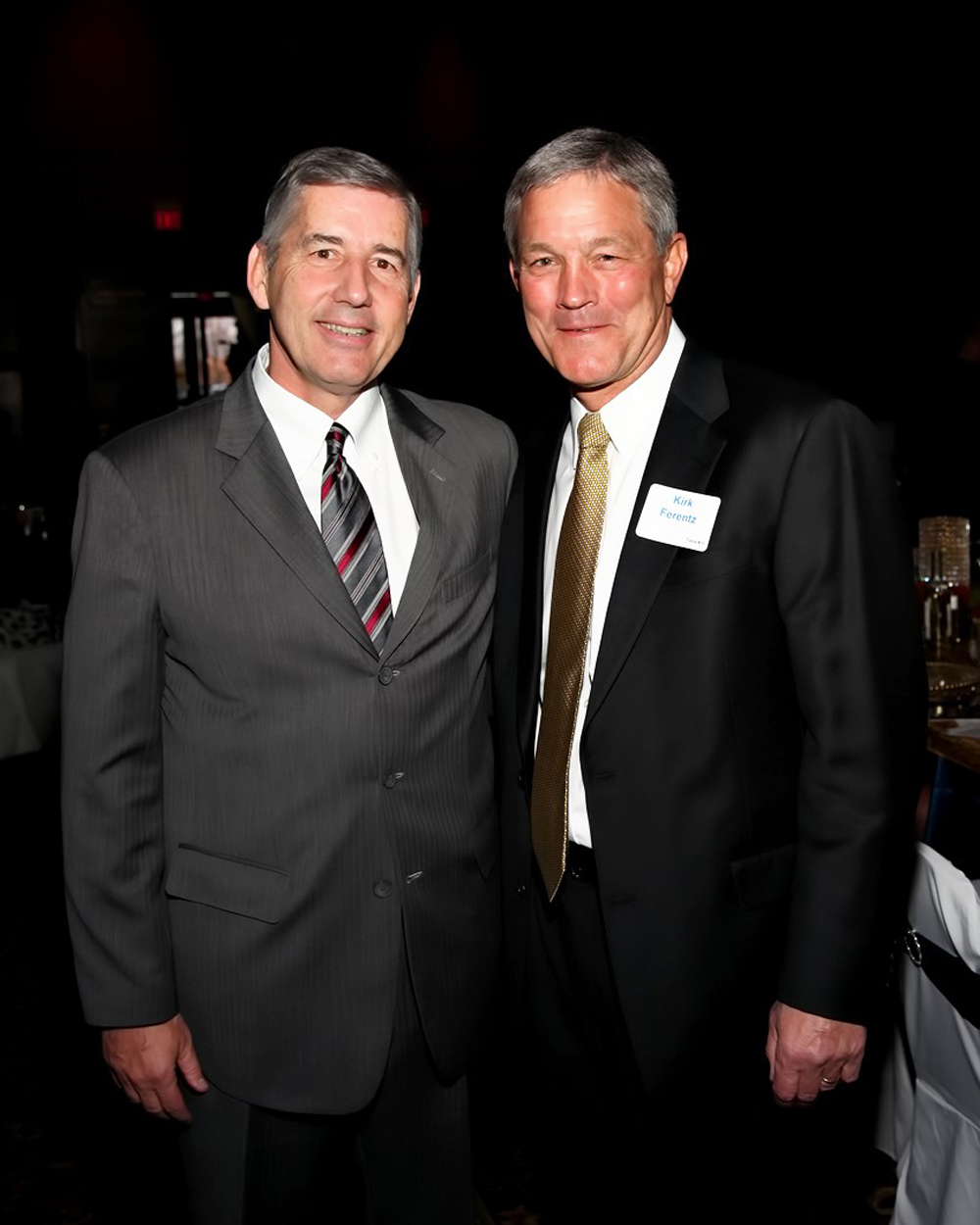
According to College Sports Wire, Ferentz praised Moore’s “wisdom and experience” and said those qualities are hard to price. Then came the punchline: “Plus, I want to get someone in the building older than me.” Ferentz, who turns 71 on Saturday, was talking about an 87-year-old assistant whose career stretches across eras of football most current players know only from documentaries.
That line plays well because Ferentz has made longevity part of his brand at Iowa. The bigger story is that the Hawkeyes are deliberately adding another voice from football’s deep archive at a time when many programs chase youth, pace and recruiting flash.
Why Iowa wanted Moore
Moore’s official role, as reported by Hawkeyes Wire when the hire was announced in May, is senior consultant to the head coach and offensive advisor. That title matters. Iowa is not asking Moore to be the public face of a rebuild or the daily architect of the entire offense. The job suggests a quieter assignment: evaluate, advise, simplify and help coaches and players see what matters.
Ferentz described Moore as someone who can “cut to concise points that really matter,” a skill that can be more valuable inside a football facility than any slogan about innovation. College offenses are crowded with terminology, personnel packages and week-to-week adjustments. A coach who can strip noise out of a plan can affect preparation without calling every play.
That is the practical appeal for Iowa. Moore’s presence gives Ferentz and offensive coordinator Tim Lester another experienced set of eyes as the Hawkeyes try to keep moving forward offensively. The source report noted Iowa has taken some small steps on offense in the past two seasons under Lester, but the program’s identity still depends heavily on efficiency, discipline and avoiding self-inflicted damage.
A rare football résumé
Moore is not simply an older coach with a familiar name. He is an Iowa alumnus whose coaching career dates back more than 60 years, and his NFL résumé is the kind that gives a consultant title real weight.
His best-known run came with the Indianapolis Colts, where he served as offensive coordinator from 1998 through 2009 and helped develop Peyton Manning, who later became a Hall of Fame quarterback. That stretch is central to why Moore still carries credibility: the Colts’ offense was not just productive, it was defined by command, timing and quarterback-driven precision.
For Iowa, the relevant parts of Moore’s background are easy to identify:
- He is an 87-year-old Hawkeye alumnus returning to a familiar program.
- He has more than six decades of coaching experience.
- He spent more than 30 years as an NFL offensive coordinator.
- He worked closely with one of the most accomplished quarterbacks in modern football.
- He is expected to advise, not necessarily overhaul, Iowa’s offensive operation.
None of that guarantees instant production. But it explains why Ferentz framed Moore’s addition around judgment rather than novelty.
Ferentz’s tenure shapes everything
Ferentz entering his 28th season at Iowa is not just a biographical note. It shapes how the program makes decisions, how outsiders interpret those decisions and how much patience the fan base has for incremental changes.
Under Ferentz, Iowa has been defined by stability. College Sports Wire noted the Hawkeyes have not had a losing season under him since 2012 and have finished ranked in the top 25 in six of the past eight seasons. In the churn of modern college football, that is a real achievement.
The tension is that stability can be read two ways. Supporters see a program that knows exactly what it is and resists panic. Critics see a program that can be slow to adapt, especially on offense. The Moore hire lands right in the middle of that debate.
If Moore helps Iowa become cleaner, more decisive and more efficient, the move will look like a veteran coach using his network wisely. If the offense stalls, the hire could be viewed as another sign that Iowa leaned backward when it needed a more dramatic push forward.
Experience versus reinvention
There is a fair argument for Iowa’s approach. Not every improvement in football comes from a new system or a younger voice. Sometimes the difference is better sequencing, clearer teaching, smarter situational planning or a veteran coach who can spot a tendency before it becomes a problem on Saturdays.
Moore’s history with Manning is relevant here, but it can also be overstated. Iowa is not importing the late-1990s Colts offense. College football in 2026 operates under different roster rules, different defensive looks and a different week-to-week pressure cycle. Moore’s value is less about copying an old playbook and more about applying old lessons to new constraints.
That is where the hire becomes interesting rather than merely nostalgic. Ferentz is not pretending to be the sport’s young disruptor. He is doubling down on a belief that football clarity travels across generations.
The unanswered question is how much influence Moore will actually have. Consultant and advisor roles can range from central sounding board to occasional voice in the room. Iowa’s offense will still be judged by the decisions made on game day and the development that happens between Saturdays.
What Iowa still has to prove
Ferentz’s joke gave the Moore hire a memorable hook, but Iowa’s season will decide whether it becomes more than a charming media-day moment. The Hawkeyes do not need Moore to be a miracle worker. They need his perspective to translate into sharper offensive habits.
That could show up in subtle ways: fewer wasted possessions, cleaner quarterback reads, better red-zone calls, more confidence in situational football. Those are not always headline-grabbing changes, but they are the margins Iowa has often lived on under Ferentz.
The move also says something about Ferentz himself. A coach entering Year 28 could easily close ranks and trust only the system he has built. Instead, he brought in someone with even more football mileage and joked about it publicly.
For Iowa, that is the real takeaway. Moore’s age is the punchline. His experience is the reason he is in the building.



Leave a Reply