
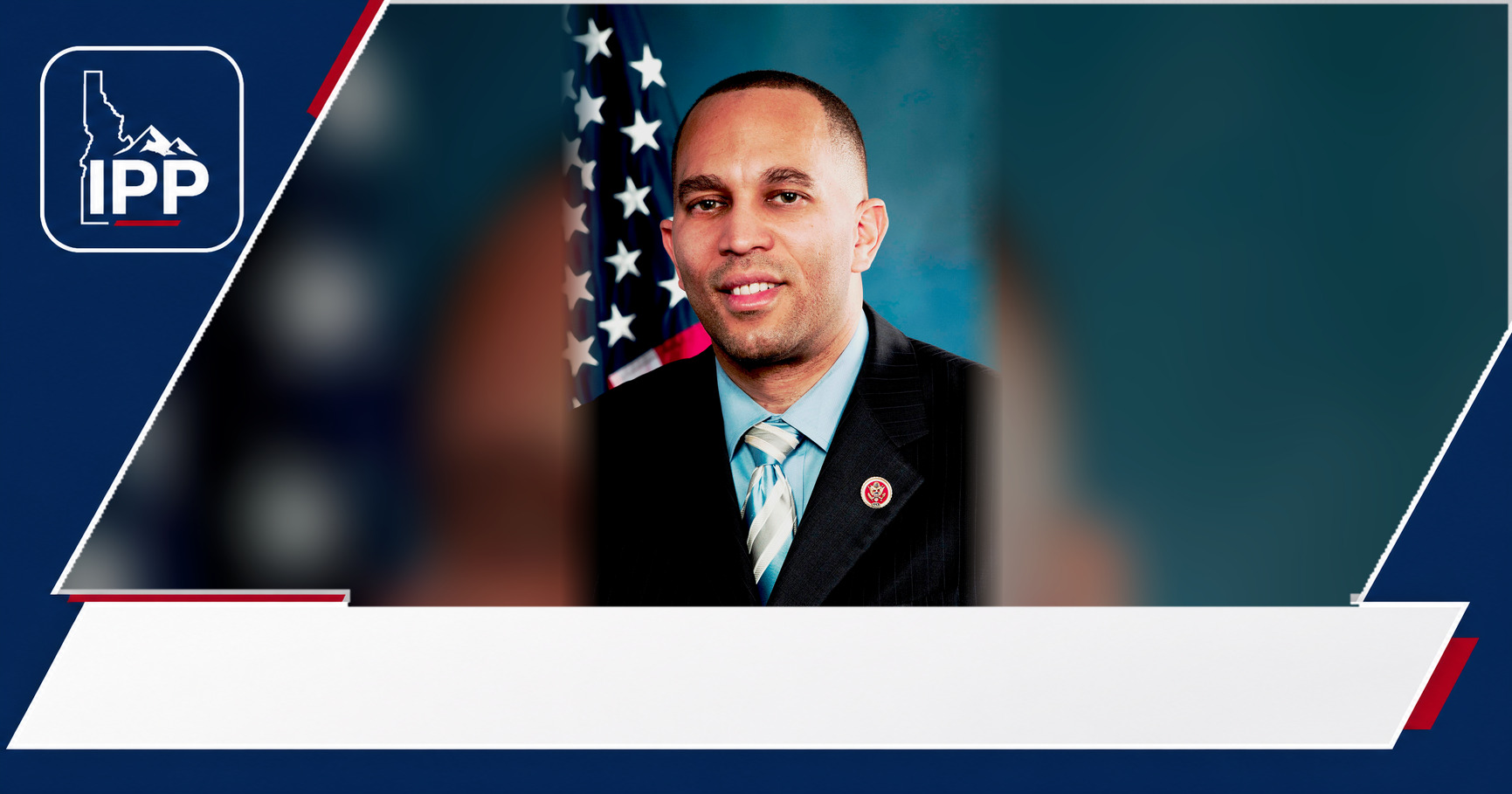
Jeffries’ position puts a clear line between Democratic House leadership and the party’s Medicare for All advocates. The polling conversation is more complicated than a single headline number because support can shift with the policy details voters are given.
Hakeem Jeffries does not currently support the Medicare for All proposal, saying on NBC News that it is not legislation he backs. The comment has revived the debate over Medicare for All just as polls reveal public support that can look strong in broad terms but far less settled once voters weigh coverage, taxes, private insurance and the transition to a new system.
For Democrats, the divide matters now because Medicare for All remains a defining test of how aggressively the party should remake the U.S. health-care system. Jeffries’ stance does not end that argument; it draws a sharper distinction between House Democratic leadership and lawmakers pushing for a vote.
Jeffries draws a clear line
In an NBC News clip published August 16, Jeffries said Medicare for All was not legislation he currently supports. The wording is significant because it is direct while leaving room for support of other efforts to reduce health-care costs or expand coverage.
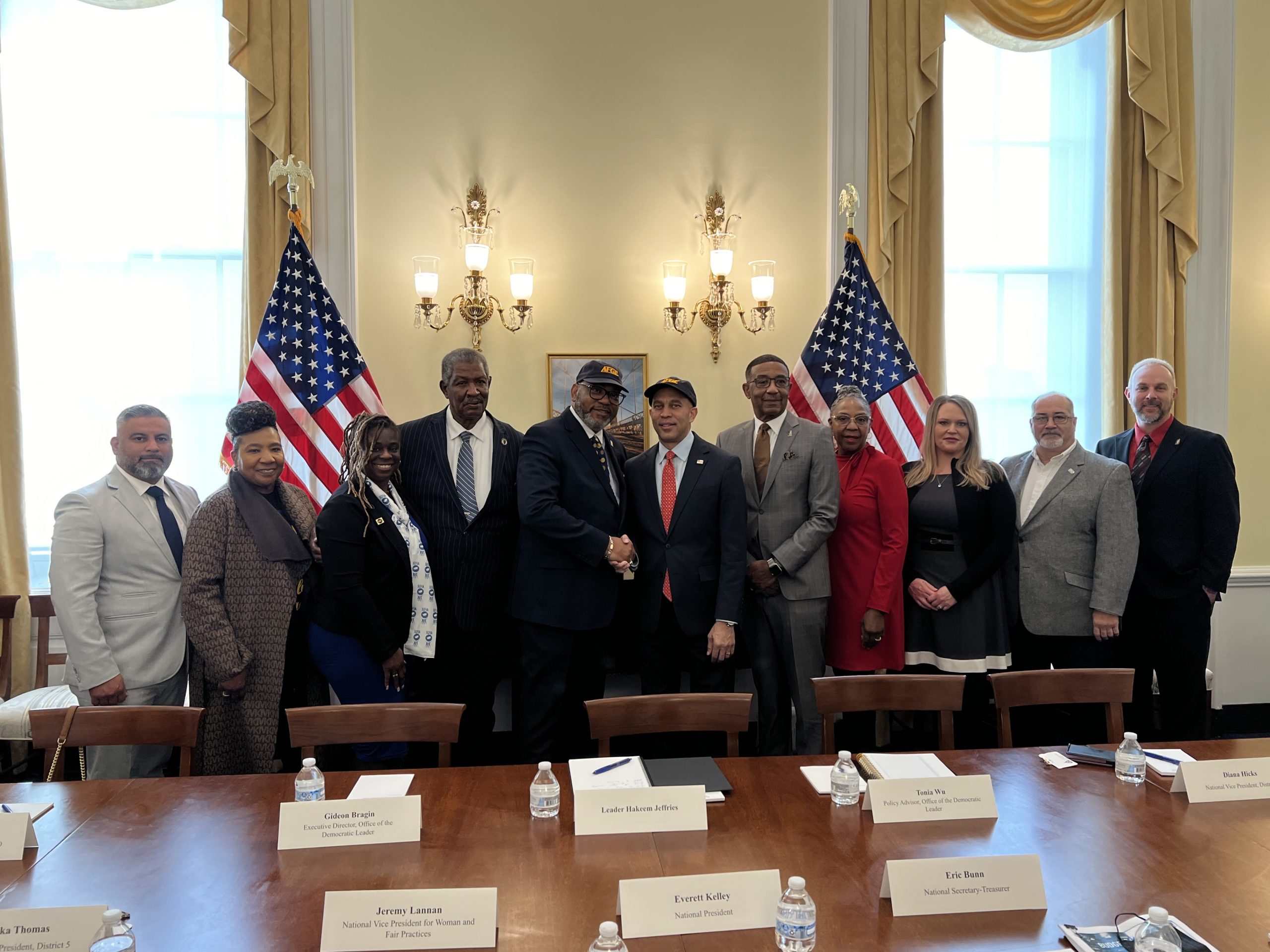
Medicare for All is not simply an expansion of the existing Medicare program. In the versions most associated with its congressional supporters, it would create a national, publicly financed health plan with comprehensive benefits and would substantially displace private insurance.
That scale is exactly why the proposal has remained politically potent and politically difficult. It offers a straightforward answer to the patchwork of insurance coverage, deductibles and medical bills, but it also raises huge questions about financing, coverage rules, provider payments and the future of employer-sponsored plans.
Why a poll number is not enough
Poll results on Medicare for All are often treated as a quick measure of public appetite for the idea. But the topline answer depends heavily on what people are told the policy means.
A survey that describes universal coverage and lower out-of-pocket costs may capture enthusiasm for broader access and simpler insurance. A survey that emphasizes potential tax changes, the elimination of private coverage, disruption to employer plans or uncertainty over costs may measure a different concern.
That does not make polling useless. It means the wording, timing, sample and answer choices are part of the result. A voter can favor making health care more affordable, support a public option, want Medicare benefits expanded and still oppose replacing private insurance with a single national plan.
The research supplied with this report identifies the polling debate but does not include specific pollsters, field dates, methodology or a verified support percentage. That absence matters: no single figure should be presented as a definitive current national verdict on Medicare for All.
Medicare and Medicare for All differ
The familiar name can blur an important distinction. Traditional Medicare is a federal insurance program primarily for people 65 and older and certain younger people with disabilities or qualifying conditions. It operates alongside private insurance, employer coverage, Medicaid and other programs.
Medicare for All, by contrast, is a label generally used for single-payer-style proposals that would enroll far more Americans in a public plan. Specific legislation can differ, but the central political question is whether government-financed coverage should become the dominant or universal system.
Supporters argue that a universal program could reduce administrative complexity, make care less dependent on a person’s job and protect families from insurance gaps. They also argue that the current system leaves too many people uninsured or underinsured even when they technically have coverage.
Critics question whether the federal government could finance and administer such a sweeping shift without major tradeoffs. They point to the potential loss of private-plan choices, uncertainty for hospitals and clinicians, and the political difficulty of moving a health-care sector that accounts for a major share of the economy.
A wider Democratic health-care split
Jeffries’ position reflects a long-running strategic disagreement inside the Democratic coalition. Progressive supporters of Medicare for All see it as a clear moral and policy commitment: health coverage should be guaranteed, not tied to income, employment or a private insurer.
More cautious Democrats have often focused on incremental routes, including strengthening the Affordable Care Act, expanding subsidies, protecting Medicaid and Medicare, negotiating drug prices, or creating a public insurance option that exists alongside private plans.
Those approaches share some goals but not the same endpoint. The split is therefore not always between people who care about coverage and people who do not. It is often a disagreement over pace, cost, government’s role and which plan can survive Congress.
Jeffries’ comments also show the limits of viewing party politics through polling alone. A policy can poll well as an aspiration while its legislative route remains blocked by disagreement among allies, opposition from Republicans and concern among voters about its practical effects.
The legislative path remains steep
A House vote is not the same as a path to enactment. A major Medicare for All bill would need support in the House, Senate and White House, along with answers to difficult implementation questions that opponents and undecided lawmakers would press.
The financing debate would be central. Advocates commonly argue that higher public spending must be weighed against premiums, deductibles, copays and other private costs that households already pay. Opponents argue that the tax and budget implications, even if offset by reduced private spending, would be politically and economically disruptive.
There is also no single transition question. Americans receive coverage through employers, Medicare, Medicaid, Affordable Care Act marketplaces, military and veterans’ systems, and other arrangements. Any national replacement plan would have to define how those systems change and how quickly people move into the new one.
What Jeffries’ answer leaves open
Jeffries said he does not currently support Medicare for All; the available material does not lay out a detailed alternative health-care agenda in the same exchange. It also does not establish whether he would support a particular public-option bill, Medicare expansion or other narrower reforms.
That distinction matters because political debates often turn a rejection of one bill into a rejection of every health-care reform. The available record supports the narrower conclusion: Jeffries has declined to back Medicare for All as legislation.
The larger argument will continue on two tracks. Polling will test how Americans respond to universal coverage in principle and to specific tradeoffs in practice, while lawmakers will decide whether to pursue a full system overhaul or smaller changes within the current framework.
For now, Jeffries’ position makes one point unmistakable: broad interest in affordable, dependable health coverage does not automatically produce consensus on Medicare for All.






Leave a Reply