
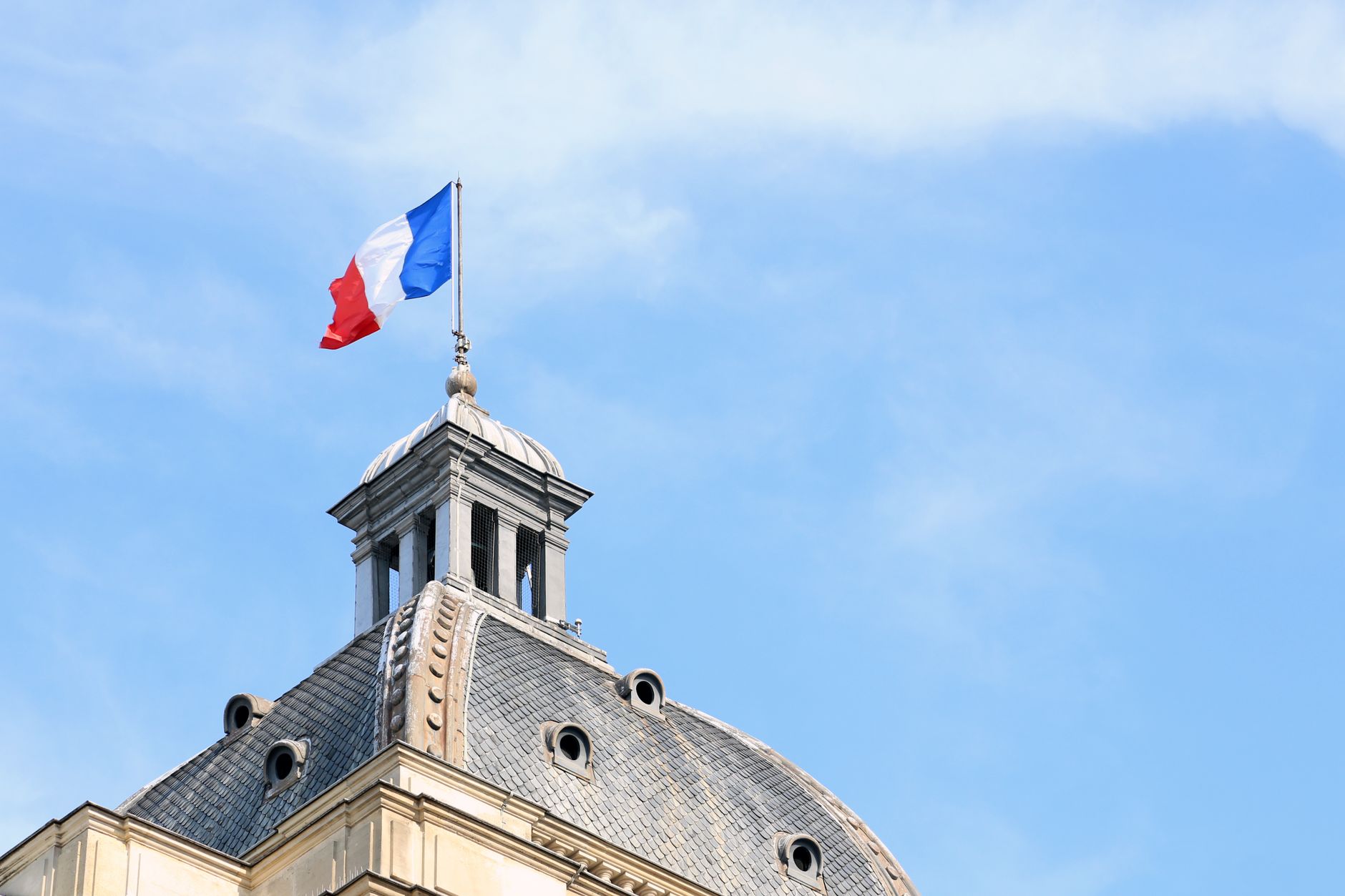
The contrast is not just cultural. It reflects two retirement systems built on very different ideas about who carries the risk of aging.
French retirees age 65 and older now have higher incomes than working-age adults, while many American boomers cannot afford to retire — a sharp France-United States contrast highlighted by recent retirement-income comparisons. By the end of 2022, France’s average direct pension was €1,626 a month, about $1,926, and pension payments rose 2%, underscoring why the article compares retirement income in France and the United States now.
Put another way: 65-year-old retirees in France now have the kind of income security that millions of older Americans are still trying to assemble from Social Security, workplace plans, savings and continued work.
France’s pensioners flipped the script
The striking point in the French data is not that older people are doing well in absolute luxury terms. It is that retirees, as a group, have moved ahead of working-age adults by a key income comparison.

A Financial Times analysis recently summarized the gap this way: French pensioners now have higher incomes than working-age adults when the working-age average is set as the benchmark. That does not mean every retiree is comfortable, or that every worker is struggling. It does mean France has built a system in which retirement income is unusually protected.
France’s pension model relies heavily on mandatory public and occupational schemes. Benefits are not merely the product of whatever an individual managed to save in a brokerage account. They are tied to a social insurance structure that spreads risk across workers, employers and the state.
That design helps explain why a retiree’s monthly income can remain stable even when wages for younger households are squeezed by housing costs, sluggish wage growth or taxes.
The U.S. puts more risk on workers
The American system is built differently. Social Security provides a foundation, but for many middle-class workers it was never meant to cover the full cost of retirement. The rest depends on employer plans, personal savings, investment returns, home equity and health expenses that can change quickly.
The Center for Retirement Research at Boston College has described the problem bluntly: many Americans are stressed about their current and future finances, and one in three baby boomers in a cited survey said they do not think they will ever be able to retire.
That is not simply a story about people failing to save. The center points to structural gaps: more than half of U.S. workers have neither a pension nor a 401(k) in their current job, and private-sector pensions have been shrinking for decades.
For workers without an automatic payroll retirement plan, saving often requires extra paperwork, discipline and spare cash. Lower earners are least likely to have all three.
Why French retirees look stronger
France’s retirees benefit from a more collective system. Mandatory contributions during working years finance benefits for current retirees, and the public pension promise remains central to household planning. That gives many older households a predictable income floor.
There is also a timing issue. Many retirees own homes or have lower housing costs than younger households trying to buy or rent in expensive markets. If pensions rise while working-age wages lag, the relative position of retirees improves.
The end-of-2022 average pension figure — €1,626 a month, or roughly $1,926 — is not a fortune in French cities with high living costs. But it is regular income. For an older person no longer paying child-care costs, commuting costs or a mortgage, that stability can go further than the headline number suggests.
The trade-off is that this income security is financed by workers and employers in a country already wrestling with debt, taxes and aging demographics.
America’s boomers face uneven exits
In the United States, baby boomers are not all in the same position. Some have paid-off homes, pensions, 401(k) balances and strong Social Security benefits. Others reached their 60s after job losses, caregiving interruptions, medical bills, divorce, stagnant wages or years in jobs without retirement coverage.
The result is a retirement age that can feel less like a milestone and more like a negotiation. Some Americans keep working because they want purpose or flexibility. Many keep working because they need health insurance, cash flow or more time to delay claiming Social Security.
The Center for Retirement Research notes that people with jobs lacking retirement plans also tend to earn less, limiting how much they can set aside after paying for necessities. It also cites research showing high-income workers save a larger share of earnings for retirement than workers in the bottom half of the income distribution.
That gap compounds over time. A worker who misses out on employer contributions, automatic enrollment and decades of market growth may reach 65 with far less room for error.
The fairness argument cuts both ways
France’s model is easier to admire from abroad than to govern at home. Pension changes have repeatedly triggered public anger because they touch a core promise: work, contribute, then retire with dignity.
Supporters of generous pensions argue that older people should not be pushed into poverty after decades of work. Stable retiree income also supports local economies, families and caregiving networks.
Critics argue the burden increasingly falls on younger workers, who face higher payroll contributions, weaker purchasing power and longer life expectancy bills. If retirees’ incomes rise above those of workers, the politics become more sensitive: the people financing the system may feel they are falling behind the people it protects.
The U.S. has the opposite tension. Its system offers flexibility and rewards consistent savers with strong employer plans. But it leaves too much to chance for workers who earn less, change jobs often, lack benefits or face expensive health problems before Medicare eligibility.
What this gap really shows
The France-U.S. comparison is not a simple contest with one winner. France shows what happens when retirement income is treated as a broad social guarantee. The United States shows what happens when retirement security depends heavily on individual savings and job-based benefits.
Both systems face pressure. France must manage the cost of supporting a growing older population without crushing younger workers. The United States must decide whether a system built around Social Security plus voluntary savings is adequate for workers who never had steady access to retirement plans.
What remains unclear is whether either country can adjust without breaking public trust. France’s challenge is keeping a generous promise affordable. America’s challenge is making retirement realistic for people who worked for decades but did not accumulate enough private wealth.
The numbers make the contrast hard to ignore: French retirees age 65 and older are, by this measure, ahead of working-age adults. Many American boomers are still trying to prove they can afford to stop working at all.








Leave a Reply