
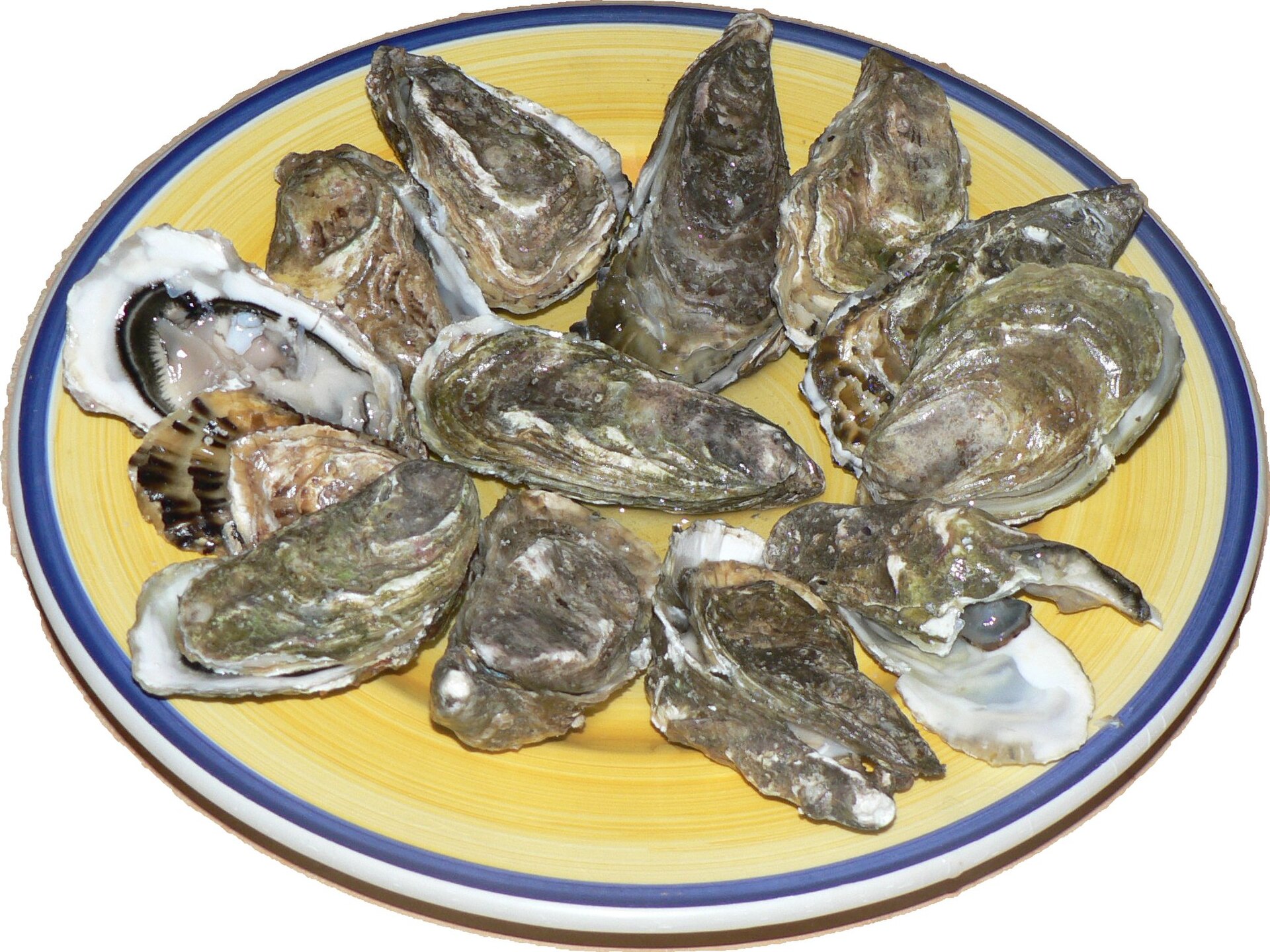
Old shells can do more than pile up as waste. In the Gulf of Mexico, they can become the hard foundation oysters, fish, crabs and shrimp need to rebuild habitat.
Florida used 500,000 tons of old shells to restore Gulf seafloor habitat, turning a blunt-sounding shell dumping project in the Gulf of Mexico into a test of how fast marine life can return to sandy seafloors. The reported result matters because oyster reef restoration in Florida does not just make oysters; it builds hard habitat where fish, crabs, shrimp and other species can feed, hide and reproduce.
In plain terms, shell dumping helped marine life return to sandy seafloors, and oyster reef restoration in Florida benefited the Gulf of Mexico by replacing bare sand with surfaces young oysters and other organisms can use. That is the bigger lesson behind the attention-grabbing number: shells that look like waste on land can become living infrastructure underwater.
Why shells change a seafloor
A sandy bottom can look peaceful, but for oysters it is a difficult place to start a life. Oyster larvae begin as tiny free-floating animals, then need a firm surface where they can attach and grow.
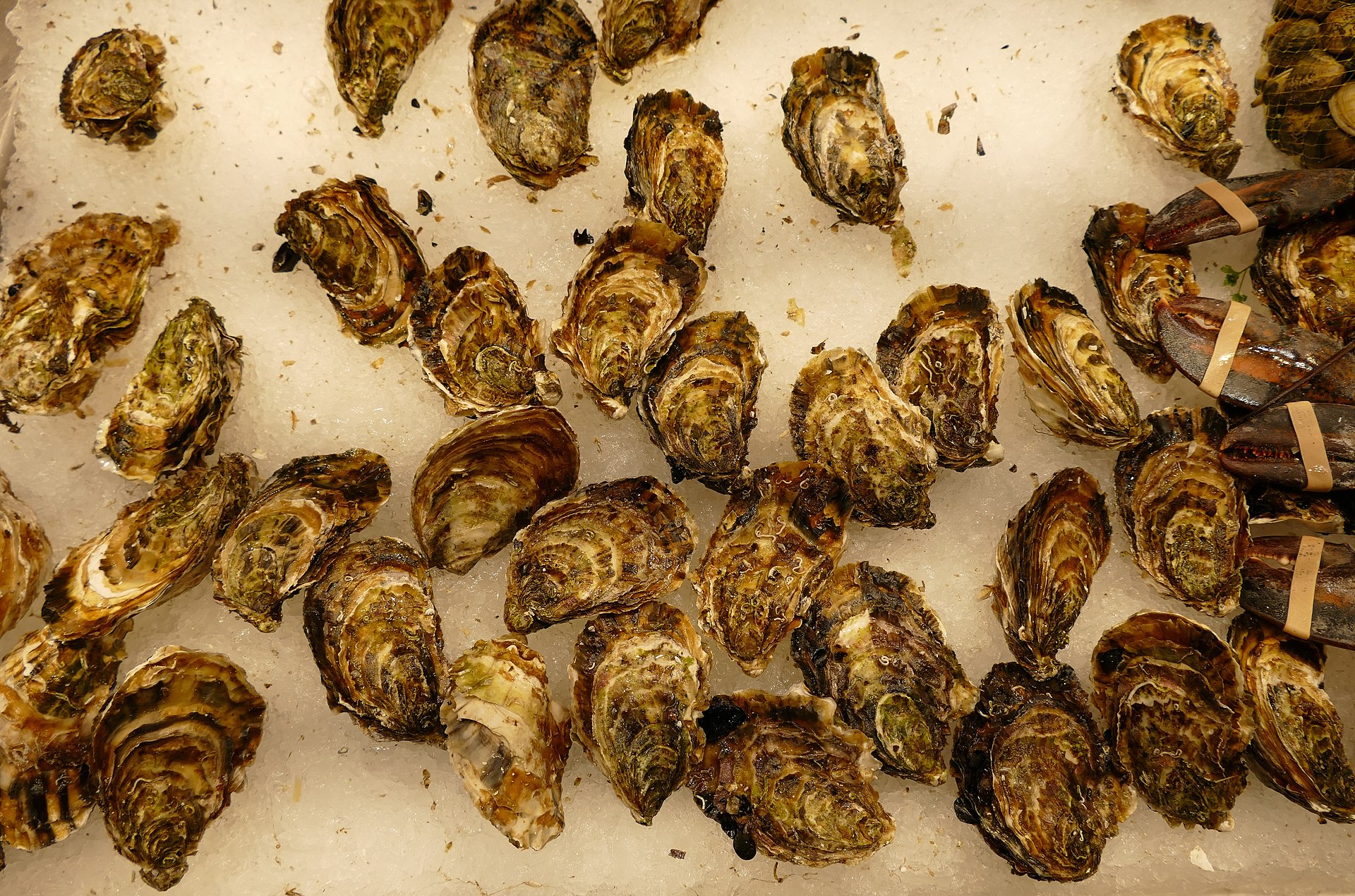
NOAA Fisheries explains that oysters settle on solid material such as rocks, old shells, wrecks and piers. Once they attach, more oysters can grow on top of them, creating a reef shell by shell.
That is why old shells are valuable. They are not just rubble. They provide the hard substrate that lets a flat, shifting bottom become a three-dimensional habitat.
On bare sand, larvae may be buried, swept away or left without enough structure to form a reef. On shell, they get an anchor point, and that anchor point can begin a chain reaction.
What comes back first
The phrase sandy seafloors came alive can sound dramatic, but the science behind it is straightforward. Add structure, and more animals have places to settle, shelter and hunt.
NOAA says oyster reefs create important habitat for hundreds of species. Small organisms such as mussels, barnacles and sea anemones can colonize the reef surface, building a food web that attracts larger animals.
Commercially and recreationally important species can also benefit from reef habitat, including:
- Blue crab and stone crab
- Shrimp and other invertebrates
- Flounder, croaker and speckled trout
- Forage fish that support larger predators
- Other shellfish and reef-dwelling organisms
That does not mean a dumped shell pile instantly becomes a mature reef. It means the site has the physical foundation that a living reef needs. The return of marine life depends on water quality, location, currents, salinity, oyster recruitment and long-term protection.
Florida already recycles shells
Florida has a practical reason to care about this work. The state has long coastlines, major fisheries, storm-exposed communities and estuaries where oyster reefs can play an outsized role.
The Florida Department of Environmental Protection says it uses recycled oyster shell from partner restaurants in Escambia and Santa Rosa counties as hard substrate for oyster reef development. That restaurant-to-reef model turns a seafood byproduct into restoration material.
It is a simple circular idea: oysters are harvested and eaten, shells are collected instead of discarded, and those shells return to the water to support the next generation of oysters and reef life.
Large restoration efforts may involve enormous amounts of shell or shell-like material, but the principle is the same at every scale. A reef cannot rebuild in open water without something solid to build on.
Benefits beyond the oysters
Oyster restoration often gets framed as a story about oysters. That sells the project short.
NOAA describes oysters as a crucial part of ocean health because they filter and clean surrounding water, provide habitat, support food webs and contribute to jobs. In some places, oyster reefs can also act as natural barriers against storms and tides, helping reduce erosion and protect estuary waters.
For Gulf communities, that mix of benefits matters. A healthier reef can support fish and crabs. Clearer water can help submerged grasses. More structure can give juvenile species a safer nursery. A reef with enough height and density may also soften wave energy before it reaches shore.
Those benefits are not automatic, and they do not replace every form of coastal protection. But oyster reefs are one of the rare restoration tools that can be ecological, economic and protective at the same time.
The promise and the limits
The 500,000-ton figure is striking because it signals scale. Small pilot projects can prove a method works, but coastal habitat loss often requires much larger interventions.
Still, scale alone is not success. A restoration project has to put the right material in the right place, under conditions where oysters and associated species can survive. It also has to avoid smothering existing habitat or creating a pile that fails to function as reef.
There are competing views inside restoration work. Supporters see shell placement as a practical way to rebuild habitat that human activity, harvesting pressure, dredging, shoreline development and water-quality problems have damaged over time. Skeptics often want proof that projects produce durable reefs, not short-lived structure that looks good in the first monitoring cycle.
Both concerns are fair. The best restoration projects are judged not by the photo opportunity on deployment day, but by what is living there months and years later.
What to watch next
The clearest measure of success is biological: Are oysters settling? Are reefs growing vertically? Are fish, crabs and invertebrates using the habitat? Is the structure staying in place after storms?
Water quality also matters. Oysters can filter water, but they cannot solve every pollution problem around them. If an estuary has persistent low oxygen, poor salinity conditions or heavy sedimentation, shell alone may not be enough.
Long-term monitoring is the difference between a feel-good dumping story and a real habitat recovery story. The return of marine life to sandy seafloors is encouraging, but the stronger test is whether the reef keeps building on itself.
Sources used for context include NOAA Fisheries guidance on oyster reef habitat and the Florida Department of Environmental Protection’s oyster reef restoration information. Together, they point to the same takeaway: old shells are not waste when they are placed carefully. In the Gulf of Mexico, they can be the first layer of a living reef.










Leave a Reply