
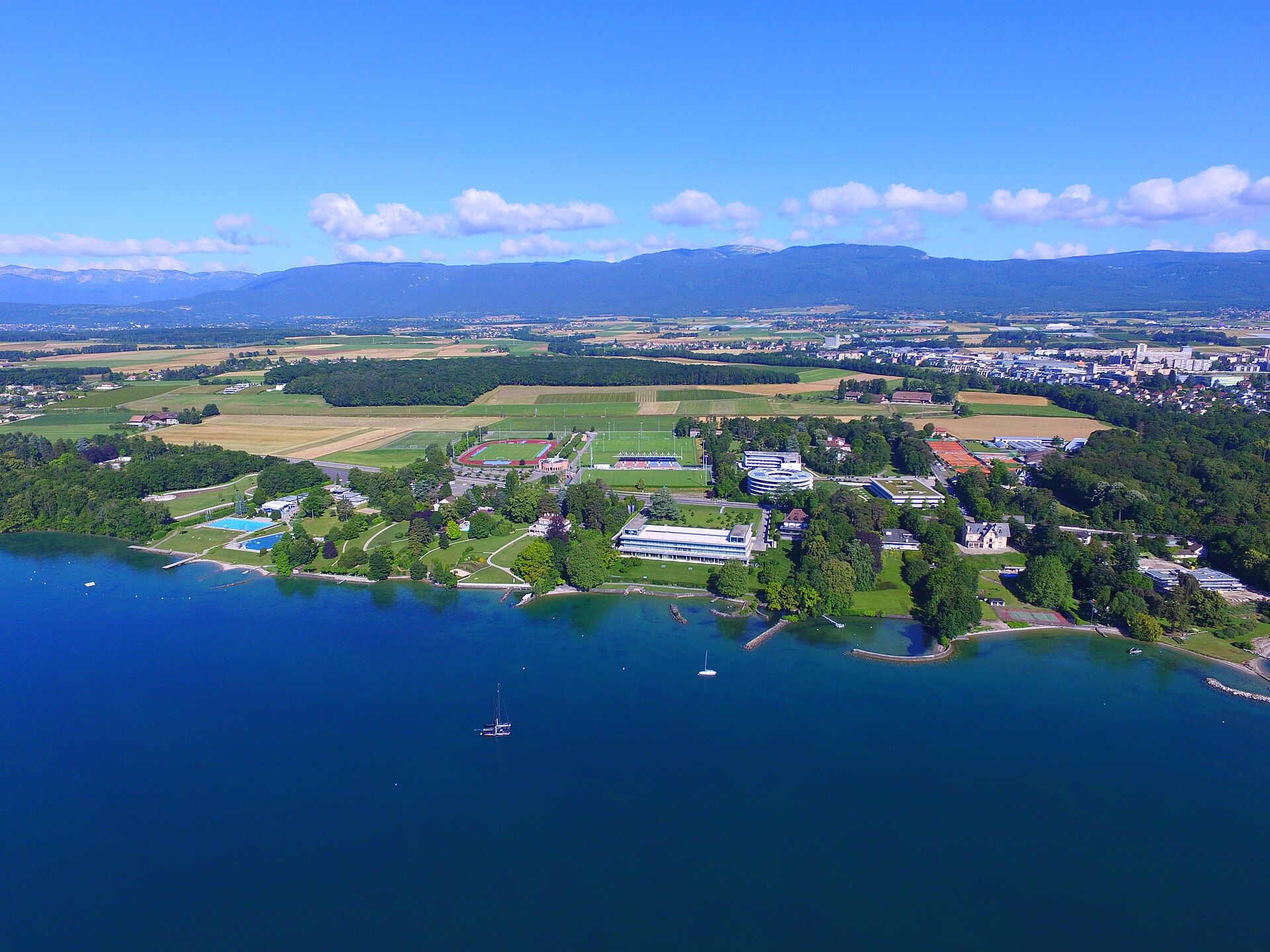
The proposal would bring private capital into the commercial engine behind soccer’s biggest event. Critics say FIFA is putting too much of the game’s shared crown jewel on the market.
FIFA plans to sell a minority stake tied to the World Cup, saying Tuesday, July 28, 2026, that FIFA will create a new subsidiary to run World Cup operations and other events. The proposed FIFA Forward Enterprise would be valued at $20 billion, with private investors able to buy up to 20% as FIFA seeks to raise as much as $4.2 billion.
UEFA has criticized the plan, arguing that football is not FIFA’s to sell. The fight matters because the World Cup is the sport’s most valuable event, and FIFA’s plan would test how far global soccer can go in bringing outside investors into its central commercial machinery.
A World Cup company takes shape
According to Reuters, FIFA’s proposed subsidiary would oversee commercial and event operations for the World Cup and other FIFA events. The new entity, called FIFA Forward Enterprise, would sit between FIFA’s existing governance role and the sprawling business operation that turns tournaments into broadcast, sponsorship and hospitality revenue.
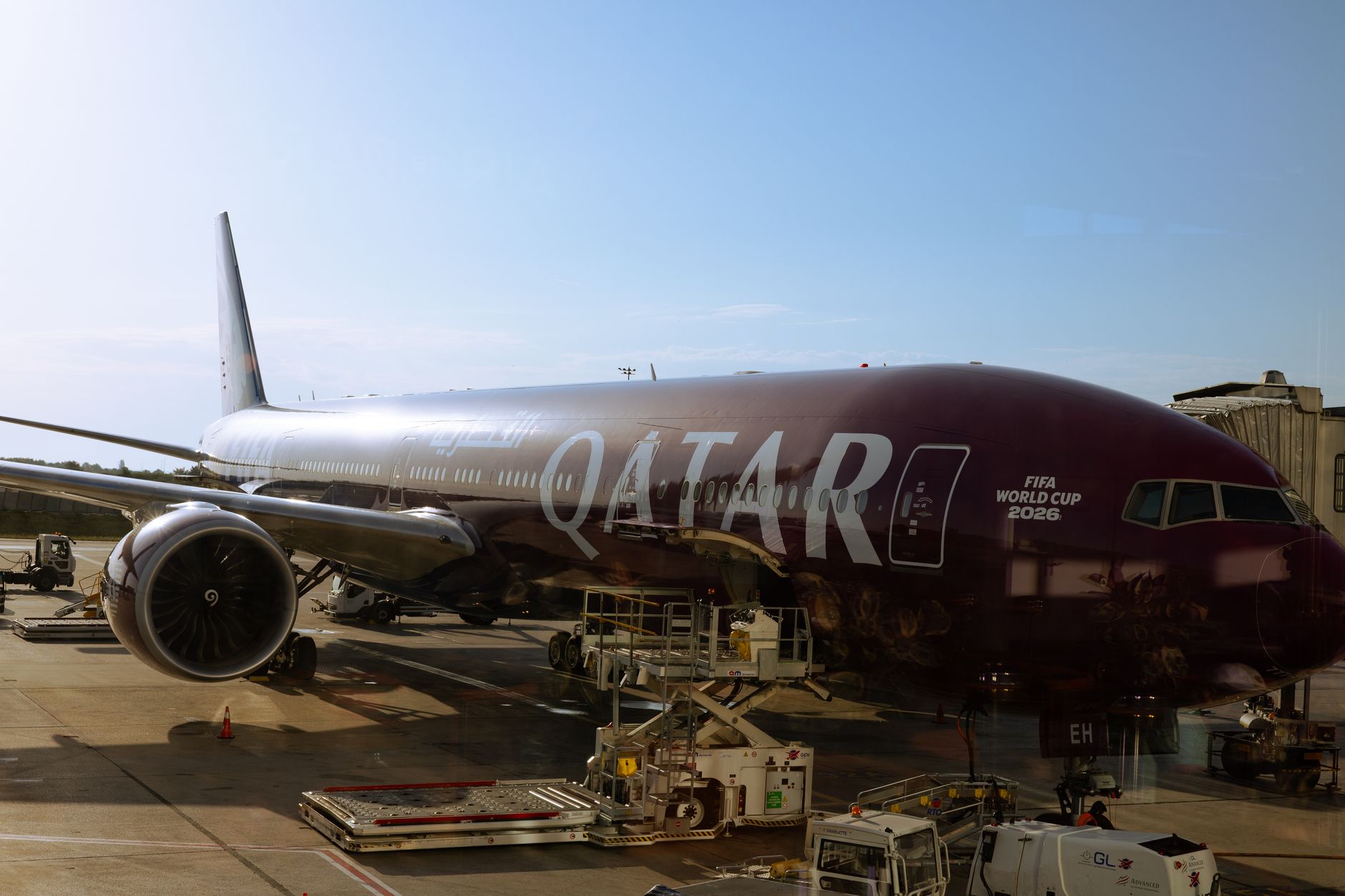
The size of the numbers is what makes the proposal explosive. A $20 billion valuation would put the subsidiary in the same conversation as major sports franchises and media properties, while a stake sale of up to 20% could bring in as much as $4.2 billion.
FIFA says the stakes would be minority and non-controlling. That detail is central to its defense: private investors could share in the business upside, but FIFA says they would not run the sport.
FIFA says control stays home
FIFA’s case is built around a promise of retained authority. The organization said it would keep sole control of the subsidiary and exclusive authority over football governance, competitions, the match calendar and regulatory and sporting decisions.
That distinction matters because the World Cup is not just another commercial property. It determines national-team calendars, player workload, host-country planning and the rhythms of the global game. Even if investors do not vote on sporting rules, critics worry that a profit-sharing structure could influence priorities around expansion, scheduling and commercial packaging.
FIFA President Gianni Infantino framed the proposal as a development tool. He said FIFA’s job is to make sure the wider game grows with the commercial success enjoyed by the most valuable parts of football.
FIFA also said net benefits from the plan would be reinvested in the game. That is the organization’s strongest argument: the World Cup already generates huge value, and FIFA says a new capital structure could spread more of that money to federations that need facilities, coaching, competitions and women’s football investment.
UEFA sees a red line
UEFA’s response was unusually blunt. Europe’s governing body said the proposal crosses a line that football’s institutions should never cross, and warned that the soul and governance of the sport are not assets to trade.
The disagreement is not only about finance. It reflects a deeper power struggle between FIFA, which governs the world game, and UEFA, which represents Europe’s dominant clubs, leagues and national associations. Europe produces many of the sport’s richest competitions and biggest stars, while FIFA controls the World Cup and distributes money across 211 member associations.
Relations between the two bodies have already been tense. Reuters noted that UEFA President Aleksander Ceferin did not attend the recent World Cup final after disagreements involving disciplinary procedures, refereeing logistics and match operations.
To FIFA, Europe can look like a wealthy bloc resisting redistribution. To UEFA, FIFA can look like a governing body using the World Cup’s global appeal to consolidate commercial power. The proposed subsidiary has turned that long-running friction into a direct fight over ownership language.
Why investors would care
The investor appeal is easy to see. The World Cup is one of the few sports events with truly global reach, massive live-viewing value and a sponsorship base that extends beyond traditional soccer markets. In an era when live sports remain one of the strongest assets in media, even a minority exposure to FIFA’s event business could be attractive.
FIFA said Joshua Kushner-founded Thrive Eternal is expected to lead the proposed investor group. Reuters also reported that FIFA is working with JPMorgan bankers and that former Liberty Media CEO Greg Maffei has been involved as a commercial adviser.
That lineup points to a deal shaped for long-term capital rather than a quick resale. Thrive Eternal has been described as a permanent capital vehicle focused on a small number of long-term investments in franchises and cultural institutions.
Still, the presence of private money changes the optics. A not-for-profit governing body can say it is raising capital for development, but investors generally enter deals to earn returns. That is the tension UEFA and other critics are pressing: once the World Cup’s commercial engine has outside shareholders, the sport will have to explain whose interests come first when money and mission collide.
The development-money promise
FIFA says the capital raise would support an optional program allowing member associations to access up to $20 million in one-off capital. The money could be used for infrastructure, coaching, national teams, competitions, grassroots football and the women’s game.
FIFA said that figure would rise to $24 million by the 2035-2038 cycle. For smaller federations, those sums could be transformative. A national association with limited facilities or thin youth-development funding may see the proposal very differently from UEFA officials watching the World Cup become a partial investment vehicle.
That is why the politics of the vote could be complicated. FIFA’s broad membership includes many countries that rely heavily on central distributions. A plan that alarms European power brokers may still appeal to associations that see a rare chance for major capital support.
Critics are not only inside UEFA. Reuters quoted Richard Sheehan, a University of Notre Dame finance professor who studies sports economics, calling the plan a money grab by current FIFA leadership. Britain’s new Prime Minister Andy Burnham also criticized the idea on social media, saying the World Cup is not a product and was never anyone’s to sell.
The vote is still ahead
The proposal is not final. A FIFA spokesperson said it will be presented to the 211 member associations and the FIFA Council, which would be the sole final decision-makers.
That leaves several key questions unresolved. FIFA has not yet publicly shown the full investor terms, the governance protections, the financial return expectations or the limits on what private shareholders could influence over time.
The practical stakes are large. If approved, FIFA would gain billions in new capital while insisting it has kept sporting control untouched. If rejected or watered down, the backlash would signal that even in a sports economy built on commercial growth, the World Cup remains different.
The cleanest reading is that FIFA is trying to monetize the World Cup’s business value without selling control of the World Cup itself. UEFA’s warning is that the distinction may not hold once investors own part of the machine that runs the tournament.



Leave a Reply