
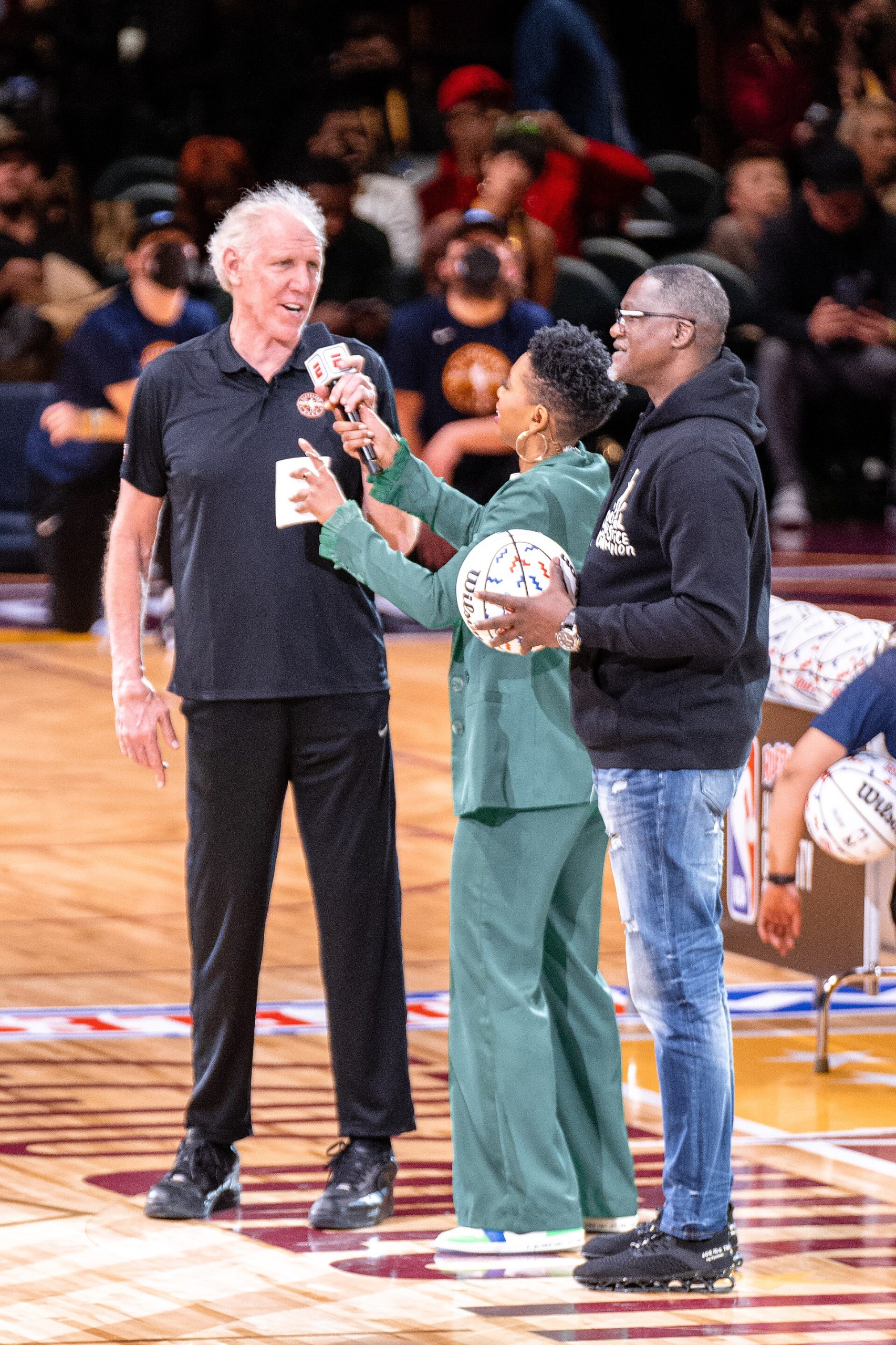
The reaction shows how quickly Caitlin Clark coverage can turn into a debate about the people covering her. McNutt’s comments landed in the middle of a wider WNBA discourse that remains tense and highly personal.
Monica McNutt is facing backlash over comments about Caitlin Clark after the ESPN analyst responded to Clark’s claim that media coverage around her has been emotionally exhausting. Here is what McNutt said and why people are criticizing her: she praised Clark as a WNBA star but also said the Indiana Fever guard has room for more accountability and self-awareness.
The controversy involves ESPN and public reaction from fans and viewers who saw McNutt’s remarks as another example of Clark being scrutinized even when she is describing the burden of constant attention. The dispute matters now because Clark coverage has become one of the league’s most charged media storylines.
The comment that set it off
According to comments quoted by ChiCitySports, McNutt was reacting to Clark saying the media coverage surrounding her has been “emotionally exhausting.” McNutt focused partly on Clark’s use of the word “fearful” and partly on how Clark fits into the larger WNBA conversation.
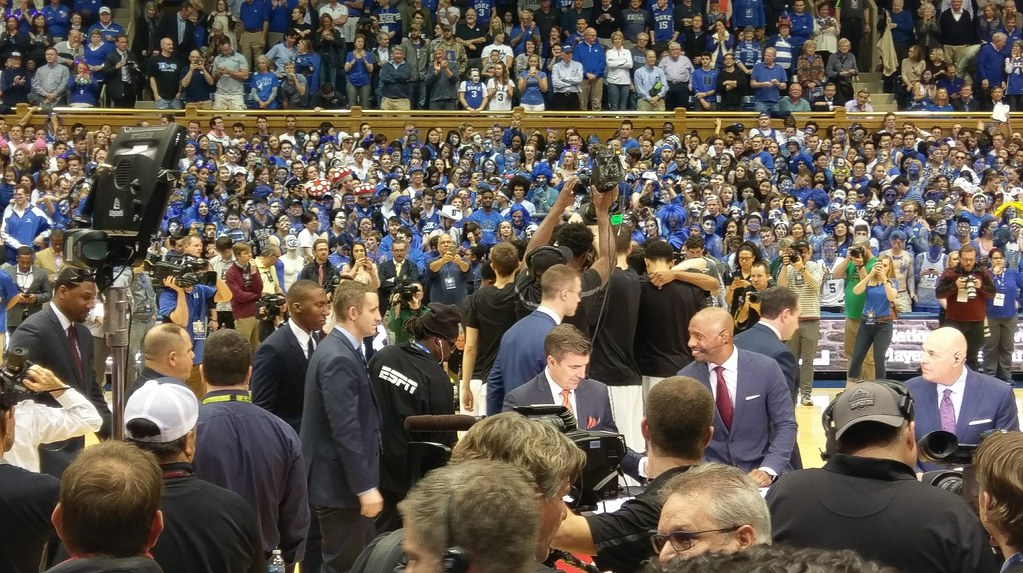
McNutt said she believed Clark does have an emotional experience in the league. But she also argued that, in the larger discourse, the players accused of stepping outside “the parameters of competition” are often the ones who become fearful when they look at social media.
Then came the line that drew the most attention. McNutt called Clark “24” and “a shining star in the galaxy of the WNBA,” but said there was “room for a little bit more accountability and self-awareness” as Clark continues to “matriculate through this league.”
McNutt also said she agreed with Clark that the discourse is exhausting, especially for people who want to celebrate the league and the quality of basketball being played.
Why fans heard a shot
Part of the backlash came from the contrast inside McNutt’s own remarks. She said she agreed with Clark, then pivoted to accountability, self-awareness and Clark’s role in the “larger sisterhood” of the WNBA.
For critics, that sounded like a backhanded compliment. The most common objection was not that McNutt mentioned a broader responsibility. It was that Clark’s expression of fatigue became another occasion to examine what Clark should do better.
ChiCitySports cited several social media reactions from viewers who were frustrated with McNutt’s framing. Some comments were blunt personal criticism of McNutt’s commentary style. Others argued she was dissecting Clark’s words more aggressively than she would another player’s.
That distinction matters. The most heated Clark debates often begin with a basketball topic and quickly become a referendum on media tone, racial dynamics, fan behavior, league marketing and who is expected to absorb the consequences of the attention Clark brings.
McNutt’s defenders have a case
There is also a more charitable reading of McNutt’s comments. She did not dismiss Clark’s exhaustion. She explicitly said she believed Clark was having an emotional experience, and she said the larger discourse has been disappointing.
McNutt also appeared to be making a point about the collateral damage of Clark coverage. When a hard foul, defensive matchup or physical game involving Clark becomes a national argument, other WNBA players often receive online abuse. That is a real part of the league’s current reality.
In that reading, McNutt was not saying Clark caused all of it. She was saying a player with Clark’s visibility may have a role in shaping how the conversation moves, especially if she sees herself as part of a league-wide community.
The problem is that nuance can vanish on television and almost always vanishes on social media. A few phrases — “accountability,” “self-awareness,” “matriculate” — became the story because they sounded to many viewers like a lecture directed at Clark.
Clark coverage is the real pressure point
Clark’s arrival in the WNBA turned regular-season games, press conferences and analyst segments into national talking points. That attention has helped raise interest in the league, but it has also made routine commentary feel unusually loaded.
For some fans, Clark is treated as if she must answer for everything happening around her: ratings, rivalries, fouls, fan conduct, media narratives and even how other players are discussed. For others, Clark’s enormous platform means her words carry extra weight, whether she wants that responsibility or not.
That is the tension McNutt stepped into. Clark said the coverage is emotionally exhausting. McNutt responded by acknowledging the exhaustion while widening the frame to include other players affected by the discourse. Fans who already believe Clark is over-critiqued heard that as more of the same.
ESPN is part of the story because its analysts are not just describing the WNBA’s boom. They are helping shape how millions of viewers interpret it. In Clark-related segments, tone can matter as much as the take itself.
What remains unclear
As of the material reviewed, there was no formal statement included from McNutt, Clark or ESPN addressing the backlash directly. That leaves the conversation largely in the hands of clips, quote posts and reaction accounts.
It is also unclear whether McNutt’s remarks will have any lasting impact beyond another cycle of online criticism. Sports television is built for strong opinions, and Clark’s prominence practically guarantees that analysts will keep debating her role in the WNBA’s growth and friction.
The larger question is whether the coverage can separate Clark’s individual experience from the broader cultural fight around her. Clark can be emotionally exhausted by nonstop attention. Other players can also be harmed by abusive fan reaction. Both can be true at once.
That is what makes the McNutt backlash revealing. The argument is less about one sentence than about trust: whether fans believe ESPN’s commentary on Clark is fair analysis, unnecessary policing or an attempt to hold together a WNBA conversation that keeps spinning out of control.



Leave a Reply