

The controversy centers on a disallowed Egypt goal, a denied Mohamed Salah penalty appeal and claims that Argentina benefited from the tournament’s biggest star power.
Egypt did not leave the World Cup quietly. After a 3-2 last-16 defeat to Argentina, its football federation escalated anger over the officiating into a formal complaint to FIFA.
The allegation is explosive because of who survived the scare: defending champion Argentina, with Lionel Messi still alive in what could be his final World Cup. Egypt’s grievance now puts FIFA’s refereeing process under a harsh spotlight.
A complaint aimed at the crew
The Egyptian Football Federation says it has asked FIFA to investigate the officials from the Argentina match, according to BBC Sport’s live reporting. The federation specifically pointed to French referee François Letexier and the wider officiating and video review team.
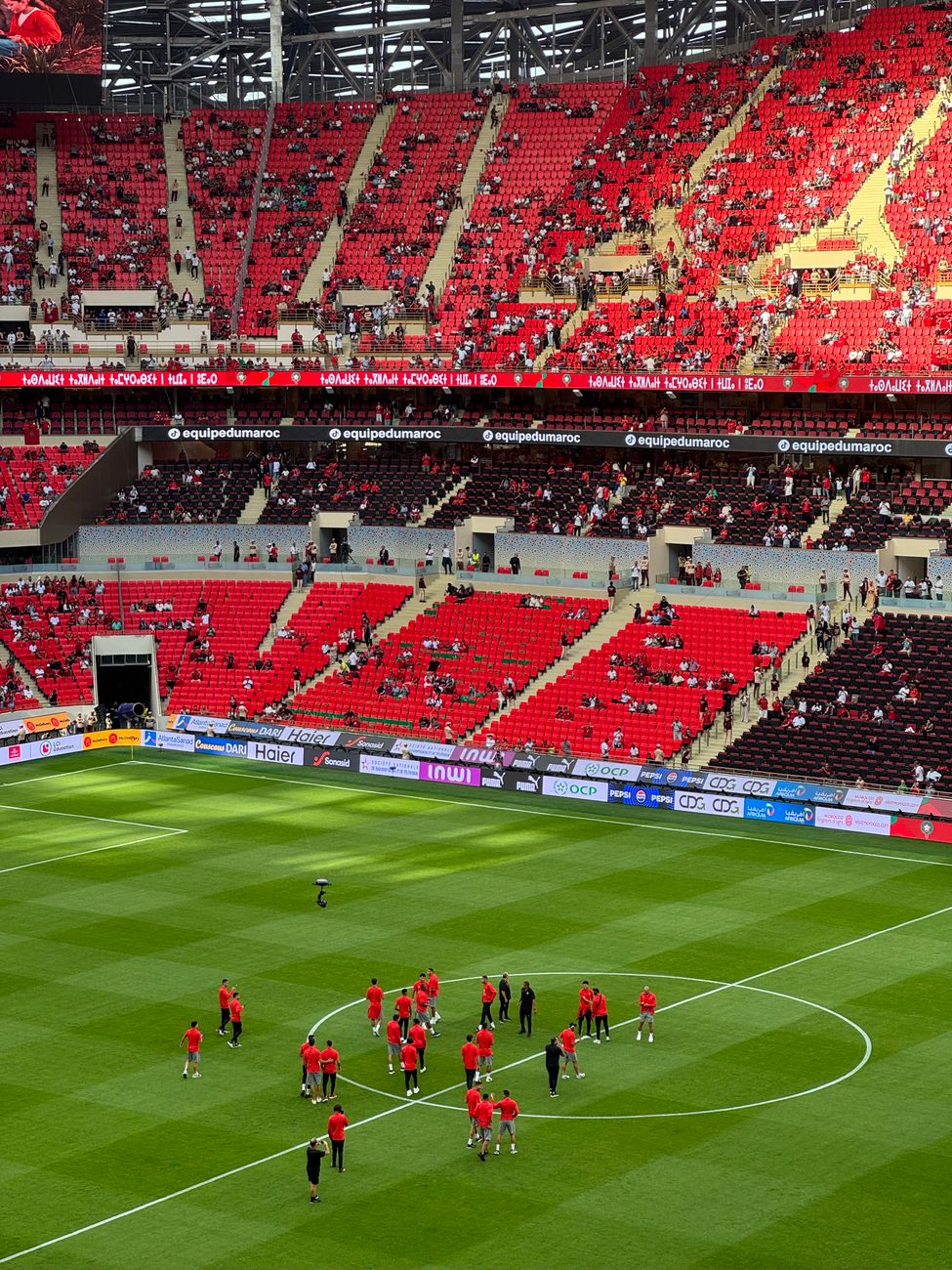
Egyptian FA president Hany Abou Rida accused the crew of serious refereeing mistakes and double standards, the BBC reported. The federation also demanded that the referee and the entire crew be removed from further World Cup duty while the matter is examined.
That is a sweeping request. Federations often complain after major tournament exits, but asking for a full officiating team to be kicked out of the tournament turns the dispute from post-match frustration into a governance test for FIFA.
BBC Sport said it had contacted FIFA about the complaint. At the time of that reporting, the question was less whether Egypt’s result could realistically change and more whether FIFA would publicly address the integrity concerns being raised.
The calls Egypt cannot let go
The flashpoint came while Egypt were ahead in the second half. A goal by Mostafa Zico was ruled out after a VAR review, with Marwan Attia penalized for stepping on Lisandro Martinez’s foot earlier in the move.
To Argentina, that can be framed as VAR doing exactly what it is supposed to do: tracing the attacking sequence and identifying a foul before the ball hits the net. To Egypt, it became the moment that shifted the match’s emotional balance.
Egypt also believed Mohamed Salah should have been awarded a penalty late in the game. According to the BBC account, the appeal came shortly before Argentina broke away for the winning goal that made it 3-2.
Those two incidents explain why the complaint has momentum. One erased an Egypt goal. The other, in Egypt’s view, denied them a chance from the spot before Argentina’s decisive attack.
Messi became part of it
The controversy deepened because Egypt’s complaints did not stop at isolated decisions. Egypt manager Hossam Hassan said after the game that his team had been treated unfairly and had suffered injustice, according to BBC Sport.
He then suggested the broader stakes may have influenced the atmosphere around the match, saying perhaps some wanted the world champion to remain in the competition and perhaps some wanted Messi to stay in the running.
Egypt forward Zico went even further, alleging that the referee was unfair and saying it was clear to him that the tournament had been fixed, the BBC reported. That kind of language raises the temperature quickly, even if it is not the same as proving deliberate wrongdoing.
Messi’s role in the match made the optics even sharper. He reportedly missed an earlier penalty, later set up Argentina’s first goal and scored an equalizer before Enzo Fernandez delivered the late winner.
Argentina survived the chaos
Strip away the complaint and the football story is still dramatic. Argentina, the reigning World Cup champion, came from behind in Atlanta to beat Egypt 3-2 and move into the quarter-finals.
Egypt were chasing history. The national team has never reached a World Cup quarter-final, and this match offered a rare opening against a giant that looked vulnerable for long stretches.
That is why the defeat stings beyond the scoreboard. Egypt were not brushed aside. They were close enough to see the next round, close enough to believe the game turned on decisions that could have gone another way.
For Argentina, the win keeps alive a title defense and extends Messi’s run in the tournament. For everyone else, the match adds another chapter to a familiar World Cup pattern: when an underdog loses a tight knockout game to a heavyweight, every whistle becomes evidence in a bigger argument.
FIFA’s awkward VAR problem
VAR was designed to reduce obvious injustice, not end debate. In moments like this, it can do the opposite: slow the game down, isolate a single contact point and leave fans arguing over whether the technology found the truth or merely selected a version of it.
Egypt’s complaint targets that gap. The federation’s claim is not simply that one call was wrong. It argues that reviews were applied unevenly and that decisions favorable to Egypt were not examined with the same urgency.
That is hard to prove. Refereeing bias, especially in a knockout match, is a serious allegation that requires more than anger, replay clips and post-match quotes. FIFA will know that opening a broad inquiry into alleged discrimination or favoritism could create expectations it may not be willing to meet.
Yet dismissing the complaint too quickly carries its own risk. Fans already distrust opaque VAR processes when explanations are limited. If FIFA wants players, coaches and supporters to accept tight calls, it has to show that its review systems are more than a black box.
What happens before the quarter-final
Argentina are set to face Switzerland in the quarter-finals after Switzerland beat Colombia on penalties following a 0-0 draw over 120 minutes, according to BBC Sport’s match coverage. The schedule moves on, whether Egypt accepts the explanation or not.
For Egypt, the practical outcomes are limited. FIFA could review the officiating team’s performance, decide whether any officials continue in the tournament and issue a response. A replay or overturned result would be extraordinarily unlikely in this kind of situation.
The more realistic impact is reputational. Egypt has forced a public conversation about how FIFA handles complaints when the match involves one of the sport’s most marketable players and its defending champion.
The clean takeaway is this: Argentina are through, Egypt are out, and the result is unlikely to change. But FIFA still has a decision to make about transparency, because this controversy will not disappear simply because the bracket has moved on.




Leave a Reply