
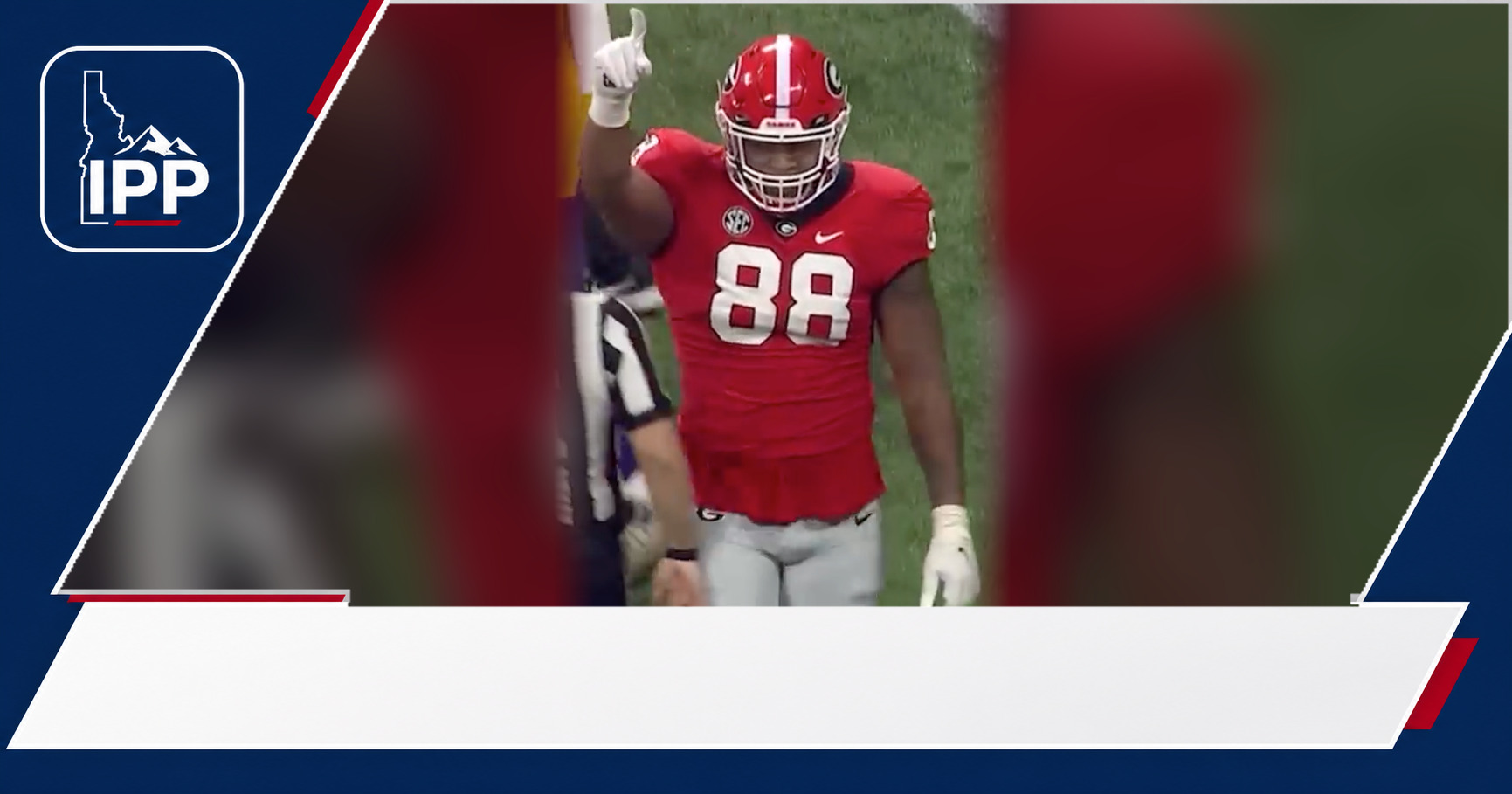
Philadelphia is paying early for a centerpiece of its defense. The deal also gives the rest of the NFL a new benchmark at one of football’s most expensive positions.
The Philadelphia Eagles signed Jalen Carter to a four-year, $152 million contract extension on Tuesday, July 28, 2026, in Philadelphia, Pennsylvania. The deal keeps him under contract through 2031, includes $106 million guaranteed, and makes Carter the highest-paid defensive tackle in NFL history at a $38 million average annual value when the new money begins.
The national reaction to the Eagles signing Jalen Carter has focused on two things at once: Philadelphia paid a massive number, and it did so before the defensive tackle could get anywhere near the open market. That is the part that matters beyond one roster.
A record price for control
The Eagles announced the extension as players reported to training camp, according to The Philadelphia Inquirer, which also reported the $152 million total and $106 million guaranteed figure through NFL sources. Carter, 25, was entering the fourth year of his rookie contract, and Philadelphia had already exercised his fifth-year option in April.

That timing is the tell. The Eagles did not wait for a franchise-tag standoff, a free-agent bidding war or a public negotiation that could drag into a season. They paid now to control a player they view as one of the most important pieces of their defensive front.
For Carter, the deal is a massive personal win. For the Eagles, it is a calculated move to buy prime years before the market moves again. For the rest of the NFL, it is the new reference point whenever an elite interior defender sits down at the table.
Why the reaction was immediate
Nationally, the first response was always going to be about the number. A $38 million average annual value for a defensive tackle is not just a raise for Carter. It is a signal that elite interior disruption is being priced closer to the top of the defensive market.
There are two easy ways to read the deal. One is that the Eagles are being aggressive and smart, locking in a rare young talent before the cost gets even worse. The other is that Philadelphia just accepted major injury and performance risk at a position where trench play can swing sharply from year to year.
Both views can be true. Carter has already played like a foundational defender, but the size of the guarantee means the Eagles are betting that his best seasons are still in front of him, not already priced into the contract.
Carter’s case was already strong
Carter entered the NFL as the No. 9 overall pick in the 2023 draft after starring at Georgia. He quickly became one of the league’s most disruptive young defensive tackles, finishing as the runner-up for the AP Defensive Rookie of the Year award behind Houston Texans edge rusher Will Anderson.
He then earned original-ballot Pro Bowl selections in 2024 and 2025, according to The Inquirer. In the Eagles’ 2024 Super Bowl-winning season, he carried the largest workload on Philadelphia’s defensive line, playing 79.4% of the team’s defensive snaps.
That workload matters because it explains why the Eagles were willing to move early. Carter is not being paid only for highlight plays or draft pedigree. He is being paid because Philadelphia believes he can anchor a defensive identity built around pressure from the inside.
The risk is not imaginary
The deal also arrives after a season in which Carter was not fully himself. The Inquirer reported that he dealt with shoulder injuries in 2025, missed three games in the second half of the year while recovering from procedures, and acknowledged during the season that he was limited.
Next Gen Stats numbers cited by The Inquirer showed a career-low 7.7% pressure rate while Carter faced a double team on a career-low 41.7% of his pass rushes. He generated five pressures on 158 double-teams, down from 12 in 2023 and 15 in 2024.
That is the counterargument to the celebration. The Eagles are paying for the 2024 version of Carter and the player they believe he can become, not merely the 2025 production line. If the shoulders are right and the offseason work holds, the contract can look like a proactive strike. If the injuries linger, the guaranteed money becomes a heavier conversation.
Defensive coordinator Vic Fangio offered a positive read in late May, saying he thought Carter’s shoulders were fine and that Carter had a good offseason of lifting, according to The Inquirer. Still, the extension does not remove the uncertainty. It only shows the Eagles were comfortable living with it.
Philadelphia keeps building inside out
This move fits the way the Eagles have often tried to stay ahead of roster problems. General manager Howie Roseman has repeatedly invested in the lines, and the Carter deal follows another major defensive tackle commitment: Jordan Davis signed a three-year, $78 million contract in March.
That gives Philadelphia expensive security in the middle of the defensive front. It also creates a roster-building challenge. When two young defensive tackles take up that much cap space, the front office has to find cheaper contributors elsewhere, especially through the draft.
The Eagles have already leaned into that balancing act. Paying Carter and Davis makes sense only if Philadelphia keeps replenishing the roster with lower-cost talent around them. A team can carry stars at premium prices, but not if too many middle-tier spots become expensive at the same time.
Moro Ojomo, another young defensive lineman, was also extension-eligible entering 2026 and approaching the final year of his rookie deal, according to The Inquirer. Carter’s contract may clarify the top of the depth chart, but it does not answer every question about how Philadelphia will keep the rest of its defensive front together.
The new market starts here
The Carter extension will echo beyond Philadelphia because agents and teams track these deals in tiers. Once one player reaches $38 million per year, the next elite defensive tackle will not treat that number as an outlier. It becomes evidence.
That does not mean every top interior defender will automatically pass Carter. Age, health, production, guarantees and contract timing all matter. But the ceiling has moved, and teams with young defensive stars now have a new pressure point.
For the Eagles, the cleanest takeaway is simple: they chose certainty over delay. They kept Jalen Carter in Philadelphia through 2031, made him the highest-paid defensive tackle in NFL history, and accepted the scrutiny that comes with setting the market.
The reaction will keep splitting between praise for the ambition and concern over the price. The real verdict will come later, in the kind of games where a $152 million defensive tackle is expected to wreck the plan before the ball ever leaves the quarterback’s hand.







Leave a Reply