
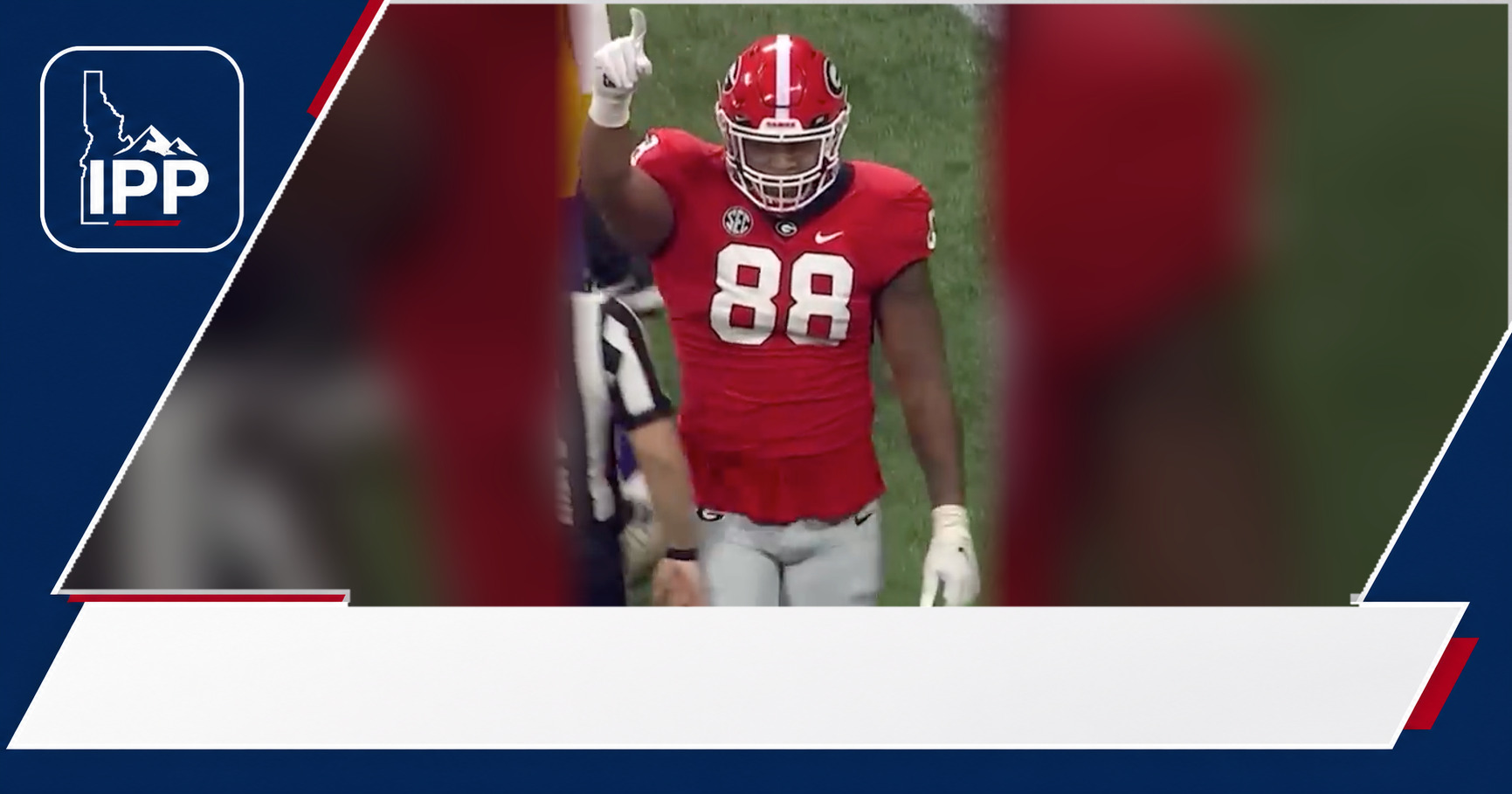
Philadelphia moved early to keep a premium defender and avoid a training camp contract cloud. Now Carter has to turn historic money into consistent dominance.
The Philadelphia Eagles made a logical decision involving Jalen Carter by agreeing to a four-year, $152 million contract extension with $106 million guaranteed, a deal that keeps the defensive tackle under team control through 2031, according to Sports Illustrated’s Eagles On SI.
The move is logical because it settles the Eagles’ biggest pre-training camp storyline before it could become a distraction, but pitfalls or risks remain despite the decision. Carter now carries record-setting expectations at a position where dominance is expensive and hard to sustain.
Why Philadelphia moved early
The Eagles did not just pay Jalen Carter for what he has already done. They paid to control what could have become a noisy, expensive and unpredictable negotiation.
Per the Eagles On SI report, Carter’s extension is the largest contract for a defensive tackle in NFL history. The $106 million guaranteed figure also reportedly tops the previous high at the position, while the average annual value begins at $38 million and could rise if the deal reaches its full reported value.
That is a massive number, but the timing is the real story. By striking before training camp, Philadelphia avoided the familiar summer cycle of hold-in questions, daily practice updates, and speculation over whether a cornerstone player might miss time or force a harder public negotiation.
For a team built around continuity, that matters. The Eagles have spent years acting early on players they view as core pieces, and this extension fits that pattern more than it reads like a panic move.
The market made waiting risky
The logic behind the deal becomes clearer when the defensive tackle market is viewed as a moving target. Once one top player resets the position, the next negotiation often starts from that new ceiling rather than the old one.
Eagles On SI pointed to Jeffery Simmons’ recent guarantee number as the benchmark Carter passed. That is the danger Philadelphia likely saw: if Carter played well, stayed healthy and reached deeper into the contract calendar, the price could have moved again.
The Eagles’ front office has often preferred certainty over suspense. Paying early can look expensive in the moment, but it can age better if salaries keep rising and if the player remains central to the roster.
There is another layer, too. Carter plays one of the NFL’s premium positions. Interior pressure disrupts quarterbacks without needing blitz help, and players who can collapse the pocket from the middle are not easy to find, draft or replace.
Carter still has to justify it
The contract may be logical. That does not make it risk-free.
The most obvious question is whether Carter’s on-field production will match the new price tag. The Eagles On SI report noted that Carter was a Pro Bowler last season but also argued that his performance did not fully match a $38 million-per-year standard.
The report cited 11 games played, 41 pressures, 12 quarterback hits and 3 sacks, while noting that his pressure rate ticked up but several volume numbers dropped from his previous breakout season. It also connected part of that dip to a shoulder injury that limited him physically.
That context matters. Injury can distort a stat line, especially for an interior lineman whose game depends on power, leverage and repeated collisions. But a record contract has a way of shrinking patience. Healthy seasons are now assumed. Dominant ones are expected.
The pressure is different now
Before the extension, Carter was a young, high-upside defensive tackle whose ceiling helped define Philadelphia’s next defensive core. After the extension, he is a player being paid like the standard-setter at his position.
That shift changes how every quiet game is interpreted. A two-gap assignment that helps teammates may still be valuable, but fans and analysts often judge elite contracts by splash plays: sacks, pressures, tackles for loss, forced fumbles and game-wrecking moments in high-leverage spots.
That can be unfair to defensive tackles, whose best work is sometimes hidden. It is also unavoidable. Once a player signs a market-shaping deal, the conversation follows the money.
For Carter, the cleanest way to quiet that pressure is simple but difficult: stay available, stay disruptive and make the Eagles’ defense feel structurally different when he is on the field.
Maturity remains part of the bet
The remaining pitfalls are not only about sacks and guarantees. They are also about trust.
Eagles On SI described Carter as largely accountable during his time in Philadelphia, while also noting that the organization has been careful with how it manages him publicly. The report also referenced the nationally televised spitting incident involving Dak Prescott in the Eagles’ season opener, which led to Carter’s ejection but not a league suspension.
That moment did not define Carter’s entire career, and it should not erase the reasons Philadelphia wanted to keep him. Still, it matters because big contracts are leadership contracts. The team is not just paying a talented lineman; it is elevating him as one of the faces of its future.
The Eagles are betting that Carter is ready for that responsibility. His talent made the deal possible. His consistency and composure will determine whether it feels wise in practice.
What the Eagles bought
Philadelphia bought cost certainty, locker-room calm and long-term control over one of the NFL’s most valuable defensive profiles. Those are real wins before a snap is played.
The team also bought pressure. Carter’s deal could look like a bargain if the market keeps climbing and he becomes the week-to-week force his best flashes suggest. It could feel heavy if injuries linger, production plateaus or avoidable mistakes become part of the story again.
That is why the decision can be both logical and dangerous. The Eagles did what smart teams often do: identify a premium player, act before the market gets worse and remove a contract distraction before camp.
Now the negotiation is over. The harder evaluation begins.







Leave a Reply