
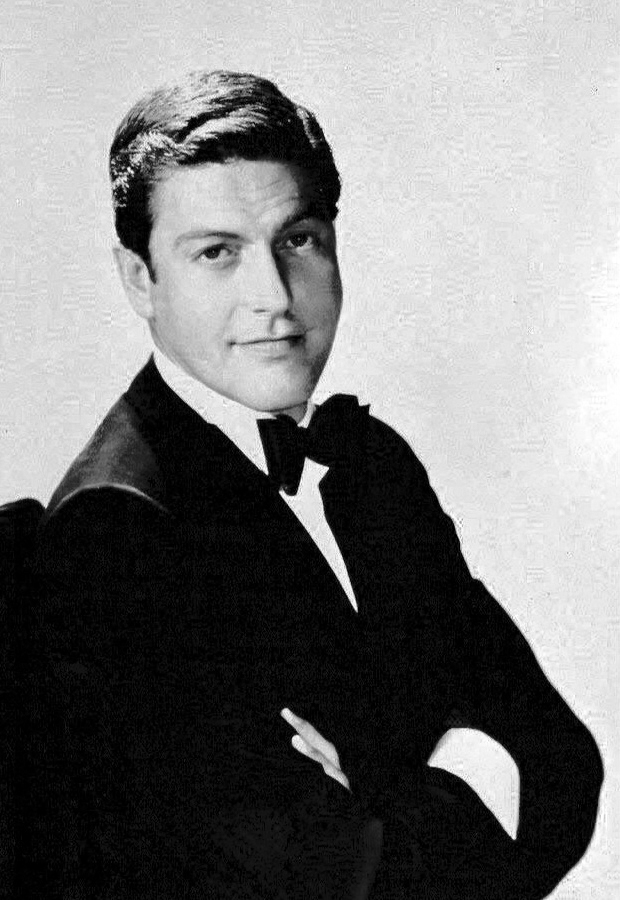
The beloved performer’s advice lands because it is refreshingly unfancy. Behind the charm is a practical message about what not to do, and what to keep doing for as long as possible.
Dick Van Dyke has spent nearly a century making hard things look easy: dancing on rooftops, tumbling through slapstick, turning pure physical joy into a career.
So when he talks about living a long life, people listen. The advice that has recently drawn attention is not a complicated wellness plan. It starts with two plain avoidances: don’t smoke and don’t drink.
The advice is strikingly simple
Van Dyke, who was born Dec. 13, 1925, reached 100 in December 2025. In coverage of his longevity remarks, The Independent highlighted his blunt message about the two things to avoid for a longer life: cigarettes and alcohol.
That simplicity is part of the appeal. It does not require a subscription, a gadget, a cold plunge, a powder, or a 19-step morning routine. It is also not a guarantee. Plenty of people who avoid both still face illness, genetics and bad luck.
But as longevity advice goes, the two “no’s” are hard to dismiss. Public health research has long tied smoking to higher risks of cancer, heart disease, stroke and lung disease. Heavy alcohol use is also associated with a range of harms, including liver disease, certain cancers, injuries and heart problems.
Van Dyke’s version lands differently because it comes from someone whose public image has always been kinetic. His point is not just to subtract dangerous habits. It is to leave more room for movement, humor, curiosity and other people.
He kept moving for decades
CNBC, in a report marking Van Dyke’s 100th birthday, pointed to movement as one of the habits he credits for staying healthy. The outlet noted that Van Dyke has said he still goes to the gym three times a week and practices yoga and stretching on off days.
That detail matters because it moves the story beyond celebrity folklore. Van Dyke is not presenting longevity as one lucky trick. He is describing a lifestyle built around repeated, ordinary motion.
Movement has been the through-line of his career. Long before “functional fitness” became a phrase, Van Dyke was using balance, rhythm, flexibility and strength as tools of performance. His screen work made athleticism look playful rather than punishing.
For readers, the useful takeaway is not that everyone should copy a centenarian’s gym schedule. It is that staying active does not have to mean chasing intensity forever. Stretching, walking, dancing, light strength work and balance practice can all matter, especially when they are done consistently.
The real pattern is consistency
The most tempting way to read any celebrity longevity story is to look for the one secret. Van Dyke’s story resists that. The two habits he warns against are important, but his broader pattern is about what he has kept doing.
He has kept working. He has kept moving. He has kept performing in public well past the age when most people disappear from the stage. He has also kept a sense of play, which CNBC connected to his optimistic outlook and his willingness to take on opportunities that still excite him.
That is why his advice feels different from a sterile checklist. It is not “optimize every biological marker.” It is closer to: remove the obvious hazards, then keep participating in life.
There is a useful tension there. Longevity culture often sells control, but a long life also depends on luck, access to care, social support and genes. Van Dyke’s habits are not a magic shield. They are reminders that boring choices can compound over time.
Optimism is part of the story
Van Dyke has often framed his life through optimism. CNBC cited his remarks to Al Roker on TODAY, where he said he tends to look on the good side of things.
That does not mean forced cheerfulness cures disease. It also does not mean people can positive-think their way out of grief, pain or chronic illness. But outlook can shape behavior. People who believe life still has something to offer may be more likely to move, connect, show up and say yes.
Van Dyke’s public persona has always leaned into that kind of yes. Even in older age, he has appeared in new projects, including Coldplay’s “All My Love” video, where his warmth and playfulness became part of the performance.
The lesson is not that everyone needs a camera crew or a music video. It is that joy is not frivolous. For many older adults, play, purpose and curiosity are not extras; they are part of what keeps daily life worth engaging with.
Family gives the advice weight
Another piece of Van Dyke’s longevity story is connection. CNBC noted that he values time with loved ones, including children, grandchildren and great-grandchildren, and described how family appears in the “All My Love” video.
That detail matters because social life is not just sentimental decoration. Long-running research, including the Harvard Study of Adult Development, has found strong relationships are closely tied to well-being across the lifespan.
For older adults, connection can affect everything from mood to daily routines. A visit, a call, a shared meal or a small family ritual can become a reason to get up, move around and stay involved.
Van Dyke’s image of family life is unusually large and joyful, but the principle is smaller and more portable. Longevity advice is often aimed at the body. His example also points to the need to protect a life around the body.
No miracle, just fewer excuses
The danger with stories like this is turning one person’s life into a universal prescription. Van Dyke’s 100 years are his own. His career, resources, personality, medical history and genetics are not easily transferable.
Still, the advice resonates because it avoids pretending that health has to be mysterious. Avoiding smoking and alcohol may sound obvious, but obvious does not mean easy. Many people struggle with addiction, stress, habit and environment. For them, the practical step is not shame; it is support, treatment, substitution and time.
The same goes for movement and social connection. The goal is not to become Dick Van Dyke. The goal is to notice what his story keeps pointing toward: fewer self-inflicted harms, more motion, more people, more reasons to stay curious.
That may be why his longevity advice has traveled so widely. It is not glamorous. It is not new. But coming from a performer who made a lifetime out of motion and mischief, it feels less like a lecture and more like an invitation to keep going.









Leave a Reply