
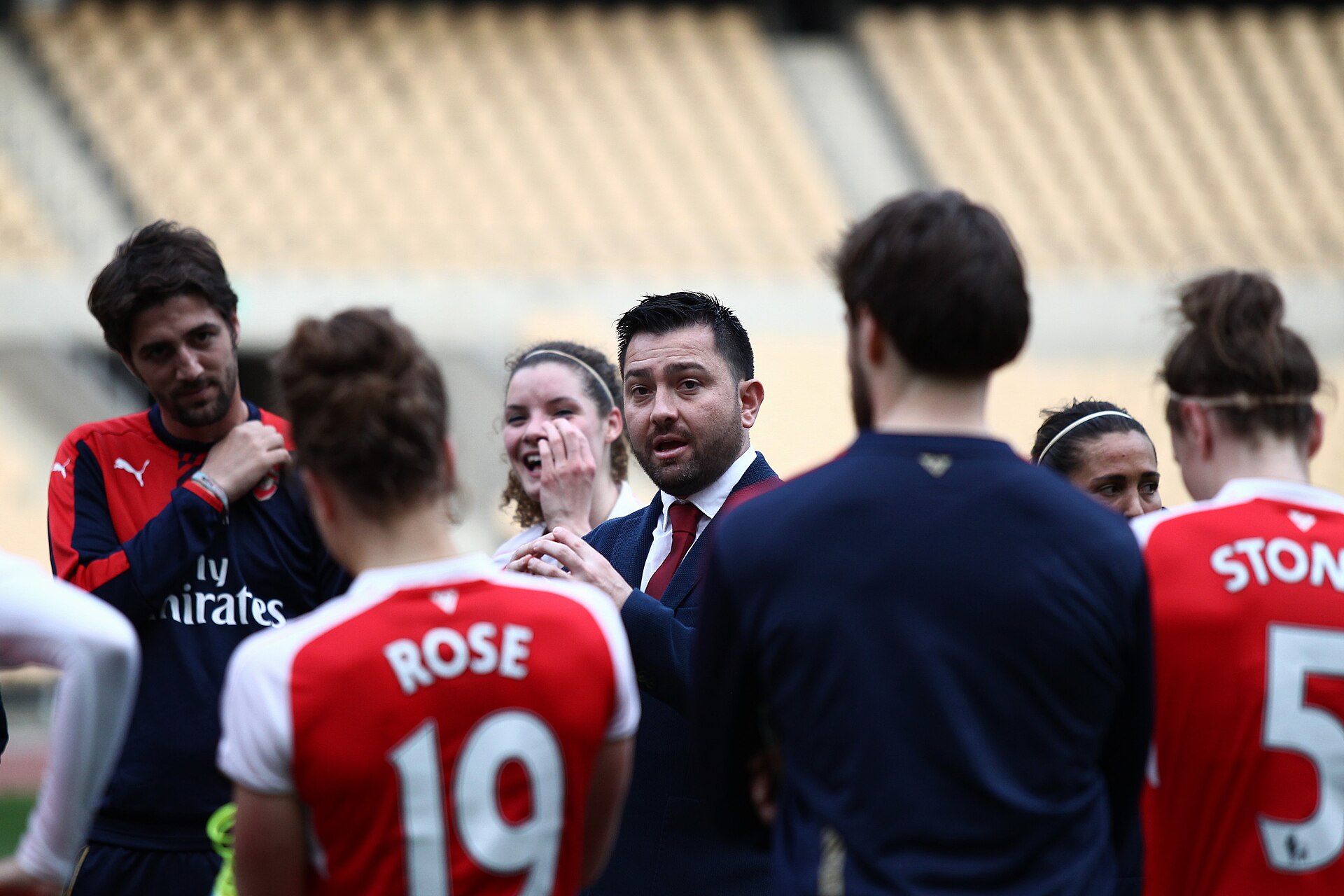
The punishment follows a final where smoke and fireworks became part of the spectacle — and part of the problem. The case shows why German football still has no easy answer on pyrotechnics.
Bayern Munich and VfB Stuttgart were fined for pyrotechnics at the DFB-Pokal final in Berlin, Germany, after fans used flares and fireworks during the match, and the DFB imposed the penalty. The flash point was not just celebratory smoke: reporting cited a DFB statement that Munich spectators ignited at least 70 flares and four firework batteries, launching tracer elements and rockets. Heavy pyro from both fan groups shrouded Bayern’s 3-0 win, triggered an investigation and revived Germany’s argument over where vibrant fan culture ends and match control begins.
The DFB-Pokal final is Germany’s cup showpiece, so the sanction lands beyond a routine disciplinary note. It puts Bayern, Stuttgart, the German Football Association and organized fan culture back in the same uncomfortable place: everyone praises atmosphere until the spectacle starts affecting visibility, safety and the flow of the game.
Why the DFB stepped in
The German Football Association, commonly known as the DFB, has long treated unauthorized pyrotechnics as a disciplinary matter for clubs. The logic is blunt: even if individual supporters light the flares, the club whose fans are responsible can face sanctions.
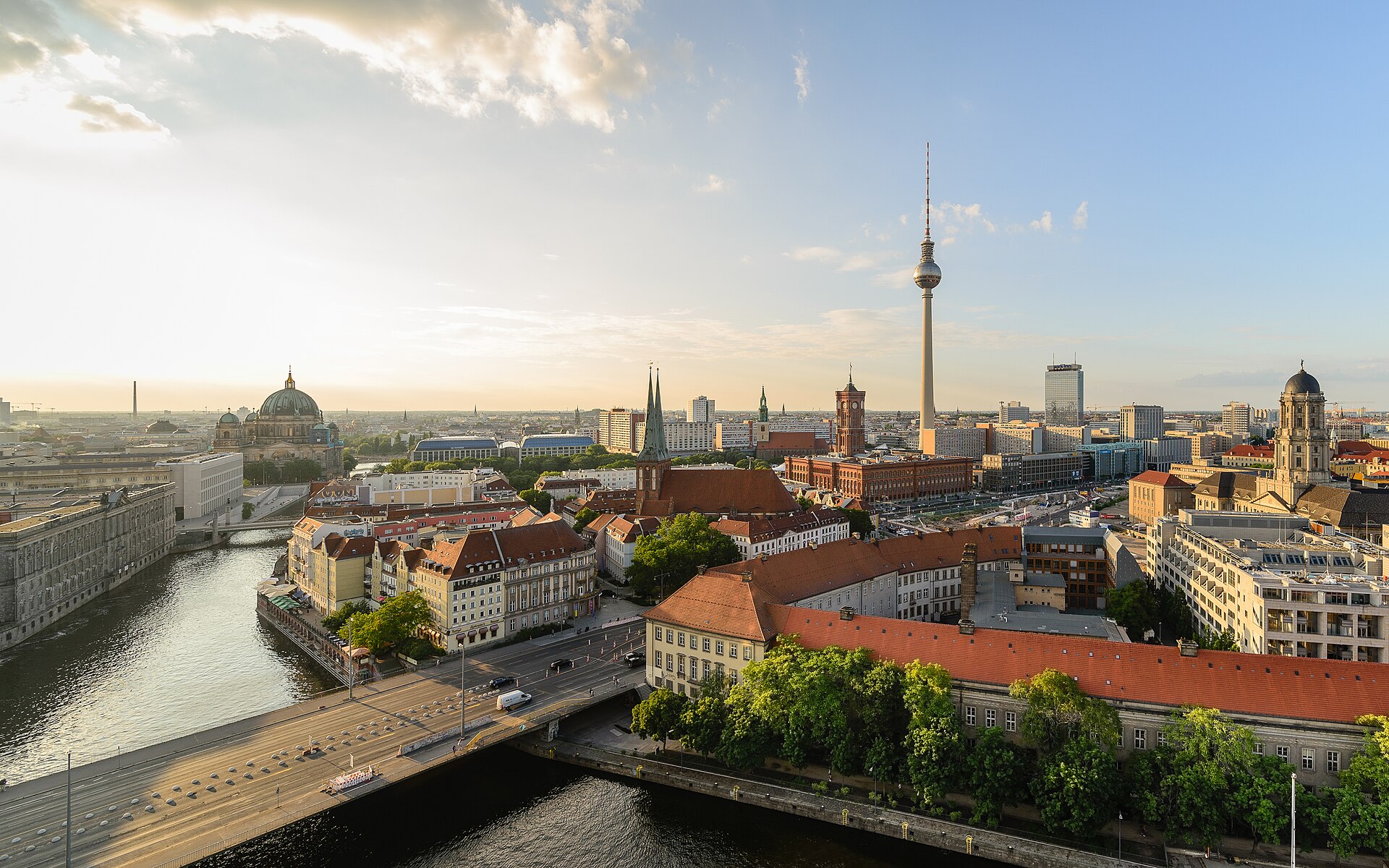
In this case, the penalties followed pyro displays during the DFB-Pokal final between Bayern Munich and VfB Stuttgart. Reuters, citing a DFB statement, reported that Munich spectators ignited at least 70 flares and four firework batteries, with tracer elements and rockets launched as part of the display.
The DFB’s position after the incident was not framed as an attack on all supporter expression. The association said it welcomed vibrant fan culture, but not when the stands create the risk of interruptions or cancellations. That distinction is the core of the dispute.
For the DFB, a final is a test of control as much as a celebration. If smoke clouds the pitch or fireworks create safety concerns, the governing body is under pressure to show that the match is not being run by the most combustible part of the crowd.
The scene in Berlin
Bayern defeated VfB Stuttgart 3-0 in Berlin, but the images that followed the match were not only of goals, medals and celebrations. Reports from the final described heavy pyro use from both fan groups, with smoke affecting the playing surface and the broadcast view.
Bayern supervisory board member Uli Hoeneß was sharply critical afterward. According to reporting cited by Bavarian Football Works, Hoeneß said both sets of spectators went too far and that parts of the game were difficult to see, including for people watching on television.
His complaint mattered because it came from inside the winning club. Bayern had lifted the trophy, yet one of its most recognizable figures was saying the spectacle in the stands had damaged the spectacle on the field.
That is why this was not a simple “fans celebrated too hard” story. Flares produce smoke. Firework batteries and rockets introduce moving projectiles. In a packed stadium, that combination raises different questions than banners, chants or choreography.
A fan-culture fault line
German football has one of the strongest terrace cultures in Europe. Supporter groups help create the noise, color and identity that make Bundesliga and cup matches feel different from more sanitized sporting events.
For many ultras and organized fan groups, pyrotechnics are part of that visual language. They see coordinated flare displays as atmosphere, not vandalism. In their view, a sterile stadium is not safer in any meaningful cultural sense if it strips out the supporters who give the game its edge.
The opposing view is just as forceful. Regulators, broadcasters, families in the stands and many club officials argue that smoke and fireworks cross a line when they reduce visibility, delay play or expose nearby supporters to risk.
The DFB’s phrase about not allowing the stands to decide whether games are interrupted gets at the institutional fear. Once pyro becomes large enough to affect the match itself, it stops being background atmosphere and becomes a challenge to the authority running the event.
Why clubs pay
Fining Bayern Munich and VfB Stuttgart is consistent with how football bodies typically discipline supporter misconduct. Governing bodies often hold clubs responsible because clubs control ticketing, stewarding, stadium security planning and supporter liaison.
That approach is practical, but it is also controversial. A club can argue that it did not light a flare, did not bring fireworks through the gate and may not be able to identify every person involved. Yet the DFB can respond that without club responsibility, there is little incentive to prevent repeat incidents.
For Bayern, a fine is unlikely to create financial distress. For Stuttgart, the symbolic weight may matter more than the bottom-line damage. In both cases, the punishment tells the clubs that the DFB expects more than post-match condemnation.
The more difficult question is whether fines change behavior. If supporter groups view punishment as part of the cost of making a point, financial sanctions may harden attitudes rather than settle the issue. If clubs respond with tighter controls, that can create new friction with fans who already feel over-policed.
What remains unsettled
The latest reporting confirms the DFB imposed penalties, but the broader fallout is still less clear. It remains to be seen whether the clubs accept the sanctions, whether further action is taken against individual supporters, and whether stadium procedures change before the next major cup occasion.
There is also the political layer Hoeneß pointed toward when he called for firmer action from clubs, the DFB and politicians. That kind of language signals how quickly a football disciplinary issue can become a public-order debate in Germany.
The tension is unlikely to disappear. Fans want stadiums that feel alive. Authorities want matches that can be played, televised and attended without smoke, rockets or stoppage threats. Clubs sit in the middle, needing both passionate support and regulatory trust.
The DFB-Pokal final delivered a clean scoreline for Bayern Munich, but the aftermath is messier. Bayern and Stuttgart now have fines attached to a match that was supposed to be remembered for football. Instead, the lasting image may be the smoke hanging over Berlin — and the unresolved argument it left behind.








Leave a Reply