
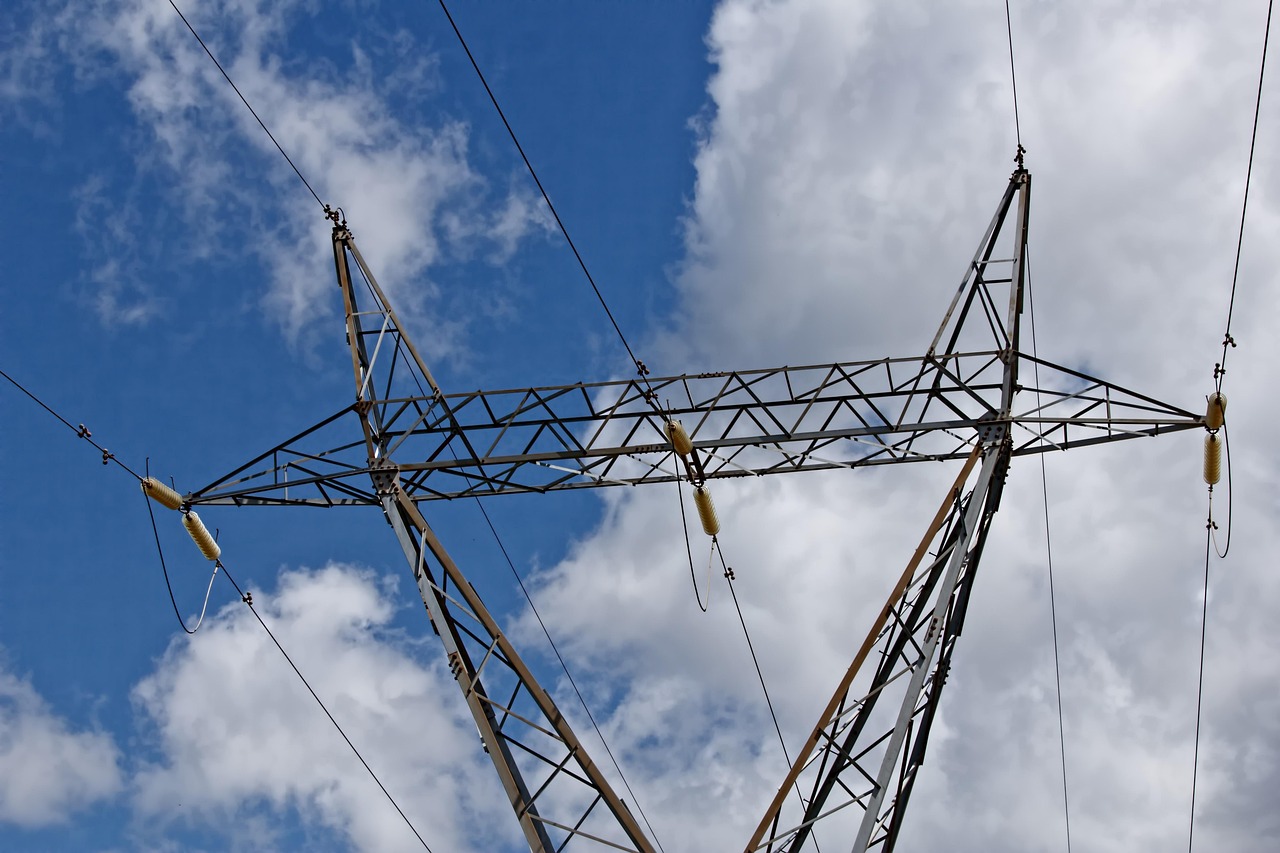
The outage is more than an electricity failure. It lands at the center of a fight over sanctions, fuel shipments, Cuba’s power structure and public frustration.
Cuba’s nationwide blackout was not just a night without lights. It was a reminder that the island’s power crisis has become one of its most visible political emergencies.
The outage hit as Cuba faces deep fuel shortages, a strained electrical grid and mounting pressure from Washington. For ordinary Cubans, the argument over who is to blame matters less than the daily reality: food spoils, phones die, hospitals strain and patience runs thin.
The lights failed nationwide
Cuba suffered a nationwide blackout on Monday, according to CNN, which reported that the island is facing an ongoing energy crisis worsened by what it described as an effective U.S. blockade on fuel shipments.
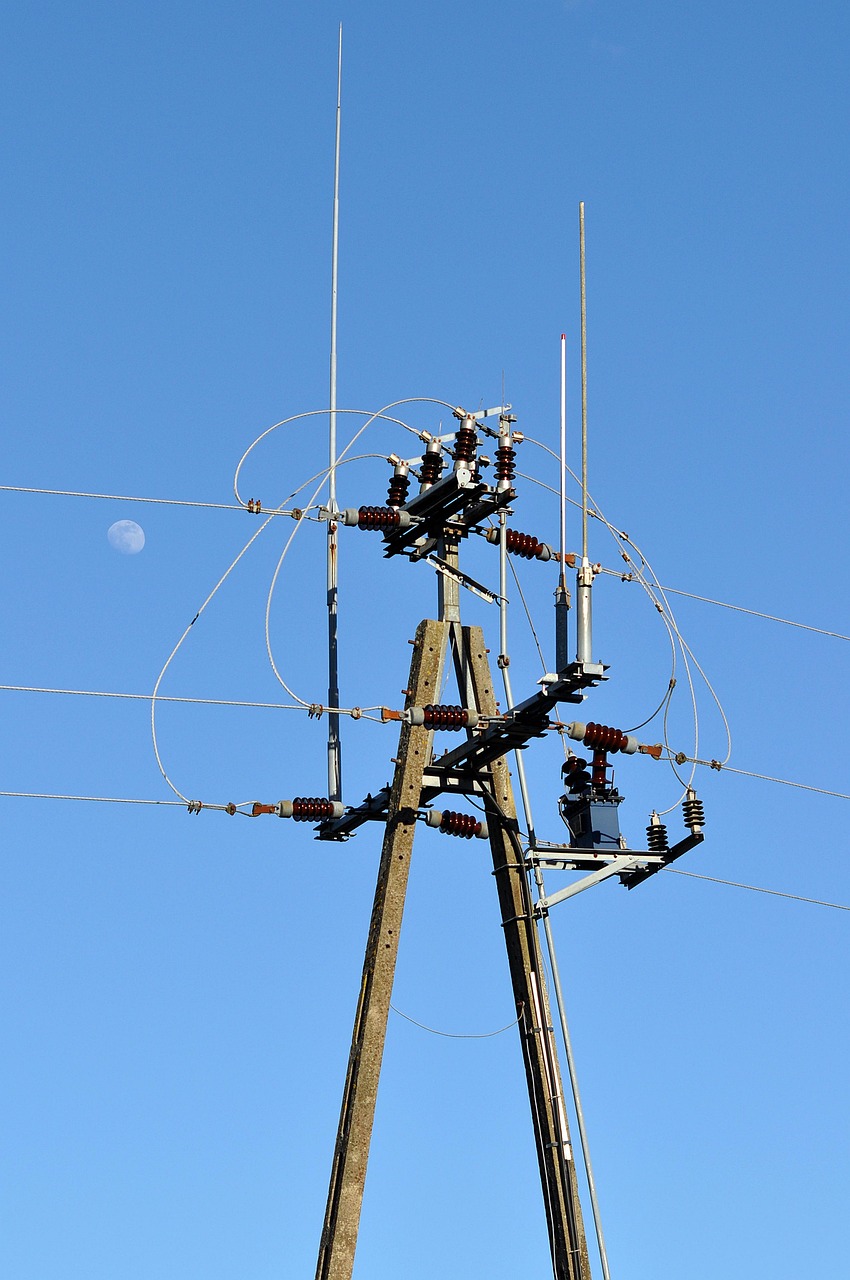
The Indian Express described the outage as a total grid collapse that came as fuel shortages deepened. It also reported that Cuban President Miguel Díaz-Canel accused Washington of trying to force a “social explosion” on the island.
That phrase captures the political stakes. In Cuba, power cuts are not merely technical failures. They touch food security, public health, transportation, internet access and confidence in the state.
Even short outages can be disruptive. A nationwide failure carries a heavier message: the system is operating close to the edge, and each shock exposes how little margin remains.
Fuel is the immediate squeeze
Cuba’s electrical system depends heavily on fuel to keep power plants running. When fuel shipments are delayed, reduced or blocked, the grid becomes harder to stabilize.
That is why the blackout cannot be understood only as a blown transformer or a local failure. The problem sits at the intersection of supply, maintenance and money.
Old power plants require constant repairs. Fuel must arrive on time. The government must have enough hard currency to pay suppliers, move cargo and keep backup systems operating.
When one piece fails, the strain spreads. When several fail at once, rolling outages can become a national collapse.
Washington is part of the fight
The United States has maintained an economic embargo on Cuba since the 1960s. CNN noted that this long-running pressure remains part of the island’s current crisis, especially around fuel access.
The Trump administration has also sharpened its public focus on Cuba’s ruling structure. The BBC reported that U.S. pressure has targeted the island’s political and military elite, including the military-linked conglomerate GAESA.
Secretary of State Marco Rubio, in a video message cited by the BBC, said Cuba is controlled by GAESA, calling it a “state within a state.” That framing signals that Washington is not only pressuring Havana over policy. It is trying to identify and isolate the people and institutions it sees as holding real power.
Havana rejects that view and has long argued that U.S. sanctions are designed to suffocate the economy. The blackout gives Cuban officials another example to point to when they say outside pressure is worsening daily life.
Havana faces hard questions too
U.S. pressure is a major factor, but it does not answer every question about Cuba’s energy crisis.
The country’s grid has been vulnerable for years. Investment has lagged. Maintenance needs are enormous. Imports are costly. State-run systems often move slowly, and the public has little clear visibility into how decisions are made.
The BBC’s reporting on Cuba’s power structure points to another problem: opacity. President Díaz-Canel formally leads the country and the Communist Party, but the Castro family name, the military and security institutions continue to carry enormous influence.
That makes accountability difficult. When the lights fail, Cubans hear competing explanations about sanctions, sabotage, fuel shortages and technical breakdowns. What they often do not get is a clear plan that tells them when power will return and how the next collapse will be prevented.
Ordinary Cubans absorb the shock
For people living through the blackout, the debate over embargo language and elite power networks can feel distant.
The immediate questions are practical. Can a family keep medicine cold? Can a shop preserve food? Can students study? Can hospitals run equipment? Can people charge a phone long enough to hear from relatives?
Power failures also make everyday scarcity worse. If refrigeration fails, food losses rise. If pumps stop working, water access can be disrupted. If transport systems slow, workers lose time and income.
That is why blackouts can become political so quickly. They turn abstract frustration into something physical: heat, darkness, spoiled meals and silence from dead devices.
The next test is stability
The first question is how quickly Cuba can restore power across the country and keep it stable. The larger question is whether the grid can avoid repeated collapses without more reliable fuel supplies and major investment.
There is also a diplomatic test. If Washington continues tightening pressure on fuel and financial channels, Havana will likely keep blaming U.S. policy for worsening conditions. If Cuba’s government cannot improve service, public anger may keep rising regardless of who is blamed.
The blackout puts both sides in a difficult position. U.S. officials say they are targeting Cuba’s ruling system, not ordinary people. Cuban officials say U.S. pressure is directly hurting ordinary people. In a blackout, that distinction can disappear fast.
For now, the clearest fact is the simplest one: a country went dark, and its energy crisis has become a proxy for a much bigger struggle over power, pressure and survival.



Leave a Reply