

The latest war signals point in opposite directions: Kyiv is keeping military pressure on Russian-held Crimea while Washington tries to turn leader-to-leader calls into a path toward a deal.
A reported Ukrainian strike on Crimea has landed at a delicate moment for Ukraine diplomacy, with Volodymyr Zelensky and Vladimir Putin both said to have spoken with Donald Trump as Washington tries to keep a peace effort alive.
The timing matters. Crimea is not a side issue in this war; it is one of its original flashpoints, a heavily militarized Russian-held peninsula, and a symbol of why any ceasefire or peace framework remains so hard to lock down.
Crimea raises the stakes
The Independent reported in live coverage that Kyiv struck Crimea as Zelensky and Putin spoke to Trump. The available reporting did not establish a full public account of the target, damage or casualties, and claims from active war zones often take time to verify independently.
Even with those limits, the location is significant. Crimea was seized and annexed by Russia in 2014 after Russian forces took control of the peninsula and a disputed local referendum followed. Ukraine and its Western partners do not recognize Moscow’s annexation.
For Kyiv, strikes linked to Crimea are part of a broader effort to pressure Russian military infrastructure beyond the immediate front lines. For Moscow, attacks there are treated as a direct challenge to territory it claims as its own, even though that claim is rejected by Ukraine and many governments.
That is why a Crimea strike carries diplomatic weight. It signals that Ukraine is not simply waiting for negotiations to define the next phase of the war.
Trump’s calls meet battlefield reality
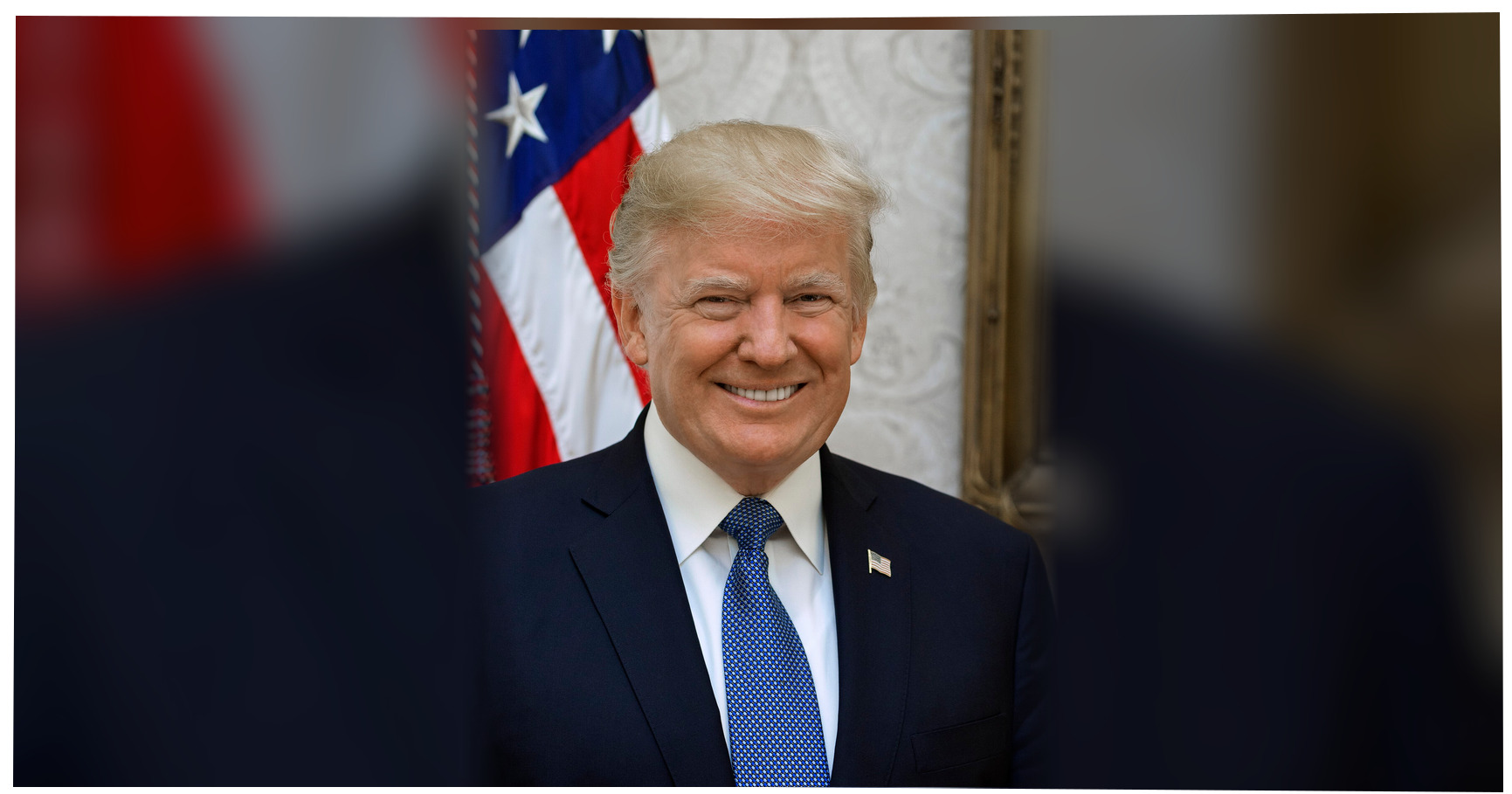
The reported contacts with Trump put the military news in a sharper frame. The Independent’s topic feed described Trump as offering to be a peacemaker during a 90-minute call with Putin, while the same live-news framing pointed to Zelensky also speaking with Trump.
Leader calls can generate headlines quickly. They rarely settle the hard questions underneath: borders, security guarantees, occupied territory, sanctions, reconstruction, prisoner exchanges and the future shape of Ukraine’s defenses.
The Council on Foreign Relations’ Global Conflict Tracker says the Trump administration had pledged to seek a settlement and set out a 20-point draft peace deal with a June deadline. CFR reported that Ukraine accepted the proposal after discussions, but that many terms, including territorial concessions and security guarantees, remained unclear.
That uncertainty is the core tension. A phone call can create diplomatic momentum, but Ukraine’s battlefield decisions show Kyiv still sees military pressure as essential to any negotiating position.
Why Crimea is never separate
Crimea is often discussed apart from the trench lines in eastern and southern Ukraine, but the war’s modern arc runs through the peninsula. CFR’s background account traces the current conflict back to 2014, when unrest in Kyiv was followed by Russia’s seizure and annexation of Crimea, then the eruption of armed conflict in Donetsk and Luhansk.
Russia’s full-scale invasion in February 2022 widened that war dramatically, bringing missile strikes, occupation, mass displacement and a grinding front line. Yet Crimea remained central, both as a military platform for Russian operations and as a political red line for the Kremlin.
That makes any discussion of territorial compromise explosive. Ukraine has consistently insisted its internationally recognized borders include Crimea. Russia has treated the peninsula as settled Russian territory, despite the international rejection of its annexation.
Any Trump-led peace effort would therefore face a basic problem: the piece of land Moscow is least likely to give up is also the place Kyiv is least willing to abandon as a matter of sovereignty.
The war’s scale limits easy deals
The diplomatic push is taking place against a war whose costs are already enormous. CFR reported in June 2026 that Russia still occupies roughly 20 percent of Ukraine, after gaining almost 5,000 square kilometers of territory in 2025.
The same tracker said fighting and air strikes had caused nearly 56,000 civilian casualties, with 3.7 million people internally displaced and 5.9 million registered as refugees. It also estimated that 10.8 million people need humanitarian assistance.
Those figures explain why pressure for a deal is intense. They also explain why a rushed or vague agreement could be politically dangerous for Ukraine. A ceasefire that freezes Russian gains without credible security guarantees could leave Kyiv exposed to another round of fighting later.
Western support is another part of the calculation. CFR estimated that since January 2022, Ukraine had received about $188 billion in aid from the United States and $197 billion from the European Union. Any shift in Washington’s approach affects not only diplomacy, but Ukraine’s ability to sustain its defense.
Moscow’s position remains hard
Russia has also signaled limits on what it may accept. CFR reported that Moscow said it would not agree to an amended deal that departs from the “spirit and letter” of Putin’s August summit with Trump in Alaska.
That phrasing leaves plenty unsaid, but it suggests Russia is trying to lock negotiations around terms it believes were already established at the leader level. Ukraine, meanwhile, is unlikely to accept language that appears to validate Russian territorial control without meaningful protections and guarantees.
This is where the Crimea strike and the Trump calls intersect. If Moscow believes it can wait for favorable political terms, Ukrainian attacks on high-value Russian-held areas complicate that confidence. If Kyiv believes diplomacy could pressure it toward concessions, continued military action can demonstrate agency.
Neither side is negotiating in a vacuum. Every strike, every public statement and every phone call becomes part of the bargaining environment.
What to watch next
The immediate questions are factual and diplomatic. Ukrainian and Russian officials may release competing claims about the Crimea strike, and independent verification may lag behind. Readers should be cautious about early casualty or damage figures unless confirmed by credible outlets or official evidence.
The bigger question is whether Trump’s conversations with Zelensky and Putin produce a concrete next step. That could mean another round of talks, a revised peace framework, pressure on allies, new security guarantees, or a public breakdown over disputed terms.
Three issues will matter most in the days ahead:
- Territory: whether any proposal addresses Crimea and other occupied areas directly or leaves them vague.
- Security guarantees: whether Ukraine is offered enforceable protection against a renewed Russian attack.
- Military aid: whether Washington’s peace push changes the flow or conditions of support for Kyiv.
The reported Crimea strike is a reminder that the war is still being shaped on the ground, not just in calls between presidents. Diplomacy may be moving, but the battlefield is still setting the price of every possible deal.







Leave a Reply