
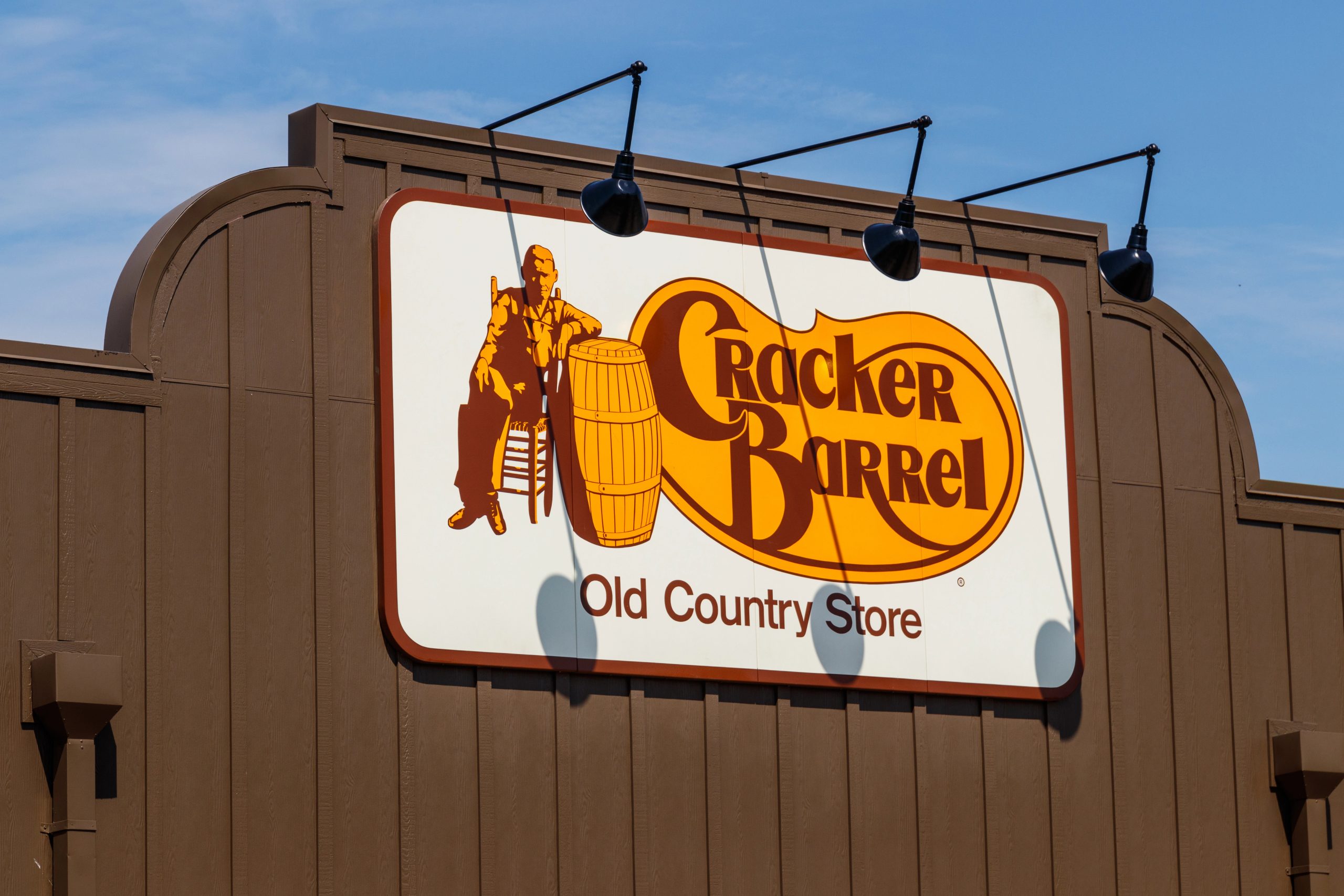
The chain’s leadership change lands after a failed rebrand touched a nerve with customers and raised bigger questions about how much an iconic restaurant can modernize without alienating loyal guests.
Cracker Barrel CEO Julie Masino is stepping down, and the departure follows a controversial logo redesign, activist pressure and a bruising debate over the chain’s identity. Cracker Barrel said Monday that David Deno will replace her on Aug. 10, after Masino oversaw the much-criticized 2025 logo redesign.
The move gives Cracker Barrel a new leader before August ends and a chance to reset with customers, investors and employees. Masino will remain in an advisory role until Oct. 9 to help with the transition, according to the company’s announcement.
Deno takes over Aug. 10
Deno arrives with deep restaurant-industry experience. He most recently served as chief executive of Bloomin’ Brands, the parent company behind Outback Steakhouse and other chains.
In a statement Monday, Deno called Cracker Barrel “a truly iconic American brand” and pointed to its “warm country hospitality,” “timeless appeal” and connection with guests across generations. That language was not accidental. The next CEO is inheriting a company whose biggest recent problem was not just sales, menus or store traffic, but trust.
Masino’s departure will not be immediate. Cracker Barrel said she will stay on temporarily as an adviser through Oct. 9, giving Deno a short handoff period as he assumes the top job.
The company did not frame the succession as a firing tied directly to the logo fight. Still, the timing is hard to separate from the backlash that followed one of the most visible brand changes in the chain’s history.
A logo became a flashpoint
The 2025 redesign drew sharp criticism because it removed one of Cracker Barrel’s most familiar images: the man in a chair leaning against a barrel. The figure was based on Uncle Herschel, the uncle of restaurant founder Dan Evins, and had long been part of the chain’s country-store persona.
For some customers, the change looked like a routine modernization. For others, it felt like the company was sanding down the very thing that made Cracker Barrel recognizable.
The reaction quickly moved beyond design blogs and social media chatter. CBS News reported that the outcry was followed by a drop in the restaurant chain’s value of almost $100 million. Cracker Barrel later acknowledged the rebrand had been a misstep and said it would keep the original logo.
That reversal made the logo episode more than a cosmetic mistake. It became a public lesson in how attached diners can be to visual symbols, especially for a chain built around nostalgia, road trips, rocking chairs and old-country-store cues.
Modernization met loyal resistance
Masino joined Cracker Barrel as CEO in 2023 after serving as president of Taco Bell’s international operations. She arrived with a mandate to make the brand more competitive and relevant at a time when casual dining chains have been fighting for value-conscious customers.
She also oversaw a menu overhaul. At one point, Masino described Cracker Barrel as “not as relevant as we once were,” a blunt assessment that captured the strategic challenge facing the company.
That challenge is real. Legacy chains often need to update food, pricing, store experience and marketing to win younger customers. But Cracker Barrel’s appeal has always depended heavily on continuity. Guests do not just visit for pancakes, biscuits or chicken and dumplings. Many come for a familiar feeling.
That is where the tension sits. Investors may want sharper execution and a stronger growth story. Some customers want the chain to protect its old identity. Management has to satisfy both groups without making change look like abandonment.
Activist pressure raised the stakes
Masino’s exit also follows activist pressure, according to reports on the leadership change. Activist investors typically push companies to alter strategy, improve performance, refresh boards, cut costs or return more value to shareholders.
In a brand-driven business like Cracker Barrel, those demands can collide with customer sentiment. A restaurant chain can remodel stores, simplify operations and rework menus on paper. It is harder to change the emotional contract customers believe they have with a place.
The logo controversy gave critics a powerful symbol. To supporters of the redesign, the reaction may have looked overblown. To opponents, it was proof that management was misreading the brand’s core audience.
Both views matter for Deno. If he moves too cautiously, investors may question whether Cracker Barrel can grow. If he moves too aggressively, he risks reigniting the same cultural and customer backlash that consumed the logo rollout.
Why this change matters
CEO changes at restaurant chains often come down to sales trends, margins and investor confidence. This one carries an added layer because the dispute centered on identity.
Cracker Barrel is not a blank-slate brand. Its restaurants are designed to feel familiar before guests even sit down. The front porch, retail store, old-fashioned signage and country décor all work together. When a company with that kind of heritage changes a core symbol, customers may read it as a statement about what the business values.
That does not mean Cracker Barrel can avoid change. The restaurant market is crowded, labor and food costs remain pressure points, and consumers continue to compare full-service meals with cheaper fast-food and at-home options. Standing still is also a risk.
Deno’s job will be to prove that modernization and preservation are not mutually exclusive. His statement leaned into the classic parts of the brand, but he also said he wants to unlock its “full potential.” That phrase leaves room for operational changes, menu work and marketing shifts, even if the company is likely to be more careful with visible heritage markers.
What remains unsettled
The immediate succession plan is clear: Deno becomes CEO on Aug. 10, and Masino remains as an adviser until Oct. 9. What is less clear is how much of Masino’s broader strategy will survive the transition.
Cracker Barrel has already backed away from the logo redesign, but the company still has to decide how far to go with menu updates, store refreshes and efforts to attract new diners. A new CEO can slow, reshape or repackage those changes, but he cannot escape the underlying business question.
The lesson from the logo fight is not simply that customers dislike change. It is that customers dislike being surprised by changes that seem to alter the meaning of a beloved brand. For Cracker Barrel, the next phase will depend on whether Deno can make updates feel like care rather than correction.
Masino’s exit closes one chapter of a turbulent rebrand. It does not close the debate over what Cracker Barrel should become next.



Leave a Reply