
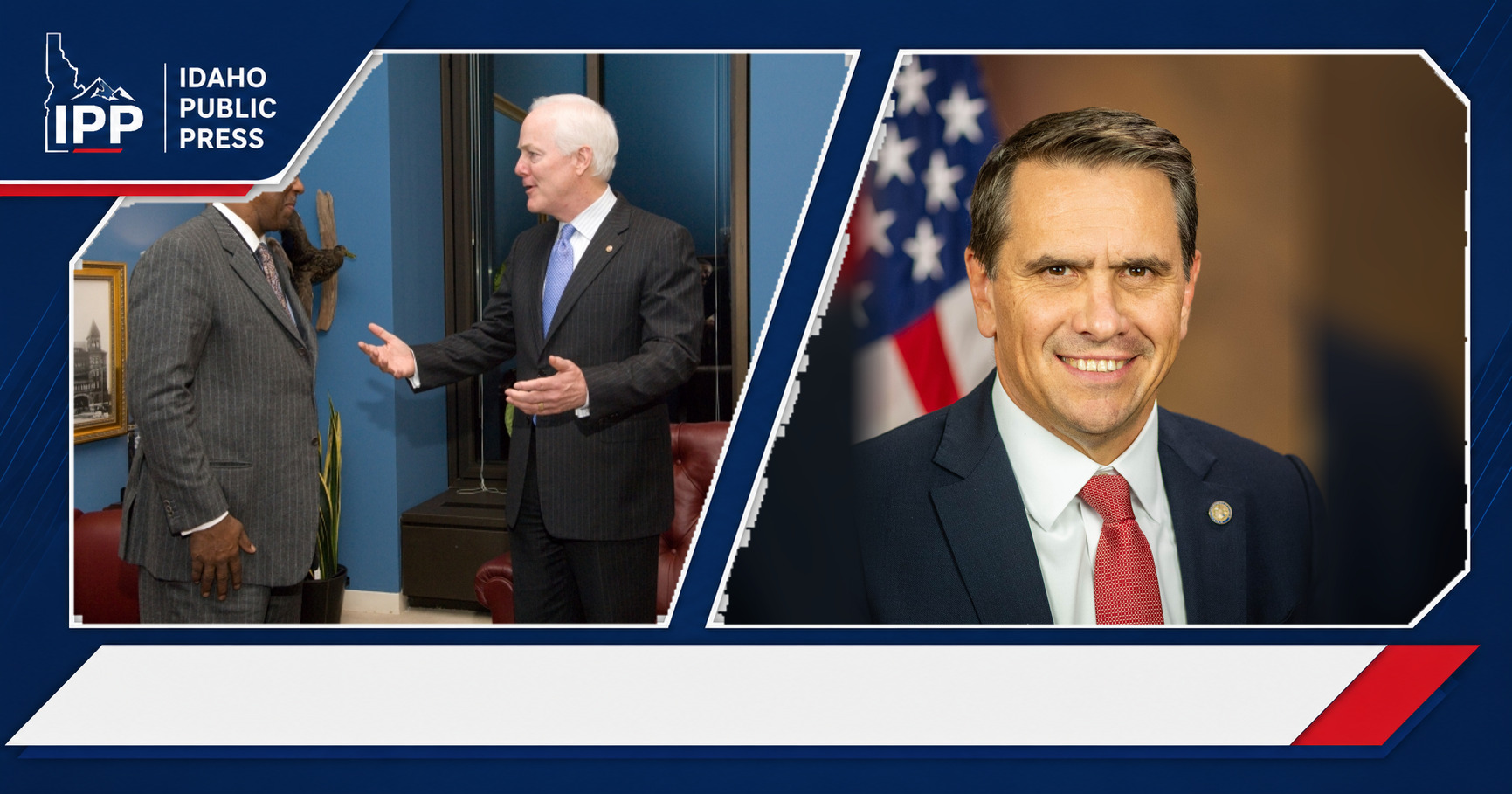
The fight is not just over Blanche himself. Cornyn and Thom Tillis want changes to a Trump-DOJ settlement they say could still allow a disputed compensation fund to return later.
John Cornyn says there is no deal on Todd Blanche’s attorney general nomination, and the Senate confirmation process is still unresolved as the U.S. Senate Judiciary Committee could consider Blanche’s nomination Thursday. The Texas Republican posted Tuesday on X that reports of a deal were wrong: “They know what they have to do.”
Without Cornyn’s support, Blanche, the Trump administration’s acting attorney general, could be blocked in the Senate Judiciary Committee before his nomination reaches the full Senate. The fight now turns on whether the administration will revise settlement language tied to a disputed compensation fund.
Cornyn’s public warning
Cornyn’s message was blunt because it was aimed at a very specific audience: the Trump administration and the Justice Department. According to The Hill, Cornyn said Tuesday there was still no agreement that would clear the way for him to vote for Blanche’s nomination to serve as attorney general.
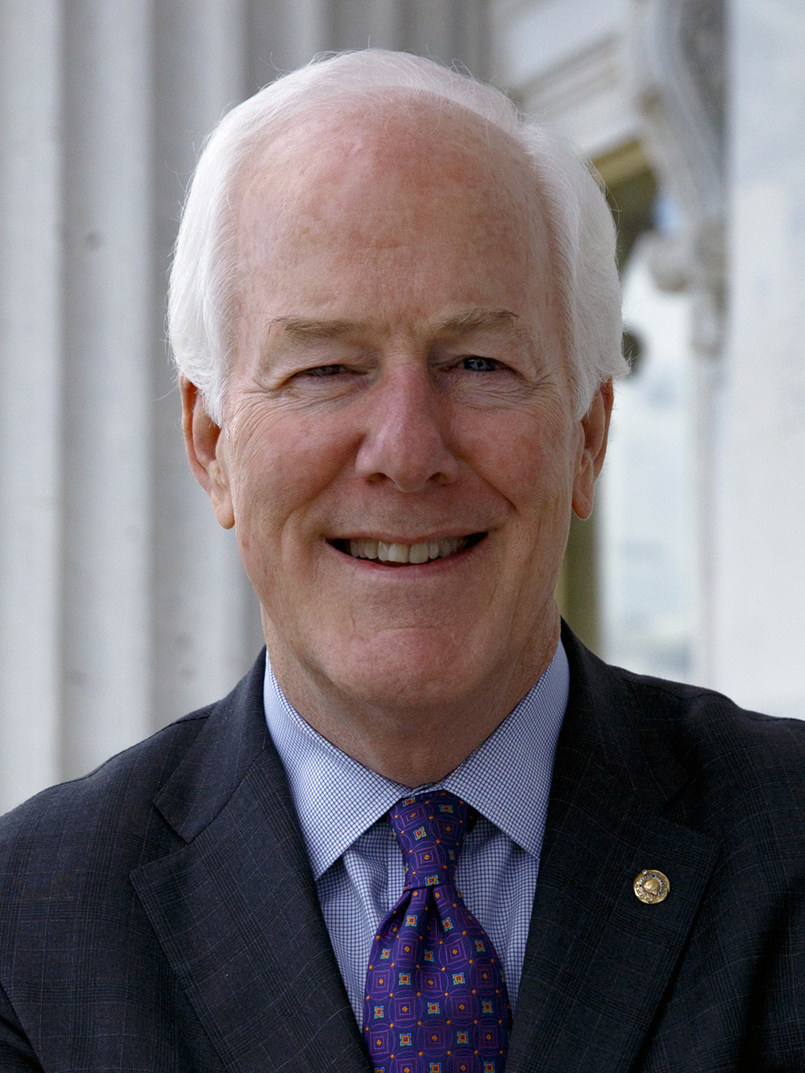
His X post pushed back on the idea that the problem had already been solved. “Fake news alert: there is no ‘deal’ on Blanche nom. They know what they have to do,” Cornyn wrote, according to The Hill.
That matters because Cornyn is not a back-bench protest vote. He is a senior Republican on the Judiciary Committee, the panel that first decides whether a nominee gets sent to the full Senate. If Blanche cannot get out of committee, his path becomes far more difficult even before a floor fight begins.
The settlement behind the standoff
The dispute is not only about Blanche’s résumé or his answers at a confirmation hearing. Cornyn and Sen. Thom Tillis, another Republican on the Judiciary Committee, are pressing the Department of Justice to renegotiate a settlement with President Donald Trump.
At issue is language tied to a proposed $1.8 billion “anti-weaponization” fund. The fund was described as a way to compensate people who say they were unfairly prosecuted during the Biden administration. Cornyn and Tillis want the documents to state clearly that the federal government will not create such a fund.
Blanche has repeatedly told senators that the proposed compensation fund is dead and will not return, according to The Hill. Cornyn’s objection is that the fund, even if politically abandoned, still remains on paper as part of the settlement.
For Cornyn, that distinction is the whole fight. A verbal assurance from a nominee is one thing; binding text in a settlement is another.
What Cornyn wants changed
Cornyn has framed the fix as narrow: make the documents match Blanche’s testimony. He told reporters the settlement should conform to Blanche’s statements that the weaponization fund is dead, that immunity from future audits does not extend beyond the parties to the lawsuit, and that the settlement was not meant to release further actions by agencies other than the IRS.
That is a technical-sounding demand with major political consequences. If the administration changes the settlement language, Cornyn and Tillis could claim they forced a guardrail into the deal. If it refuses, Blanche’s nomination could become the pressure point.
The senators have also argued that rewriting the settlement would be easier than passing legislation to bar creation of such a fund. Legislation would require a broader congressional fight. A settlement change could be handled inside the executive branch and the legal process around the deal.
The open question is whether the Trump administration views that as a reasonable cleanup or as a concession to Senate Republicans who are threatening one of its own nominees.
Why Blanche is vulnerable
Blanche’s position is unusual because he is both the nominee and the administration official answering for the settlement. As acting attorney general, he is tied directly to the Justice Department’s handling of the matter. As nominee, he needs senators to believe his assurances are enough.
That dual role gives Cornyn and Tillis leverage. They can say they are not rejecting Blanche personally while still refusing to advance him unless the underlying documents change.
The Judiciary Committee dynamic also raises the stakes. Republican opposition inside the committee can be enough to stall a nomination, depending on attendance, party lineup and how the chair handles the vote. The Hill reported that Blanche could get stuck in the panel if Cornyn withholds support.
That is why Cornyn’s phrase — “They know what they have to do” — landed as more than a social media jab. It was a public statement of conditions before Thursday’s scheduled committee vote.
The Trump lawsuit connection
The settlement at the center of the fight arose from Trump’s $10 billion lawsuit against the IRS over the leak of his and the Trump Organization’s tax records to the media. The Justice Department announced the creation of a $1.776 billion compensation fund in May as part of the settlement, according to The Hill.
The settlement also included a pledge from the IRS that it would no longer pursue Trump, members of his family or his businesses over unpaid taxes connected to returns filed before the deal’s effective date.
A former IRS contractor was sentenced to five years in prison for the leak, according to The Hill. That criminal case is separate from the Senate fight now surrounding Blanche, but it explains why the IRS settlement carries political weight.
To Trump’s allies, the IRS leak and broader claims of “weaponization” are proof that government power was misused. To critics and skeptical Republicans, a federal compensation fund for political allies could create its own abuse-of-power problem unless its terms are clearly foreclosed.
What happens before Thursday
The immediate deadline is the Judiciary Committee’s scheduled Thursday vote. If the administration revises the settlement language before then, Cornyn and Tillis may have a path to support Blanche or at least stop blocking him in committee.
If nothing changes, Blanche faces a more uncertain outcome. The administration could try to negotiate privately, delay the committee action, or dare Republicans to oppose a Trump nominee in public.
The episode also shows how confirmation fights can become bargaining tables for disputes that are not formally part of the nomination. Blanche’s fate may depend less on whether senators believe he can run the Justice Department and more on whether they trust the administration to lock in what he has promised.
For now, Cornyn is saying trust is not enough. He wants the paper trail changed before the vote count changes.











Leave a Reply