
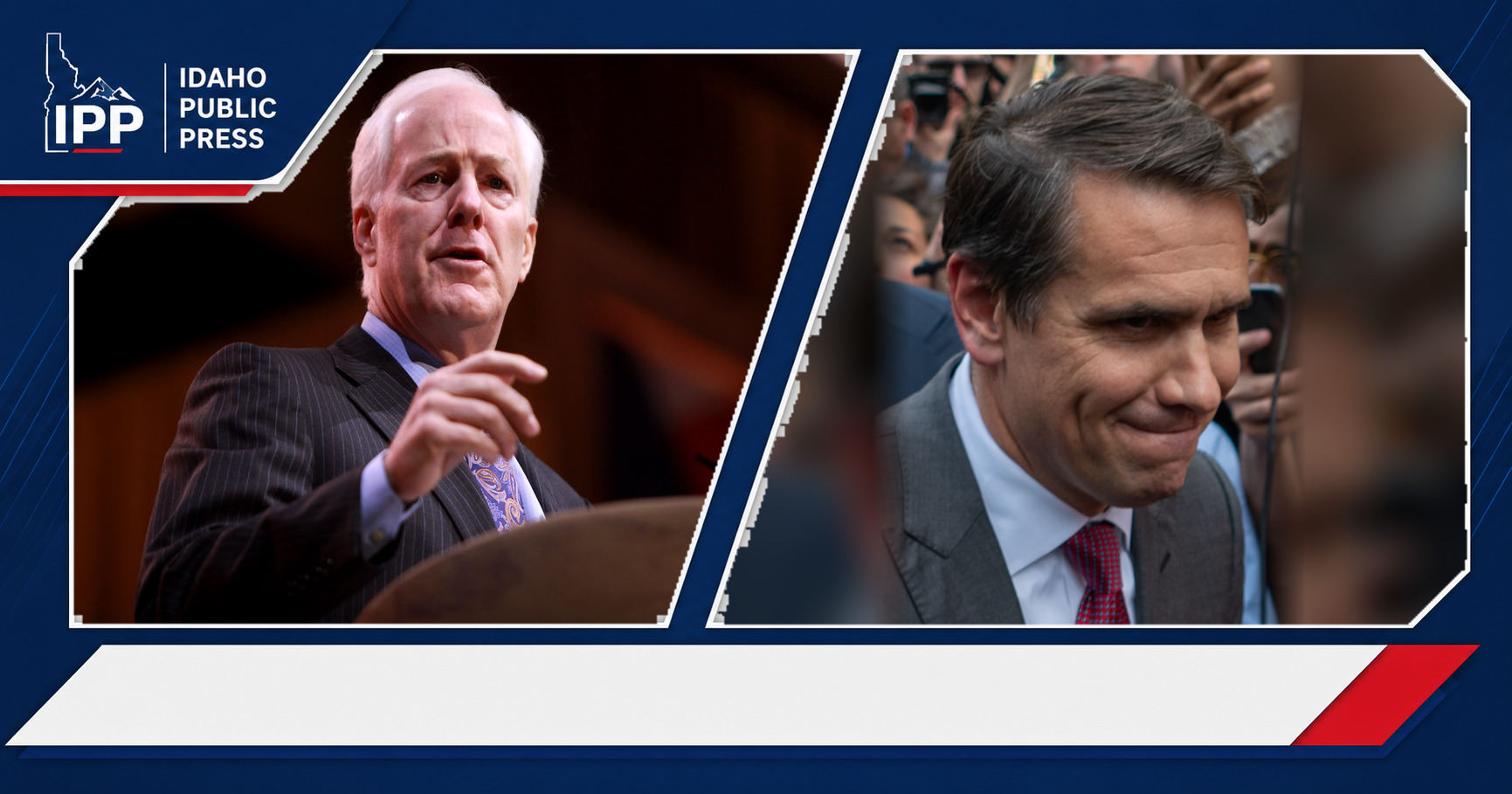
The Texas Republican’s public pushback signals that Todd Blanche’s path to confirmation is still unsettled. The standoff matters because a single unresolved GOP vote can reshape the timing and terms of a major Cabinet nomination.
John Cornyn said Tuesday there is no deal on Todd Blanche’s attorney general nomination, leaving Cornyn’s support still unresolved as the U.S. Senate approaches a key Thursday vote. Cornyn, a Texas Republican whose vote is needed to confirm Blanche, rejected the idea that the two sides had reached an agreement to advance the nomination.
The Blanche attorney general fight now turns on whether Senate Republicans and supporters of the nomination can satisfy Cornyn’s concerns without losing momentum. His message was short, but the signal was unmistakable: the votes are not locked down yet.
Cornyn punctures deal talk
According to Bloomberg, Cornyn posted on X that reports of a deal were wrong. His wording was blunt: “Fake news alert: there is no ‘deal’ on Blanche nom,” he wrote Tuesday. “They know what they have to do.”
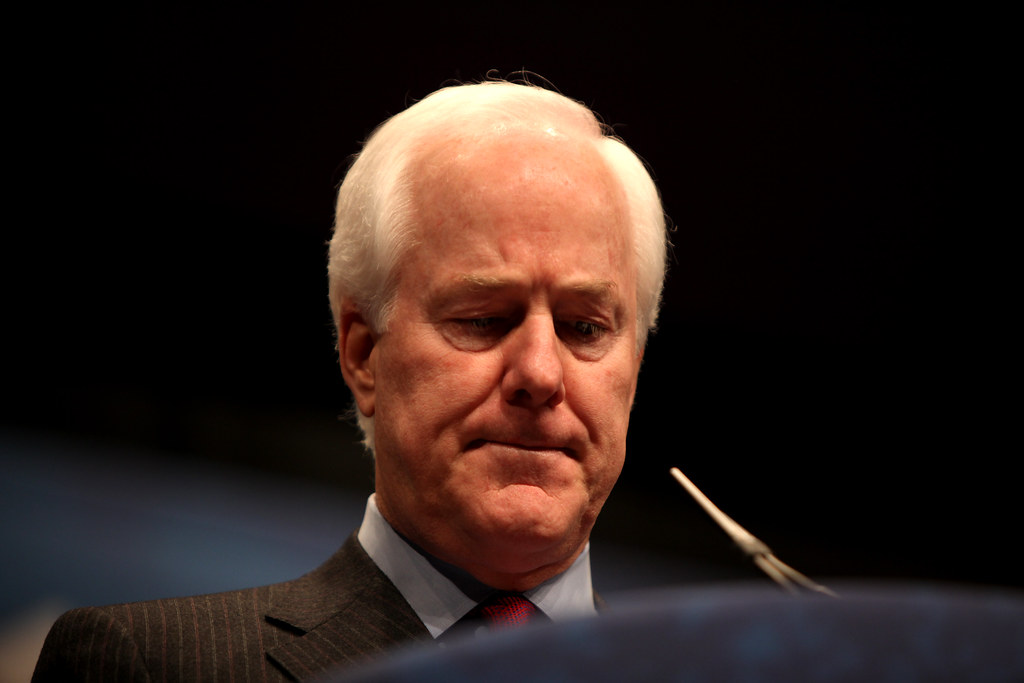
That sentence did more than deny an agreement. It suggested there are still conditions, demands or assurances Cornyn expects before he is willing to move into the yes column. The public record available so far does not spell out exactly what Cornyn wants.
For a nomination that appears close enough for one senator’s position to matter, that uncertainty is the story. A confirmation vote is not just a head count; it is a negotiation, and Cornyn is making clear he has not been satisfied.
Why Cornyn’s vote matters
Cornyn is not a back-bench senator drifting into a dispute. He is a senior Texas Republican, a former Senate GOP whip and a member who understands how much leverage comes from timing.
Bloomberg described Cornyn as a Republican senator whose vote is needed to confirm Blanche. That does not mean the nomination is doomed. It means the margin is tight enough that his support, or continued resistance, could affect whether the Senate can move ahead as planned Thursday.
In confirmation fights, senators sometimes use the final stretch to extract commitments from nominees, party leaders or the administration. Those commitments can involve policy, process, staffing, documents or future consultation. Cornyn’s post did not identify the issue, so any specific explanation would be speculation.
Still, the phrase “They know what they have to do” reads like a message aimed at negotiators, not at voters casually following Senate procedure. It says: the obstacle is known, and the ball is elsewhere.
Blanche’s Senate path so far
The White House sent Todd Blanche’s nomination to the Senate in June, identifying him as Todd Blanche of Florida, to be attorney general. That formally placed the nomination in the Senate confirmation process.
The Senate Judiciary Committee scheduled hearings on Blanche’s nomination in mid-July. Committee records list a hearing for Wednesday, July 15, 2026, at 9 a.m. in Hart Senate Office Building Room 216, with Blanche listed as the nominee to be attorney general of the United States.
A second day of the nomination hearing was scheduled for Thursday, July 16, immediately after an executive business meeting, also in Hart 216. The witness list for that session included former Attorney General John Ashcroft, former Justice Department Pardon Attorney Elizabeth Oyer, Epstein survivor and advocate Dani Bensky, Federal Law Enforcement Officers Association Foundation president Jon Adler and Jennifer Bos, identified as the mother of Megan Bos.
Those hearings provided the formal stage for senators to question the nominee and hear outside testimony. Cornyn’s Tuesday post shows that, even after that process, at least one critical Republican vote has not been publicly secured.
The message behind the denial
There are two ways to read Cornyn’s public denial. One is procedural: he may simply be correcting reports that negotiations had moved further than they had. In that view, the nomination is still active, the sides are still talking and Thursday remains the pressure point.
The other reading is more pointed. By posting publicly, Cornyn may be increasing pressure on the people trying to move Blanche’s nomination. If they thought his support was already banked, he made clear it was not.
Both readings can be true. Senators often prefer private negotiation, but public statements can reset expectations quickly. They also let a senator tell colleagues, interest groups and the administration that he has not signed off on the deal being described around him.
What remains missing is the substance. Cornyn has not, in the available reporting, laid out a detailed list of objections or demands. That leaves Blanche’s supporters with a political problem and readers with an incomplete picture of the underlying dispute.
The stakes for Justice
The attorney general is not an ordinary Cabinet post. The role leads the Justice Department, oversees federal law enforcement priorities and sits at the center of some of the most sensitive disputes in American government.
That is why attorney general nominations can carry more political weight than other confirmations. Senators are not just evaluating a résumé. They are deciding whether a nominee can run the Justice Department with independence, credibility and enough support to withstand partisan pressure.
Supporters of moving a nomination forward typically argue that an administration deserves its chosen leadership team unless a nominee is clearly unqualified or compromised. That is the basic deference presidents often seek from senators, especially when their party controls the chamber.
Skeptics, including holdouts within a president’s own party, can argue the opposite: the Senate’s advice-and-consent role means no nominee is entitled to confirmation without answering hard questions. Cornyn’s current posture fits that second pressure point, even though the precise reason for his stance has not been publicly detailed.
What could happen Thursday
The immediate calendar marker is Thursday’s key Senate vote. If negotiators resolve Cornyn’s concerns before then, Blanche’s nomination could regain a clearer path. If not, the vote could become a test of whether Republican leaders have another route to confirmation or need more time.
There are several possible outcomes. Cornyn could announce support after receiving whatever assurance he is seeking. Senate leaders could delay action while negotiations continue. Or the nomination could proceed into a vote with uncertainty still hanging over the result.
For now, the most important fact is the one Cornyn himself supplied: there is no deal, at least not one he recognizes. That matters because the Senate’s confirmation process often turns on exactly this kind of unresolved final-stage leverage.
Blanche’s nomination is not over. But Cornyn’s Tuesday post makes clear it is not settled, either. Until the Texas Republican moves, or the people he is addressing do what he says they already know they must do, Thursday’s vote remains a live negotiation rather than a formality.











Leave a Reply