
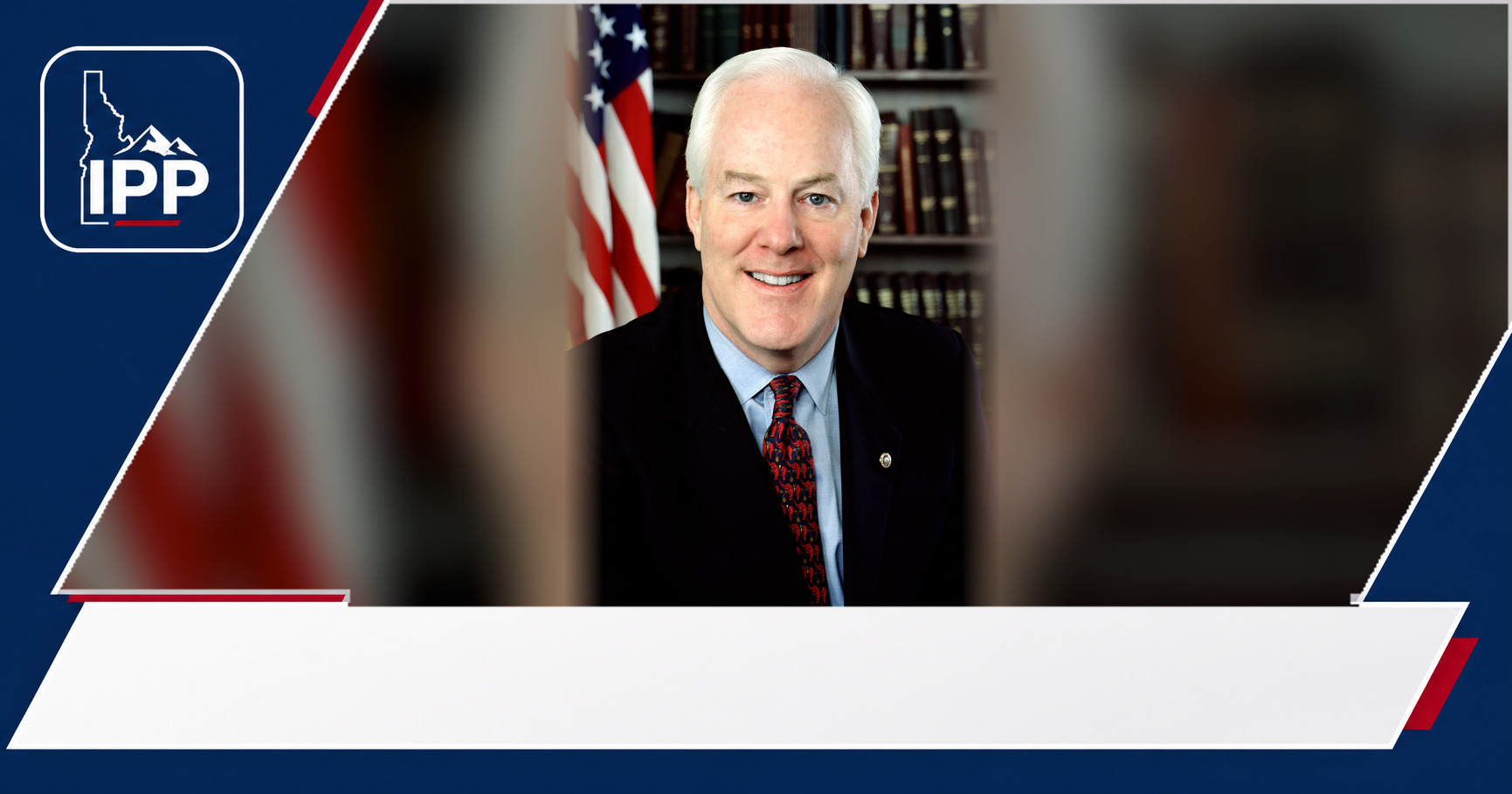
The Texas Republican’s denial shows that Blanche’s path through the Senate is not settled, even as the White House highlights law enforcement support for the nominee.
GOP senator John Cornyn of Texas denied there is any deal in Washington to confirm Todd Blanche as attorney general, Donald Trump’s AG pick, saying Tuesday that no agreement has been reached before a key Senate vote expected Thursday. The Senate confirmation fight matters because Cornyn’s support is described as needed, and he said senators “know what they have to do.”
The public pushback punctures any impression that Blanche’s confirmation is already locked down. It also puts fresh attention on what, exactly, Republican holdouts or skeptics want before the vote.
Deal talk hits a wall
Cornyn’s message was blunt. “Fake news alert: there is no ‘deal’ on Blanche nom,” he posted on X Tuesday, according to Bloomberg. “They know what they have to do.”
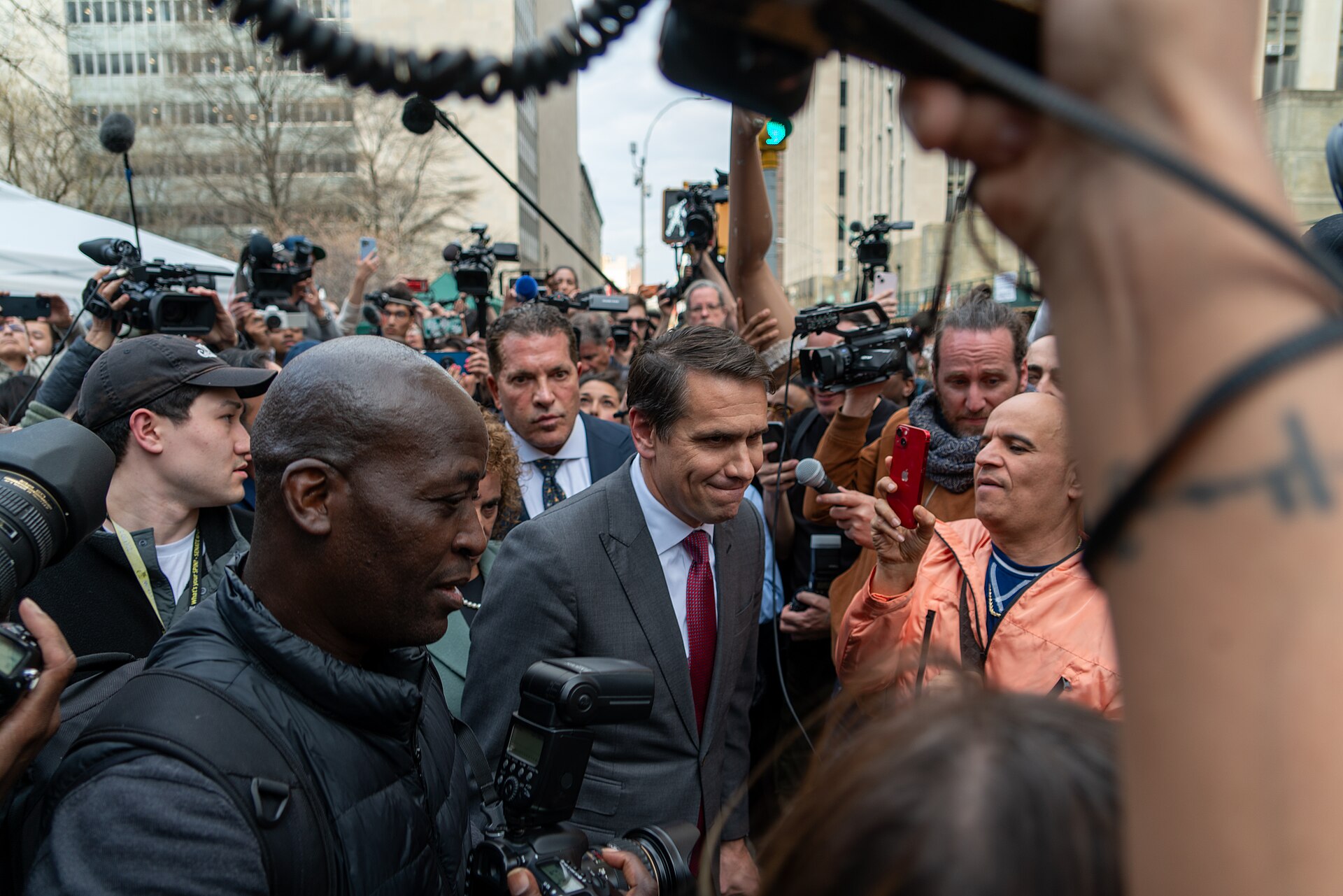
That statement came after reporting that the two sides had not yet reached an agreement that would secure his support ahead of Thursday’s vote. The key point is not simply that Cornyn objected to the word “deal.” It is that he publicly framed the nomination as unfinished business.
In Senate confirmation fights, public denials like this can serve several purposes. They can correct inaccurate reporting, preserve negotiating room, or signal that a lawmaker is not ready to be counted as a yes. Cornyn’s wording leaves room for all three readings.
What it does not do is clarify what must change before Thursday. The phrase “They know what they have to do” suggests demands or expectations exist, but neither Cornyn’s quoted post nor the available reporting spells them out.
Why Cornyn’s vote matters
Bloomberg described Cornyn as a Republican senator whose vote is needed to confirm Blanche. That turns a short social media post into a pressure point for the White House and Senate Republicans.
Presidential nominees can move quickly when the majority party is unified. They can also stall when even a small number of senators withhold support, seek commitments, or object to the process. The attorney general role raises the stakes because the position sits atop the Justice Department, one of the most politically sensitive agencies in the federal government.
For Trump, confirming an attorney general is not just another personnel matter. The job carries authority over federal law enforcement priorities, litigation positions, criminal justice policy, and the relationship between the Justice Department and the White House.
For senators, that makes the confirmation vote a test of judgment and independence as much as party loyalty. Even senators inclined to support a president from their own party may want answers before they cast a vote.
The White House’s Blanche pitch
The White House has been making a very different case: that Blanche is qualified, supported by law enforcement groups, and ready to lead the Justice Department.
In a June 16 release, the White House said Trump’s nominee had secured “strong endorsements” from law enforcement organizations, state attorneys general and public officials. The release described Blanche as a veteran prosecutor and defense attorney who had served as Deputy Attorney General and Acting Attorney General.
The White House also quoted several groups backing the nomination, including the Fraternal Order of Police, the International Association of Chiefs of Police, the Major Cities Chiefs Association, the National Association of Police Organizations, the Major County Sheriffs of America and the Western States Sheriffs’ Association.
Those endorsements give supporters a clear argument: Blanche has institutional law enforcement support and, in the administration’s telling, a record focused on public safety, violent crime, fraud, drug cartels and transnational gangs.
What the denial signals
Cornyn’s denial does not necessarily mean Blanche is doomed. It does mean the White House cannot treat every Republican vote as automatic, at least not publicly.
That distinction matters. In a polarized Senate, much of the real work around nominations happens before the floor vote: private meetings, requests for assurances, procedural timing, and negotiations over related issues. A senator can support a nominee in principle while still refusing to bless the path being offered.
There are also competing incentives. The White House wants momentum and the appearance of inevitability. Senators want leverage and the ability to say they reviewed the nominee on their own terms. Outside supporters want a swift confirmation. Critics or undecided lawmakers may want more scrutiny.
Cornyn’s “fake news” line pushes back against the idea that the process has been wrapped up behind closed doors. His follow-up line suggests the next move belongs to others, whether that means Senate leadership, the White House, Blanche’s team, or fellow senators.
The Thursday vote is the test
The key date is Thursday, when the nomination faces an important Senate vote. Until then, the status of Cornyn’s support remains the central uncertainty in the public record.
If Blanche has the votes by then, Cornyn’s post may be remembered as a negotiating marker: a public warning that no one should count his vote until final terms were clear. If the vote slips or support falls short, the post will look more like an early sign that the nomination was still in trouble.
Either way, the immediate story is not that a deal exists. It is that one of the senators whose support is needed says there is no deal, even as the administration and outside law enforcement groups press the case for confirmation.
That gap between public confidence and private vote-counting is where many nominations are decided.
Unanswered questions before the vote
Several basic questions remain unresolved. Cornyn has not publicly detailed what he wants. The reporting available so far does not identify the exact terms of any proposed agreement. It also does not establish whether other Republican senators share his concerns.
What is clear is that Blanche’s confirmation path is still being actively contested or negotiated. The White House has a roster of endorsements. Cornyn has a vote the nomination may need. Senate Republicans have a deadline approaching.
That is why a brief post on X landed with more force than its length suggests. It challenged the assumption that the outcome was already settled and reminded Washington that even in a president’s own party, confirmation votes can come with conditions.
The clean takeaway for now: there is no publicly confirmed deal to secure Todd Blanche’s confirmation as attorney general, and Thursday’s vote will show whether Cornyn’s warning was a speed bump or a real barrier.








Leave a Reply