
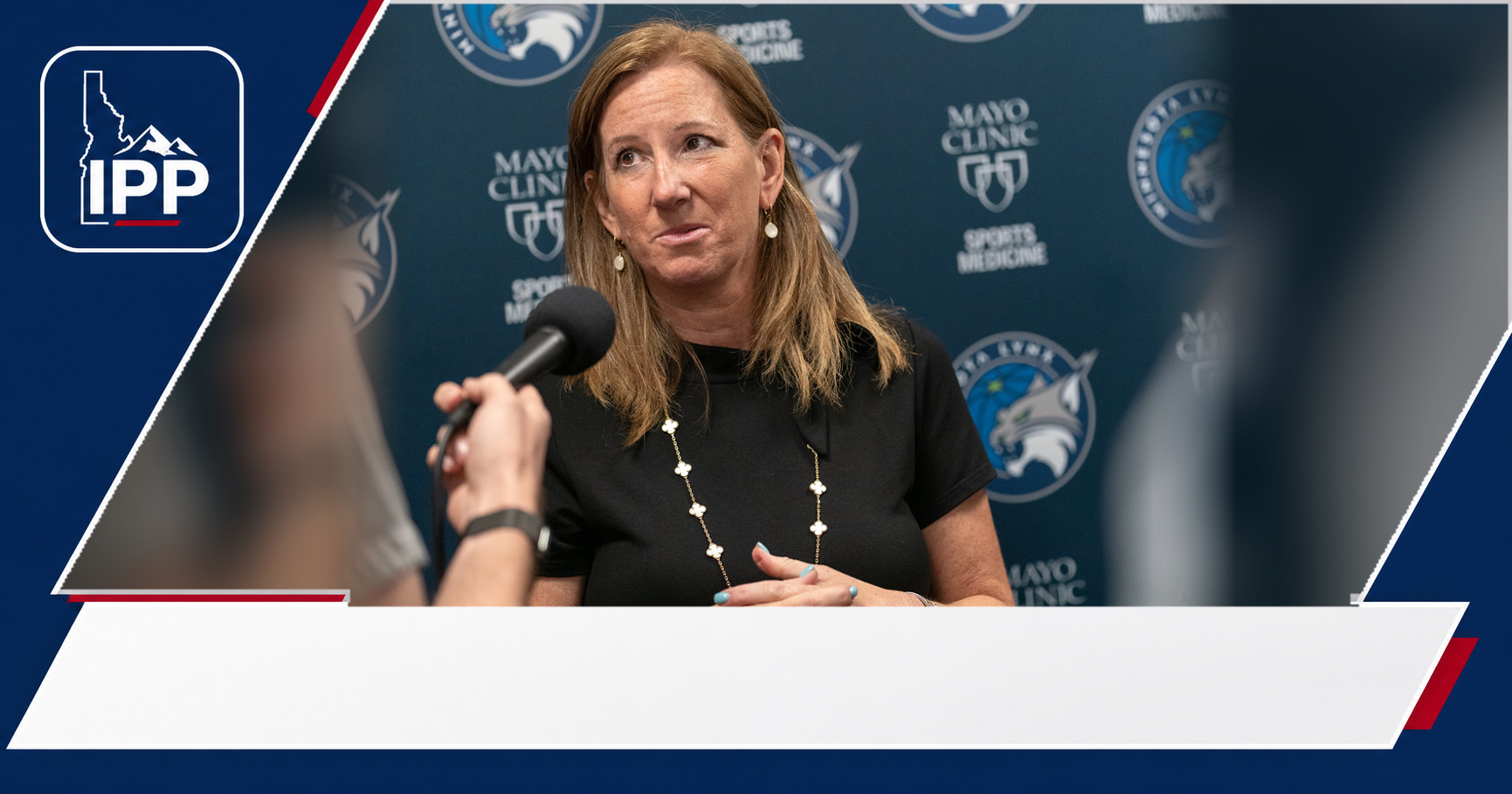
The commissioner’s remarks land as the league enjoys surging attention but faces sharper scrutiny over whether it is protecting players from harassment, racism and threats.
Cathy Engelbert criticized how WNBA players are being treated, saying the online vitriol players face is unacceptable as she spoke at an event in New York on Thursday. The WNBA commissioner Cathy Engelbert came out against abuse that has followed players through social media, direct messages and heated debate around the league.
Her remarks matter because the WNBA is trying to turn record attention into lasting growth while players are saying the cost of that visibility has become harder to ignore.
Engelbert draws a harder line
Engelbert made the comments during the CNBC/Boardroom Game Plan event, where she appeared on a panel with three-time WNBA champion Diana Taurasi and State Farm executive Kristyn Cook, according to reporting from The Athletic.
Asked how the league can keep growing while limiting toxicity, Engelbert described the conversation around the WNBA as a “microcosm in a broader society.” She then used unusually direct language for the issue facing players.
“The vitriol and everything that our players receive, and I’m sure Diana can remember this, is unacceptable,” Engelbert said. “But there’s so much good in the game.”
That last sentence captures the league’s tension. The WNBA is not short on momentum, marketable stars or memorable performances. But the same attention that boosts ratings, debate and sponsorship value can also expose players to targeted abuse at a scale the league has not always seemed prepared to manage.
Growth has brought a darker edge
The WNBA’s current surge has made nearly every flashpoint bigger. Hard fouls become national arguments. Rookie storylines become identity battles. Routine officiating complaints can turn into personal attacks on players.
Engelbert pointed to the “good in the game” by highlighting major on-court stories, including Minnesota Lynx guard Olivia Miles’ rookie season and Toronto Tempo guard Marina Mabrey’s 53-point performance against the Los Angeles Sparks in June.
Those are the stories any league wants at the center of its growth: young talent, historic scoring nights, new markets and star performances. Yet players have increasingly said that the public conversation around the WNBA can shift from criticism of play to racism, harassment and threats.
That distinction matters. Fans can debate officiating, physicality, rivalries and player performances. The problem Engelbert addressed is what happens when online critics cross from sports argument into dehumanizing abuse or direct threats.
Players have asked for more
Engelbert’s comments did not arrive in a vacuum. Phoenix Mercury veteran Alyssa Thomas recently criticized the commissioner’s engagement after Thomas said she received online abuse following a controversial foul involving Caitlin Clark and later served a one-game suspension.
“As usual, she remains silent, and that’s unfortunate when our lives are being threatened,” Thomas said last month, according to The Athletic.
That criticism is why Engelbert’s public stance is significant but not automatically sufficient. A commissioner condemning abuse is one step. Players are judging whether the league can respond quickly, visibly and consistently when threats appear.
Las Vegas Aces guard Chelsea Gray also pushed the issue into public view when she posted a screenshot of a racist direct message she received on Instagram. The sender, who was connected to Hilton Grand Vacations on social media, was subsequently fired, and the Aces issued a statement supporting Gray and the wider WNBA community.
The league points to safeguards
Engelbert said the WNBA is using AI technology to monitor and respond to threats, harassment and hate directed at players online. She also pointed to a requirement in the new collective bargaining agreement that every team employ at least one security officer to be with players during all team-related activities.
Those measures show the league understands the problem is not limited to bad replies after a game. Security now has to account for the overlap between online abuse and real-world access to athletes.
Still, technology and staffing raise their own questions. AI tools can help identify patterns and dangerous language, but they can miss context, sarcasm, coded abuse or private messages players receive before anyone else sees them. Team security can provide a visible layer of protection, but it does not erase the psychological toll of being targeted.
Engelbert acknowledged the difficulty. “It’s a challenge,” she said. “I’ve solved a lot of complex things in my career before I even got here, and this is a challenge because it’s social media, it’s societal.” She added that the league will “continue to chip away at it.”
Officiating feeds the broader debate
Engelbert also addressed officiating, another source of frustration around the league. She said the WNBA has worked in the offseason to improve officiating through a state-of-the-game committee and an officiating task force.
According to Engelbert, members of that task force watched “50 to 100 hours” of film while studying physicality and other issues that have shaped the league’s current narrative.
This is where the debate gets complicated. Some fans and players argue the WNBA has become more physical in ways that affect safety and fairness. Others see the reaction as selective, driven by which players are involved and amplified by national attention.
Better officiating will not solve online harassment, but it can reduce the number of flashpoints that bad-faith users exploit. If players feel games are managed consistently, it may also ease one source of frustration inside the league.
What remains unresolved
Engelbert’s remarks were forceful, and they gave the league a clearer public position: abuse of WNBA players is unacceptable, and the league says it is investing in ways to track and respond to it.
The harder question is whether players will feel that response in real time. Public condemnation matters after screenshots spread. Prevention, escalation protocols and direct support matter before the next player decides she has to post the abuse herself to be heard.
The WNBA’s opportunity is obvious. It has more attention, more talent and more cultural pull than at any point in its history. Its responsibility is growing at the same speed.
Engelbert’s comments acknowledge that player treatment is now a central business issue, not a side conversation. A league cannot celebrate visibility without protecting the people who make that visibility valuable.



Leave a Reply