

The drop is more than a tourism statistic. It shows how quickly cross-border confidence can turn into lost hotel nights, fewer shopping trips and pressure on U.S. destinations that rely on Canadian visitors.
Canadians spent $3.3 billion less on travel to the United States in 2025 than in 2024, after Donald Trump returned to the White House, according to official figures cited from a Statistics Canada report. The decline matters because Canadian travelers are one of the closest, most reliable sources of U.S. tourism dollars, and the pullback came as tariffs, border rhetoric and political tension reshaped cross-border habits.
The report points to more than a soft travel year: Canadians still spent $18.8 billion on U.S. trips, but leisure spending fell sharply while Canadians directed more vacation money to other international destinations.
A $3.3 billion warning sign
Statistics Canada’s figures put the 2025 total for Canadian spending on trips to the United States at $18.8 billion. That is still a huge flow of money into the U.S. travel economy, but it was $3.3 billion lower than the year before.
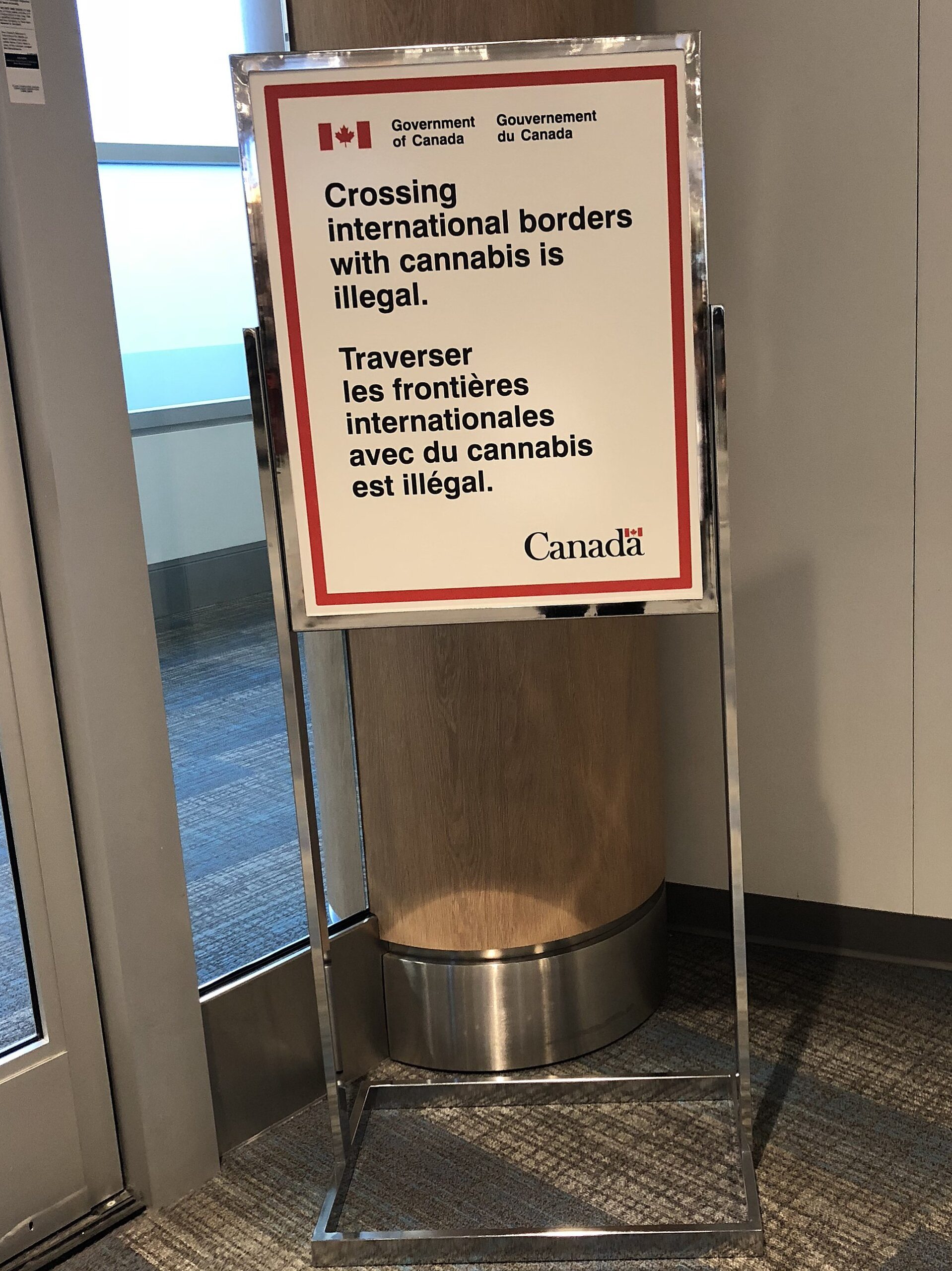
Because the comparison runs from 2024 to 2025, it captures the first year after Trump’s return to power. The timing does not prove that politics drove every canceled trip, but it places the decline in the middle of a tense new phase for two countries that usually treat cross-border travel as routine.
For U.S. destinations, the drop is not an abstract line in a national accounts table. It can mean fewer hotel bookings, emptier restaurant tables, weaker retail traffic and less tax revenue in places that count on Canadians for weekend trips, shopping runs and winter escapes.
Leisure trips led the retreat
The sharpest spending decline came from leisure travel. According to the reported figures, Canadian spending on leisure trips to the United States fell by $2.2 billion.
That detail matters because Canadian travelers did not simply stop wanting vacations. The same report said Canadians increased spending on international leisure travel overall by $3.6 billion, suggesting that some demand moved elsewhere rather than disappearing.
Family-related travel to the United States also declined, though Statistics Canada found that the drop was slower than the retreat in leisure travel. That makes sense: a vacation can be postponed or redirected more easily than a visit tied to relatives, caregiving or major family events.
The timing was striking. Statistics Canada said the pullback grew as 2025 went on, bottoming out in July, when border crossing volumes were nearly one-third below the same point 12 months earlier. By late 2025, return crossings had stabilized at about one-quarter below 2024 levels.
Politics entered vacation math
Trump’s return to the White House was not the only possible factor behind the travel shift. Exchange rates, inflation, airfare, gas prices and ordinary post-pandemic travel changes all shape where people go and how much they spend.
Still, the political atmosphere became hard to ignore. Months into his second term, Trump imposed a 25 percent tariff on Canadian goods, citing border security and fentanyl concerns. USMCA-compliant goods were generally exempt, but the broader message landed during a sensitive period for businesses and consumers on both sides of the border.
There were also tariffs or taxes affecting energy, potash, timber, lumber and certain vehicle parts imported from Canada. The Hill reported that most of the tariffs were later repealed after a February Supreme Court ruling found Trump had exceeded presidential power, but the disruption had already added strain to the relationship.
Rhetoric added another layer. Trump had previously joked about Canada becoming the 51st state and later threatened additional tariffs connected to wildfire smoke affecting Michigan. For some Canadian consumers, that kind of talk can turn a casual U.S. weekend into a political choice.
The border count was historic
The report’s border data show how unusual the drop was. Statistics Canada said the findings reflected the lowest number of border crossings since 1972, when digital recordkeeping began for the Frontier Counts program, excluding the pandemic period.
Year-over-year declines of more than 30 percent had previously been recorded only after the Sept. 11 terrorist attacks, according to the report. That comparison does not mean the causes were the same. It does show that the scale of the 2025 decline stood out in a long historical record.
The report also said Canadian residents returning from the United States dropped by more than 70 percent from December 2024 to December 2025 on a reported December-to-December measure. That is the kind of number tourism officials watch closely because border flows often recover slowly once travel habits change.
U.S. businesses lose quiet revenue
Canadian tourism can be easy to overlook because it is so familiar. It is not just bucket-list trips to New York, Florida or Las Vegas. It is also grocery runs, outlet malls, ski weekends, hockey travel, medical visits, family holidays and snowbird stays.
When Canadians stay away, the first pressure often hits border communities. Gas stations, restaurants, hotels, casinos, shopping centers and regional airports can all feel the difference before national tourism numbers make headlines.
The shift may also benefit other destinations. If Canadians spent more on international leisure travel overall while spending less in the United States, some of that money likely went to Europe, Mexico, the Caribbean or domestic Canadian travel. Travel dollars often act like votes of confidence, and in 2025 many Canadians appeared to cast them elsewhere.
A partial thaw may be starting
The decline may not be permanent. The Hill cited CBC reporting that Canadian trips to the United States had begun to inch back up as government officials worked to mend cross-border relationships, including through an advertising campaign.
Recoveries in travel are rarely clean. A cheap flight, a family wedding or a favorable exchange rate can move people faster than diplomacy. But habit also matters. If a family skips the United States for a year and finds a new vacation routine, U.S. destinations may have to win that trip back.
What remains unclear is how much of the $3.3 billion loss came from politics, exchange rates, inflation, security concerns or simple substitution. Official spending data show the outcome. They do not provide a diary of every traveler’s motive.
The takeaway for travelers
The clearest message is that cross-border tourism is not immune to political friction. Canada and the United States share one of the world’s busiest travel corridors, but even that relationship can cool when policy fights and public rhetoric change the mood.
Canadians did not stop visiting the United States. They still spent $18.8 billion on U.S. trips in 2025. But they spent much less than in 2024, leisure travel led the pullback and border crossings fell to rare lows.
For the U.S. tourism industry and policymakers, that is the warning inside the numbers: friendly neighbors are still customers. When the welcome feels uncertain, the bill can show up in hotels, restaurants and border-town cash registers.











Leave a Reply