
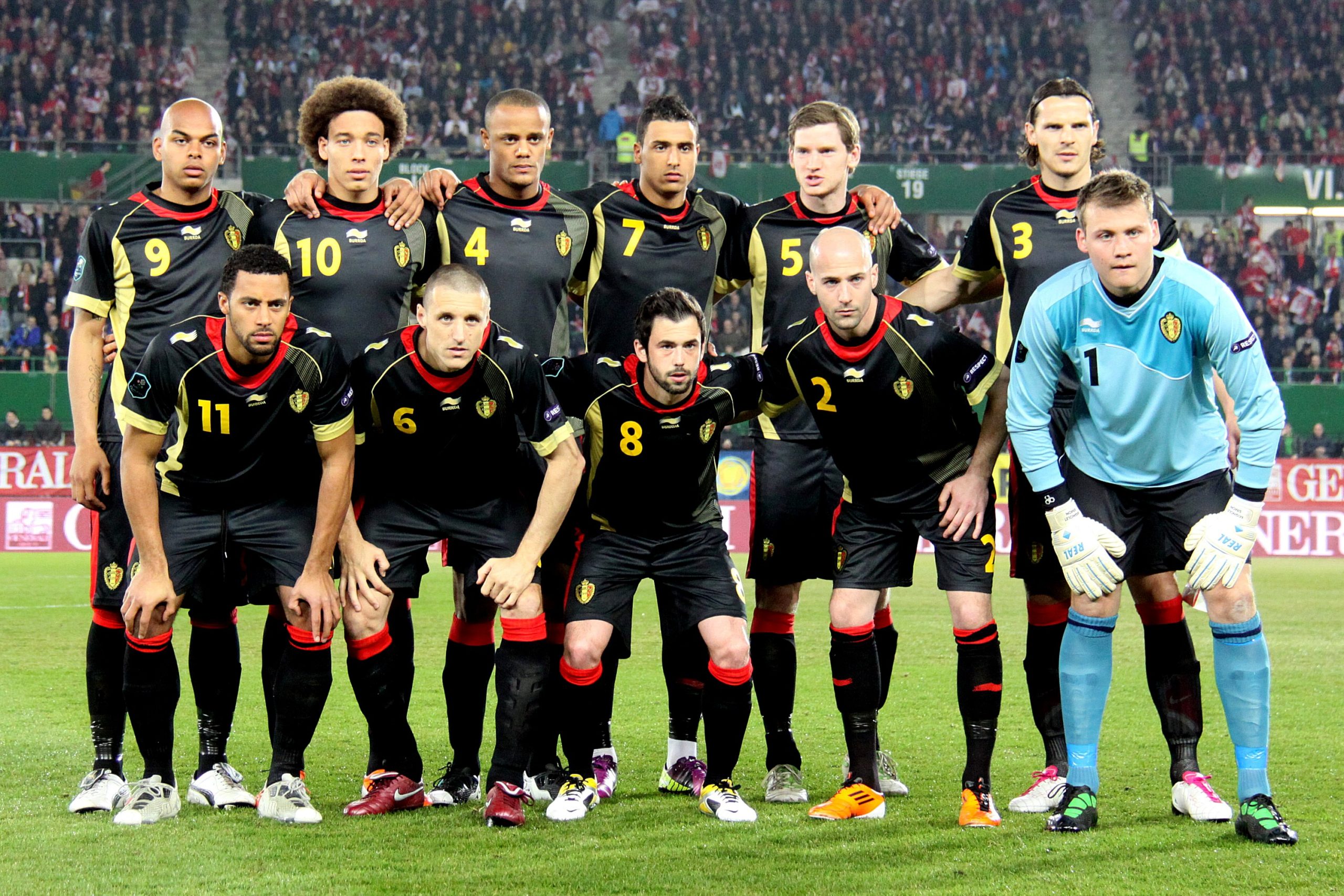
The scoreline was decisive, but the controversy did not disappear with the final whistle. FIFA’s handling of Folarin Balogun’s suspension has left Belgium, UEFA and fans asking harder questions.
Belgium did not leave much room for a sporting argument. A 4-1 win over the United States in Seattle ended the American World Cup run before the quarterfinals and sent Belgium on to face Spain.
Yet the match may be remembered less for the score than for the storm that followed the US into kickoff: FIFA’s late decision to let striker Folarin Balogun play after a red-card suspension, and the political questions that quickly attached themselves to it.
A heavy defeat in Seattle
Bloomberg reported that Belgium struck about nine minutes into Monday’s match, putting the US under pressure almost immediately. The Americans found an equalizer later in the first half, but the reprieve did not last.
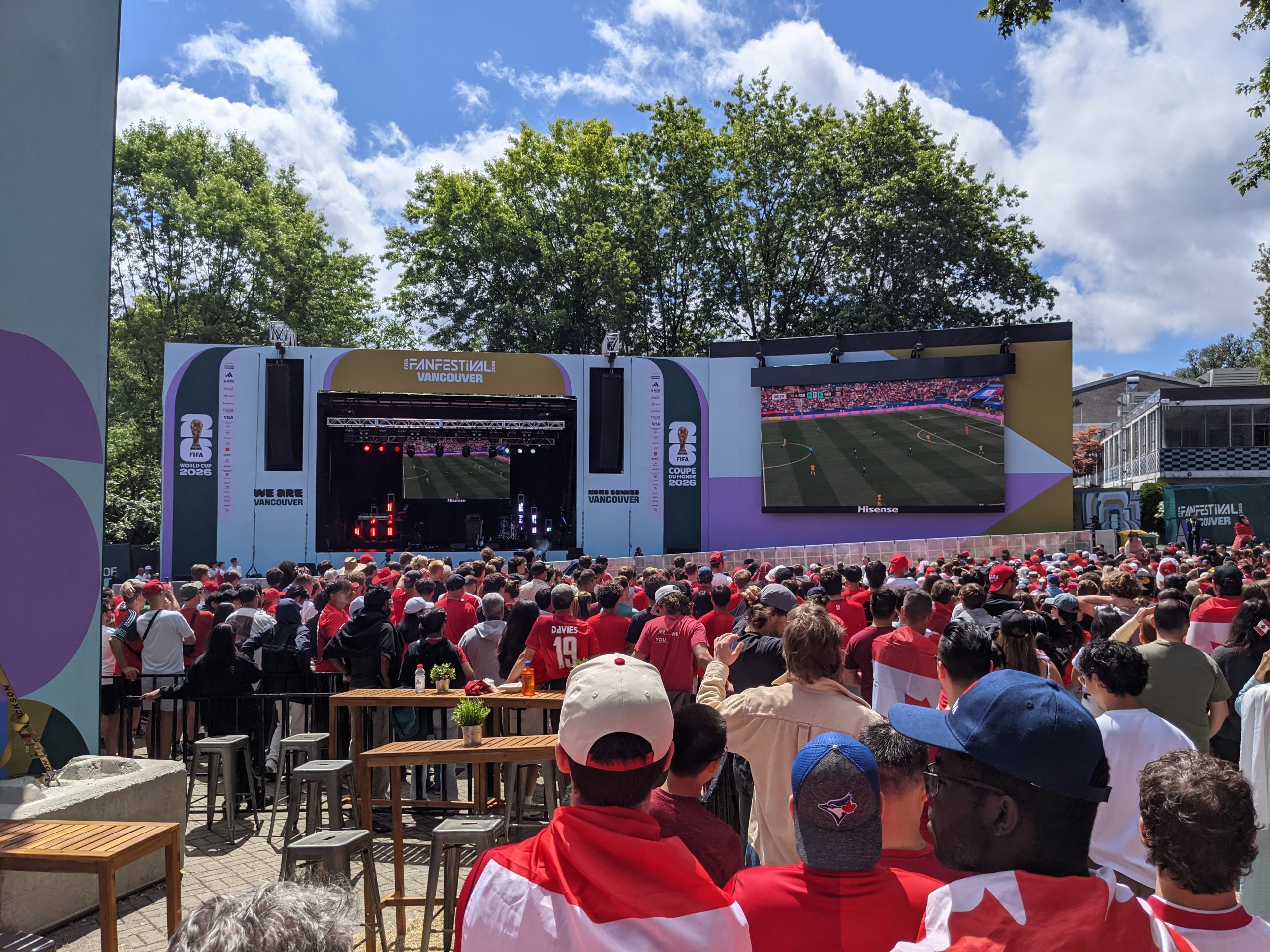
Belgium quickly took the lead back and kept going. By full time, the 4-1 scoreline was blunt enough to make any narrow officiating grievance feel beside the point.
The BBC’s match highlight listing also recorded the result as USA 1-4 Belgium, underscoring the scale of the defeat. This was not a knockout game settled by one disputed penalty, one marginal offside line or one flashpoint inside the box.
That is part of what makes the story unusual. The controversy did not come from Belgium benefiting from a call during the match. It came from FIFA’s handling of a US player before it.
The Balogun ruling changed everything
Folarin Balogun entered the Belgium match at the center of a disciplinary fight that had already overshadowed the buildup. According to NPR, Balogun had received a controversial red card in the US victory over Bosnia-Herzegovina in the Round of 32, a decision that would normally trigger an automatic one-game suspension.
The dispute was not only about the red card itself. NPR reported that questions had been raised over whether Balogun’s contact with a defender was intentional, whether video review was applied properly and whether similar incidents elsewhere in the tournament had been punished the same way.
For a period, the US appeared to be preparing for Belgium without its leading scorer. Then FIFA’s disciplinary committee suspended Balogun’s one-game ban for a year-long probationary period, allowing him to play.
That ruling was the spark. FIFA’s brief explanation, or lack of one, left Belgium and other critics asking why a punishment that looked automatic had suddenly become negotiable on the eve of a knockout game.
The Trump call raised stakes
The controversy intensified because of what happened around the same time. NPR reported that President Trump said he had asked FIFA to review Balogun’s suspension after speaking with FIFA president Gianni Infantino.
Trump said at the White House, “Yes, I asked for a review by FIFA,” according to NPR’s account. Infantino confirmed the call but rejected the idea that it influenced the disciplinary process, saying FIFA’s independent judicial bodies would decide the case.
That denial matters. So does the timing.
Even if FIFA’s panel acted independently, the public optics were combustible: a host-nation star player, a surprise suspension reprieve, a presidential intervention and a sparse disciplinary statement arriving just before a World Cup knockout match.
Belgium’s anger was bigger than tactics
Belgium did not treat the decision as routine gamesmanship. NPR reported that Belgian coach Rudi Garcia reacted with disbelief, joking that he did not know July 5 was April Fool’s Day in FIFA offices.
The Royal Belgian Football Association said it was “astonished” and vowed to explore options for recourse, according to NPR. Garcia framed the issue as broader than Belgium’s competitive interest, saying the federation was defending football’s integrity and ethics.
UEFA also entered the dispute. NPR reported that the European governing body said FIFA’s decision had “crossed a red line,” a striking phrase given how rarely football institutions publicly escalate disputes in that language during a tournament.
Belgium’s eventual 4-1 win may reduce the practical argument that the decision cost it the match. It does not eliminate the procedural argument. If anything, the lopsided result separates two questions that often get tangled together: who deserved to win, and whether the rules were applied in a way everyone can trust.
The US loss did not end the issue
For the United States, the postmortem is harsh and immediate. A home-soil knockout game in Seattle became a missed chance to reach the quarterfinals, and the team was beaten decisively after briefly pulling level.
The soccer questions are familiar: defensive lapses, response after conceding, game management after equalizing, and whether the US had enough control against an elite European opponent. Belgium’s early goal and fast answer after the US equalizer suggest a team that punished momentum swings ruthlessly.
But the governance questions now sit alongside the soccer ones. FIFA will face pressure to explain why Balogun’s suspension was delayed, what standard was applied and whether the same logic will be available to every team in future cases.
That last point is the heart of the controversy. In knockout football, predictability is a form of fairness. Teams can live with tough rulings more easily than they can live with rulings that appear to change without a clear, public rationale.
Spain waits, questions linger
Belgium’s reward is a quarterfinal against Spain, a match now carrying both competitive momentum and the aftertaste of a messy week. Belgium advanced emphatically, but its federation’s complaints may not disappear simply because the team won.
For FIFA, the danger is not that one suspended ban altered a 4-1 result. The danger is that a major tournament disciplinary process looked opaque at the exact moment it needed to look boring, consistent and insulated from outside pressure.
The US exits with a result it cannot explain away. Belgium moves on with a win it fully earned on the field. FIFA, though, still has the harder job: convincing the rest of the sport that the rules did not bend under the weight of the occasion.
That is why the final whistle did not close the story. Belgium beat the US clearly. The argument over how Balogun got on the field in the first place is still waiting for a clearer answer.


Leave a Reply