
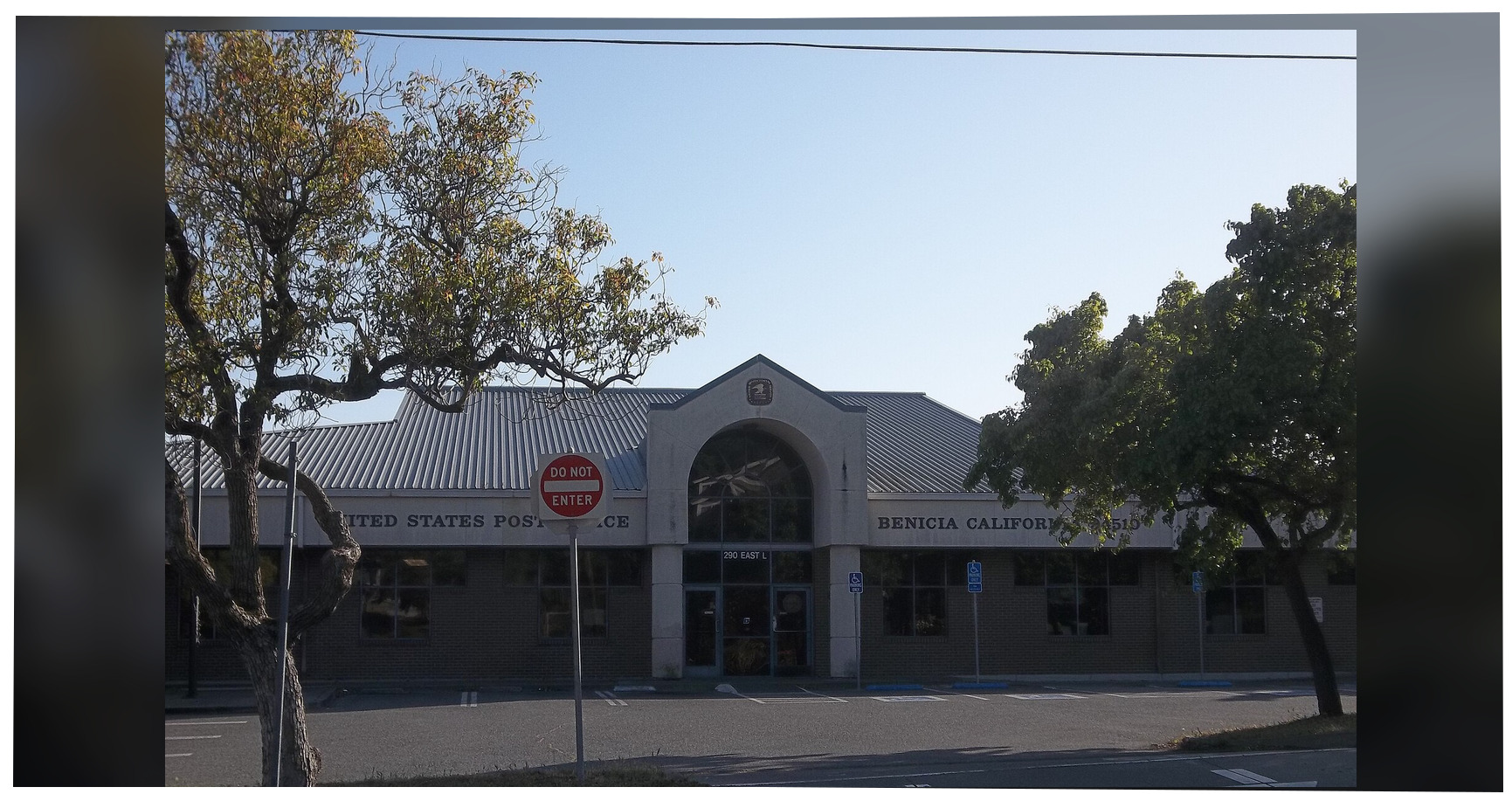
The dispute centers on new conditions affecting mailed ballots and whether USPS can carry them out while a court-order allegation remains unresolved.
The fight starts with language saying the United States Postal Service “shall not transmit mail-in or absentee ballots from any individual” voter unless a state has met a condition. An emergency motion now challenges the USPS mail-in-ballot rule and alleges that the Trump administration flouted a court order.
That allegation has not been established by a final ruling in the materials available so far. The dispute concerns whether USPS may transmit mail-in or absentee ballots only when states meet new requirements, placing a routine election-delivery function at the center of a fast-moving legal fight.
The immediate stakes are practical as well as legal. States administer elections and set many of the rules for absentee voting, while USPS is the national delivery system voters and election offices rely on to move ballot applications, completed ballots and election mail.
What the USPS wording does and does not show
A Supreme Court document dated Aug. 24 and titled Trump v. California contains language stating that USPS “shall not transmit mail-in or absentee ballots from any individual” voter unless a state has met a condition. The publicly available excerpt does not provide the rest of that condition.
That wording is consequential because it describes a limit on transmission, not merely a recommendation about how states should design ballots. A restriction at the Postal Service level could affect state election offices, vendors, voters and postal workers even though the states retain primary responsibility for administering elections.
Still, the excerpt alone does not resolve the legal question. It does not establish which ballots are covered, when the provision takes effect, what state documentation or process may be required, or whether a court has suspended all or part of the policy.
Those details are essential before voters can know whether their own absentee-ballot process has changed. A broad federal rule can sound sweeping in a court filing while operating differently once agencies issue implementation guidance.
The court-order allegation
The available description of the motion is narrow but serious: it asks for emergency court action against a USPS policy affecting mailed ballots and contends the Trump administration ignored an existing court order.
That remains an accusation by the party seeking emergency relief, not a finding. The government and Postal Service would have an opportunity to answer it in court.
Emergency motions generally seek a rapid pause, enforcement order or other short-term intervention before the ordinary litigation schedule can play out. In an election dispute, timing matters because state and local officials must prepare ballot materials, mailing schedules, voter instructions and counting procedures well before votes are cast.
The public description does not identify the filer, the court that issued the order at issue, or the exact remedy requested. Those omissions matter. Whether a court is being asked to block a rule, compel compliance with an earlier injunction, or hold officials in violation of an order can substantially change the legal standard.
Why state election systems are central
Mail voting has long sat at the intersection of federal and state responsibilities. States decide who may vote absentee, how voters request and return ballots, and which deadlines apply. Federal agencies, meanwhile, oversee parts of the postal network, enforce federal laws and can set rules within the authority Congress gives them.
The Trump administration has framed election-related federal action around citizenship verification and election integrity. A White House executive order issued in March directs agencies to use available records in support of citizenship-related election processes and argues that additional safeguards are needed for ballots sent through the mail.
Supporters of tighter federal requirements may see standardized controls as a way to verify eligibility and protect public confidence. Critics are likely to argue that a federal transmission restriction risks overriding state election systems, creating administrative delays or burdening eligible voters who rely on mailed ballots.
Neither broad concern answers the central legal question on its own: whether the Postal Service has the authority to impose the particular condition, and whether that condition conflicts with a prior court directive.
The timing problem for voters and election offices
Election mail is unusually time-sensitive. A ballot can be valid only if it reaches the right election office by a state deadline, and those deadlines differ across the country. Even a brief disruption in mailing procedures can force election administrators to revise instructions or field questions from voters.
A Federal Register notice concerning a Postal Service final rule shows how contentious those operational choices can be. Public comments included arguments that ballots should arrive by Election Day, calls to discontinue mail voting, and other competing views about how election mail should be handled.
That comment record does not prove the emergency motion’s allegation. It does show why a technical rule about postal transmission can become a major election-policy dispute: rules about mailing procedures can determine whether voters have a workable path to receive and return ballots on time.
For voters, the most reliable guidance remains local. State and county election offices—not social-media posts or broad descriptions of court filings—can confirm current request deadlines, return options, ballot-tracking tools and whether a mailed ballot has been received.
What to watch next
The emergency motion’s central assertion is that the Trump administration “flouted” a court order. A judge will need to examine the wording of the prior order, the USPS requirement, the government’s implementation actions and the harm alleged by the challengers.
It is also unclear from the currently available information whether the dispute will produce an immediate nationwide effect, a state-specific ruling or a more limited order focused on how the policy is enforced. Election cases often turn on jurisdiction, deadlines and the precise parties before the court.
The next meaningful documents will be the full emergency motion, any government response and the court’s order. Those records should clarify the policy language, identify the states or voters affected, and show whether the requested relief would alter ballot mailing practices before the next election.
Until then, the case is best understood as an urgent challenge to federal conditions on mailed ballots—not as proof that a nationwide mail-voting system has already changed. The dispute puts a familiar democratic tension back in focus: security rules may be defended as safeguards, but they must also be lawful, clear and workable for the voters and election offices expected to follow them.





![Marine Corps Major in dress white uniform, W[orld] W[ar] II (LOC)](https://idahopublicpress.com/wp-content/uploads/2026/08/trendwire-rqctqy63-featured-tn5nyr2x.jpg)
Leave a Reply