
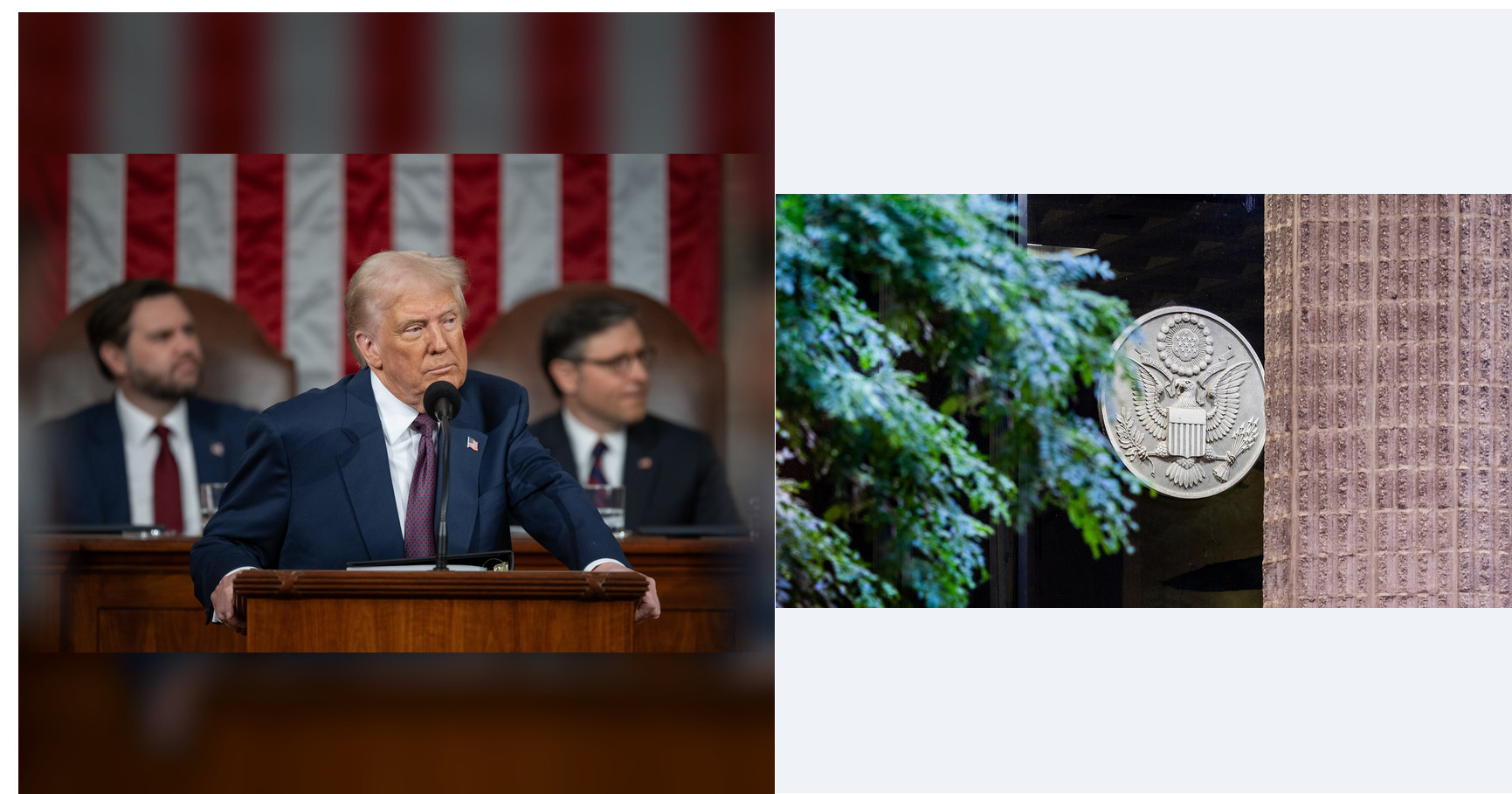
The ruling does not settle whether President Donald Trump’s executive order is lawful. It changes what the administration can attempt before the November elections and leaves states facing immediate implementation questions.
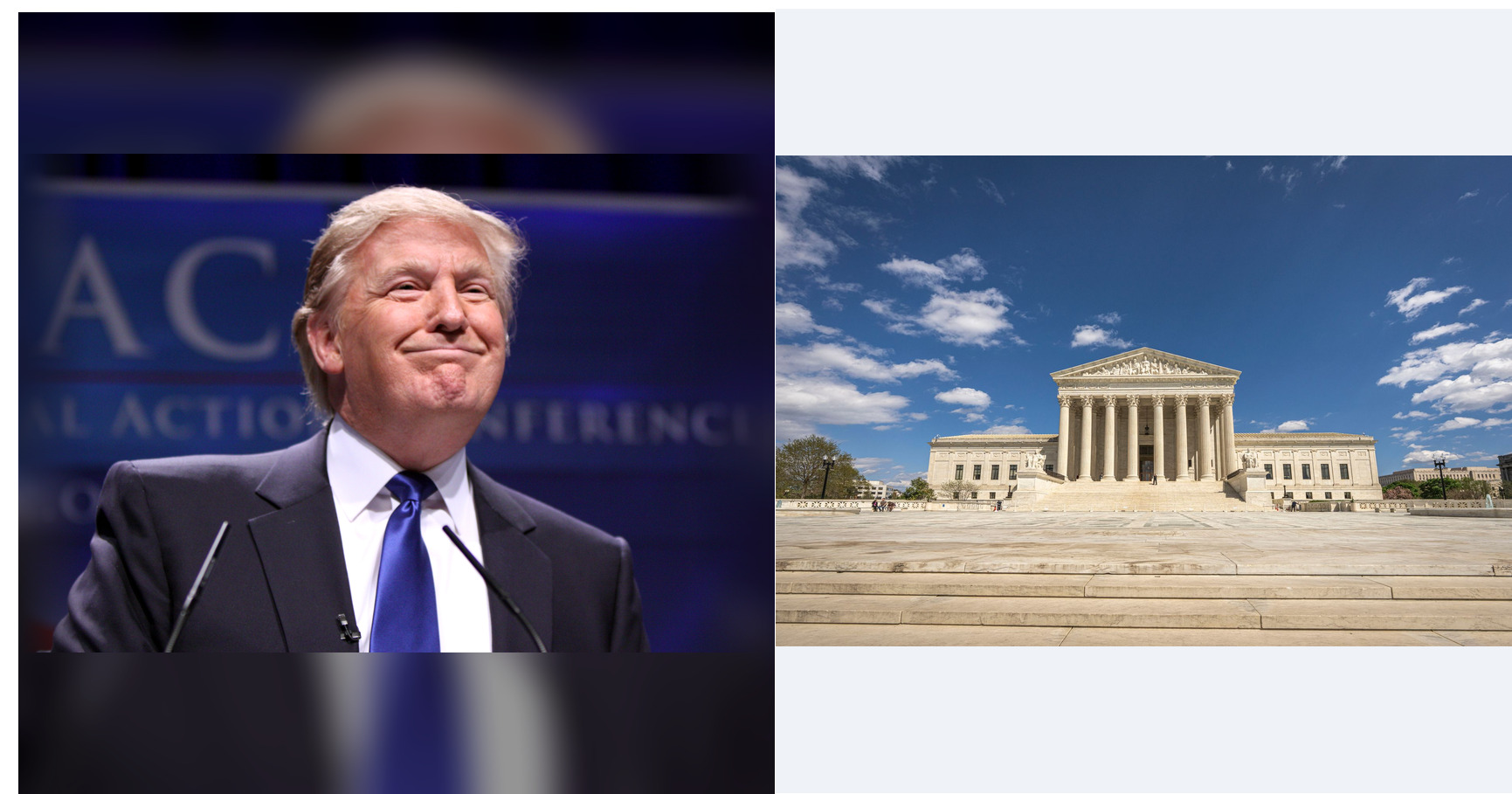
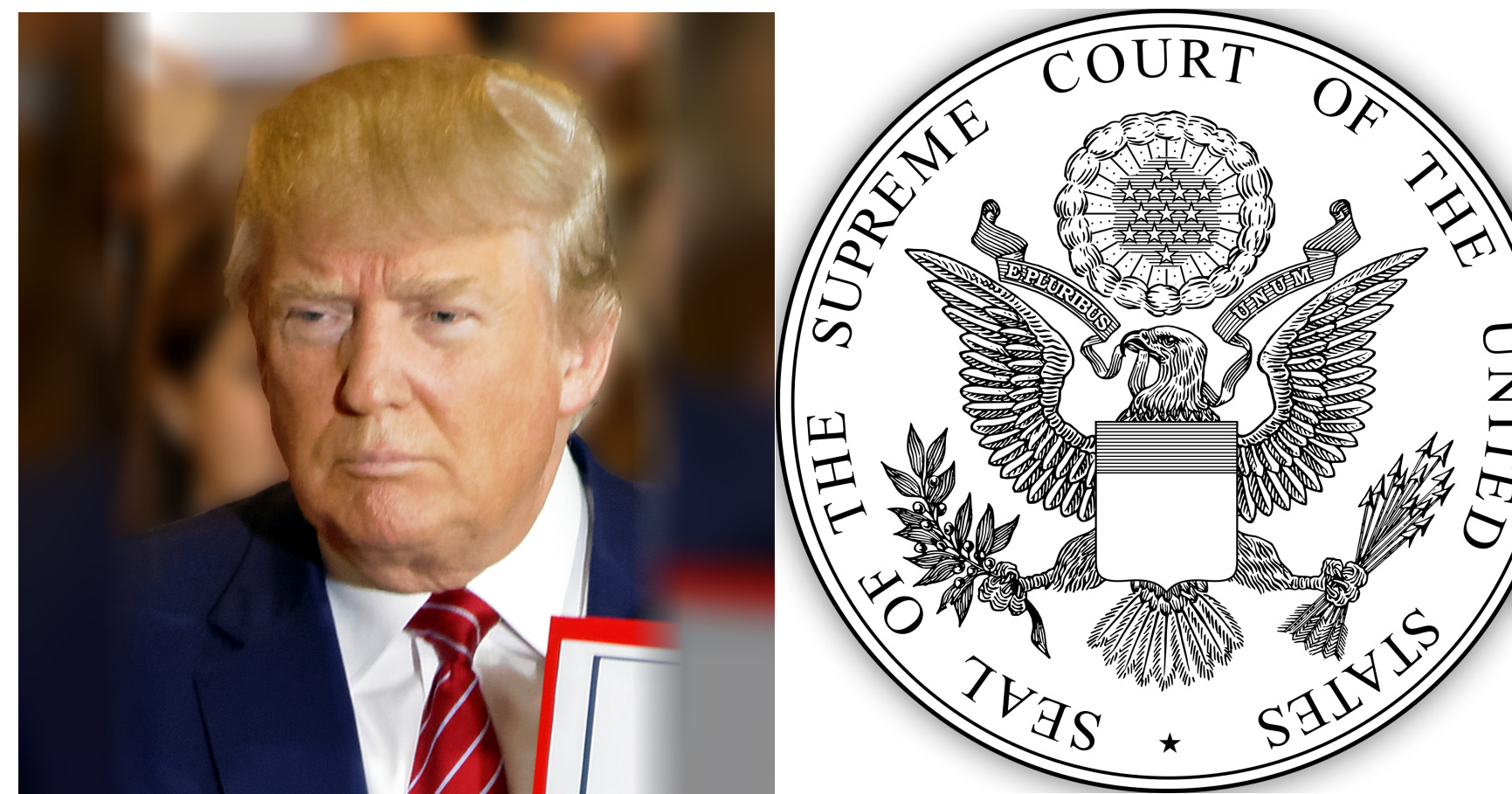
The U.S. Supreme Court lifted a judicial obstacle to Trump’s mail-in ballot restrictions, allowing the Trump administration to move forward with implementing an executive order that imposes restrictions on mail-in voting in the United States. The order had been blocked for the November elections in 23 states and the District of Columbia by a federal judge in Boston.
The Supreme Court’s action is a significant procedural win for President Donald Trump’s administration, but it is not a final declaration that the executive order is legal. A separate ruling still prevents the U.S. Postal Service from carrying out one part of the order nationwide, at least for now.
A pause, not a final verdict
The court paused an injunction issued by U.S. District Judge Indira Talwani, which had stopped the federal government from applying several challenged provisions of Trump’s executive order on or before Nov. 3, 2026, in the 23 plaintiff states and Washington, D.C.
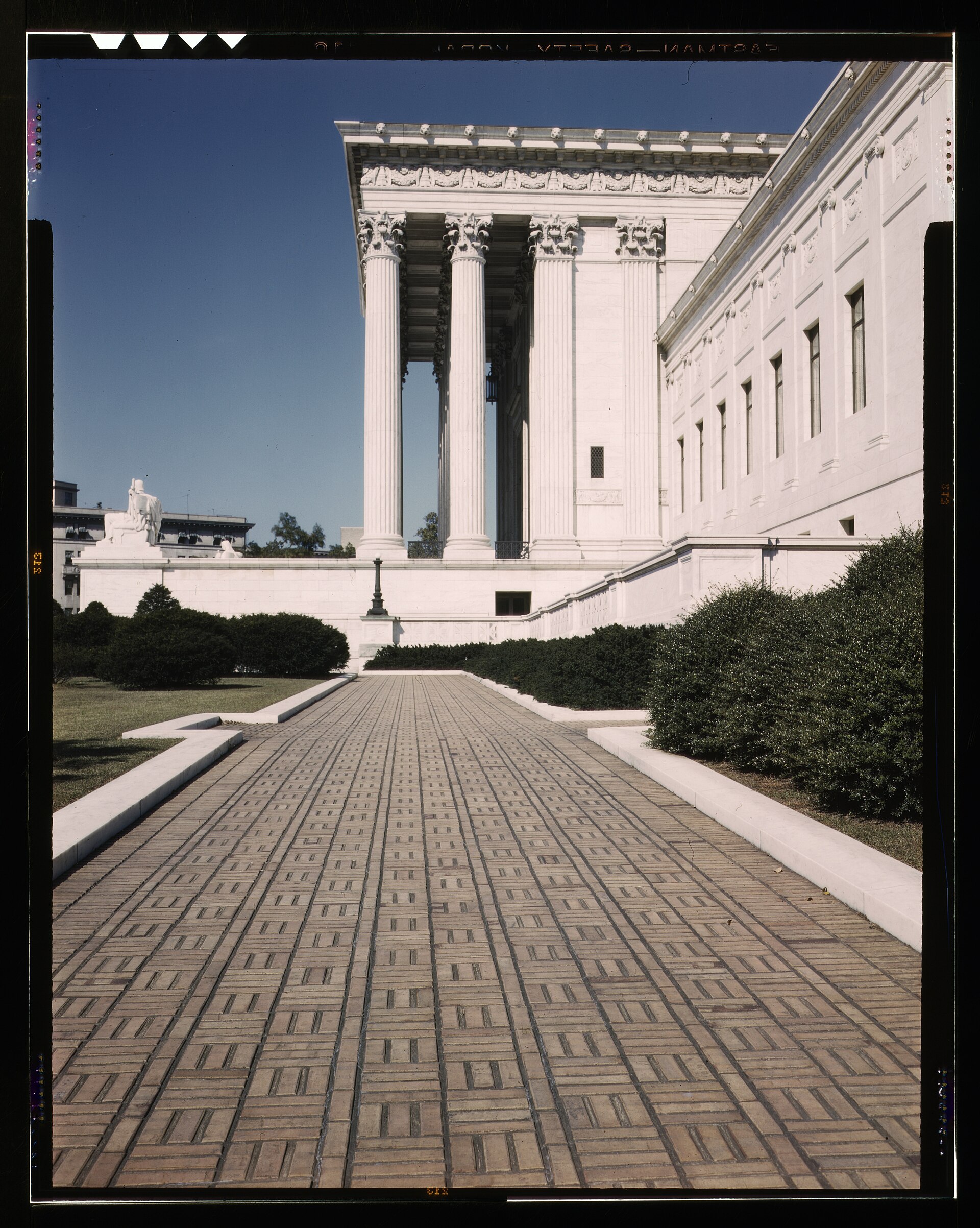
In an unsigned 10-page opinion, the court’s majority said the challenge came too early. Its reasoning was that the executive order had not yet been carried out, meaning the states had not suffered the kind of concrete injury generally required to press their lawsuit.
That is an important legal distinction. The court did not decide whether the president has authority to impose the restrictions, whether the order conflicts with federal election law, or whether its individual provisions can ultimately survive a full legal challenge.
Instead, the immediate effect is that the lower court’s broad pre-election block is on hold while litigation continues. The administration may now begin implementing the provisions covered by the Supreme Court’s order, subject to the remaining Postal Service injunction and other possible court action.
What Trump’s order seeks to do
Trump signed the executive order in March. It addresses several parts of election administration, including voter information, election enforcement and the handling of mail ballots.
As described in the litigation, one provision instructs the Department of Homeland Security to compile lists of adult U.S. citizens in each state and provide them to states at least 60 days before a federal election.
Another directs the attorney general to prioritize investigation and possible prosecution of state and local officials who issue federal ballots to people not eligible to vote in a federal election.
A third provision concerns mail ballots and the Postal Service. It requires states to provide USPS with lists of voters they intend to receive mail ballots, while barring the agency from mailing ballots to voters who do not appear on lists of “enrolled” voters that USPS would create.
- Supporters characterize the order as an election-integrity measure aimed at voter eligibility and ballot controls.
- Opponents argue it could disrupt state-run voting systems and interfere with state authority over voter qualifications and election procedures.
Why 23 states went to court
California led the group of 23 states, joined by the District of Columbia, in challenging the order in federal court in Massachusetts. Their core argument is that the order intrudes on responsibilities the Constitution assigns to states.
The states cited constitutional provisions giving states power over voter eligibility and the “Times, Places, and Manner” of congressional elections. Their concern was not simply that the federal government had announced a policy, but that election officials would need to alter procedures quickly ahead of the midterms.
Judge Talwani initially found that the dispute was ready for review as it related to the approaching 2026 election, even though she concluded claims involving later elections were premature. She said the order put the challengers in a “direct and immediate dilemma.”
The U.S. Court of Appeals for the 1st Circuit declined to halt Talwani’s injunction. It said the order’s practical consequences gave states little choice but to respond before federal agencies completed every implementation detail.
The court’s disagreement over timing
The Trump administration took the opposite view: no court should intervene until federal agencies make concrete decisions about how the executive order will be implemented. Solicitor General D. John Sauer told the Supreme Court that the claims were not ripe because those decisions had not yet been made.
The administration also argued that the injunction itself harmed the federal government by preventing it from finalizing and carrying out the president’s election policy. It pointed to the approaching start of absentee and mail voting in some states as a reason for immediate relief.
The Supreme Court majority accepted the timing argument sufficiently to pause the lower-court order. But the court’s three Democratic appointees dissented, underscoring how sharply divided the justices were over the real-world consequences of waiting.
Justice Ketanji Brown Jackson, writing for the dissenters, accused the majority of overlooking what she described as the government’s effort to create chaos before the November elections. The dissent reflects the challengers’ concern that implementation itself could make later court review less meaningful.
A major Postal Service limit remains
The Supreme Court’s order did not erase every legal barrier facing the administration. In a separate case involving different plaintiffs, Judge Talwani temporarily barred USPS from implementing one provision of the executive order anywhere in the country.
That ruling remains in effect for now. So while the administration has more room to advance the broader order in the 23 states and Washington, D.C., it cannot treat the Supreme Court’s action as permission to put every mail-ballot-related provision into operation.
The split outcome may be difficult for election officials to navigate. State and local administrators need clarity well before ballots are printed, voter lists are reconciled and mail-voting procedures are communicated to the public.
It also means the litigation is not merely an abstract fight over executive power. The unresolved rules could affect the practical systems used by states and the Postal Service to prepare for federal elections.
What the ruling changes now
For the Trump administration, the immediate win is flexibility: it can proceed with challenged parts of the executive order while the underlying case moves forward. For the plaintiff states, the loss is the removal of a court-ordered shield they had secured for the 2026 election.
For voters, there is no single nationwide change to mail-in voting announced by this ruling. Mail-ballot rules still vary by state, and the Postal Service provision remains blocked under the separate injunction.
The larger questions are still open. Courts will have to decide whether the states can pursue their claims once implementation becomes more concrete, whether the executive order exceeds federal authority, and whether specific restrictions conflict with state election powers or existing law.
The Supreme Court’s decision therefore changes the immediate balance of power, not the final legal outcome. It gives the administration a path to act before November while leaving the most consequential constitutional and operational questions for later rounds of litigation.

![Marine Corps Major in dress white uniform, W[orld] W[ar] II (LOC)](https://idahopublicpress.com/wp-content/uploads/2026/08/trendwire-rqctqy63-featured-tn5nyr2x.jpg)
Leave a Reply