
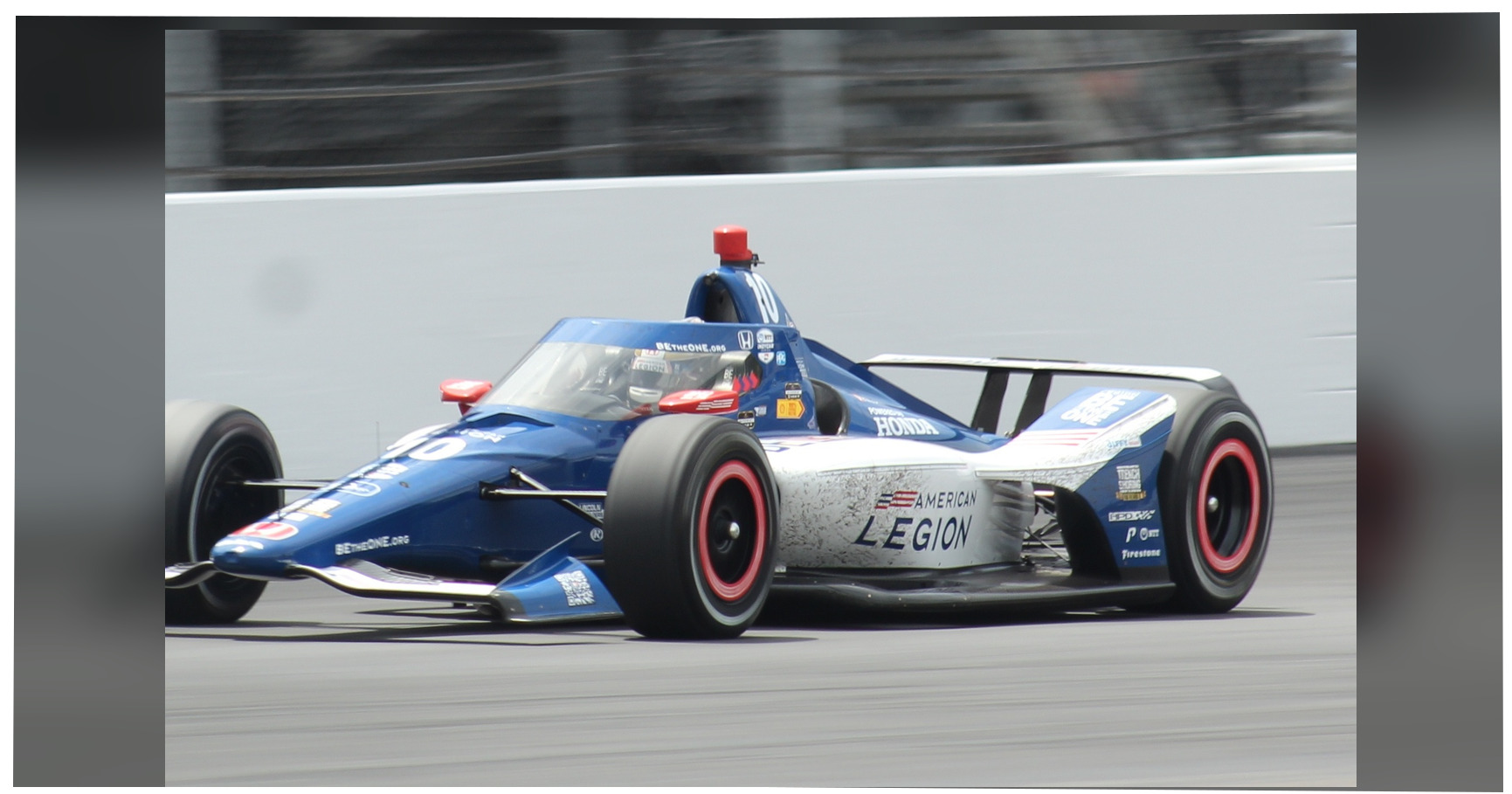
IndyCar’s first Washington, D.C., race quickly became a test of patience, pit strategy and survival. Kyle Kirkwood led early, while Alex Palou’s drive-through penalty reshaped the championship conversation.
The IndyCar Freedom 250 is taking place in Washington, D.C., and live race updates and highlights show an eventful first outing for IndyCar on the city’s streets. The 250 race opened with Kyle Kirkwood taking an early lead from pole-sitter Alex Palou, before crashes, yellow flags and a drive-through penalty for Palou changed the picture.
The Washington, D.C., debut matters because it puts a title-contending IndyCar field on an unfamiliar temporary circuit where track position, tire choices and clean pit stops can carry as much weight as outright speed. A final result was not confirmed in the live coverage reviewed, but the major early moments already gave the race a distinct identity.
Kirkwood seized the opening advantage
Alex Palou started from pole position, but Kyle Kirkwood moved past the championship leader early in the Freedom 250. The pass established the central tension of the opening stint: Palou had the preferred starting spot, while Kirkwood found the pace and track position to control the race.

After 10 laps, live coverage listed Kirkwood first, followed by Palou, Scott McLaughlin, Christian Rasmussen and Marcus Armstrong. The same top five remained in place through 30 laps, a sign that Kirkwood had managed the early restarts and kept Palou behind him.
That did not mean the lead was secure. The Fox broadcast discussed Kirkwood’s fuel use as he attempted to stay ahead, underscoring how quickly a street race can become a calculation about when to pit rather than simply when to push.
On a circuit where overtaking opportunities can be limited, the leader’s job extends beyond defending into Turn 1. Saving fuel, responding to cautions and choosing the right tire window all become ways to protect position.
Early cautions disrupted the rhythm
The race did not get a long uninterrupted green-flag run. A yellow flag appeared before the opening lap was complete because of debris on the circuit, forcing drivers to slow down, hold position and abandon immediate passing plans.
A second caution followed later for more debris, again compressing the field behind Kirkwood. Those interruptions can appear routine from a timing screen, but they alter fuel projections, tire temperatures and the timing of every team’s strategy call.
The largest incident came on Lap 37. David Malukas hit the wall while exiting Turn 7, and Sting Ray Robb then arrived at the blind corner and struck Malukas’ car. Both drivers were eliminated from the race, according to the live report.
That sequence offered an early warning about the Washington layout. Blind exits and narrow margins are familiar features of street-course racing, but a stopped car can leave very little reaction time for the driver behind it.
Palou’s penalty changed the stakes
Palou’s race took a sharper turn after he was assessed a drive-through penalty for hitting another team’s tire on pit road, according to the broadcast cited in live coverage. He had been set to restart sixth, making the sanction particularly costly in a race where regaining ground was already difficult.
The penalty was notable beyond the single event because Palou entered the race with a substantial championship lead and a chance to clinch his fifth series title. Live coverage characterized a title-clinching outcome in Washington as a long shot even before the penalty; the pit-lane error made that path harder.
There are competing ways to view that moment. For Palou’s supporters, a penalty in a chaotic inaugural street race can feel like an outsized setback. For officials and rival teams, pit-road rules must apply consistently, especially when contact creates a safety concern in a crowded working area.
What remains unclear from the live updates is how much the penalty ultimately affected Palou’s finishing position and title timeline. Those answers depend on the remaining race distance, caution periods and the strategies unfolding around him.
Tire choices created a second race
The race was not only about the order on the track. Christian Lundgaard began on hard tires while Malukas used softs, giving them different early priorities: the softer compound can offer immediate grip, while hard tires can support a longer or more conservative opening stint.
Lundgaard used his opening pace to pass Malukas and move into sixth. That early move showed why tire strategy can create action even when the leaders appear settled: drivers on different compounds are effectively racing different versions of the same event.
Kirkwood’s decision to remain on soft tires during a caution also drew attention in the live coverage. The right call depends on variables that can change in minutes, including the length of the yellow, the condition of the track and whether a rival pits first.
- Soft tires can help drivers attack early and defend on restarts.
- Hard tires may give teams more flexibility over a longer run.
- Cautions can erase a leader’s advantage while creating a cheaper opportunity to pit.
- Track position is especially valuable when a temporary street circuit limits clean passing chances.
Washington’s first IndyCar race matters
The Freedom 250 is IndyCar’s first race in Washington, D.C., making the event an opportunity to introduce the series to an audience that may not regularly follow open-wheel racing. Palou described it before the start as an opportunity to show the product to people who had not been around IndyCar or watched it before.
The ceremonial start was unusual, too. President Donald Trump waved the green flag from a suite beyond Turn 1, while drivers were expected to pass Turn 1 before the race officially went green. That arrangement became part of the event’s first-day spectacle, separate from the competition that followed.
For the series, the bigger test is whether the racing itself delivers. The early action supplied several of the ingredients that street-course audiences expect: a lead change, close restarts, debris cautions, a major crash and strategy uncertainty.
But a successful debut is judged by more than a dramatic opening. Teams, drivers, organizers and local fans will also be watching how the circuit holds up, whether safety procedures work cleanly and whether Washington becomes a durable stop on IndyCar’s schedule.
The final order was still unresolved
The live updates reviewed showed a race still in progress rather than a confirmed final classification. Kirkwood’s early command, Palou’s penalty and the Malukas-Robb crash were meaningful developments, not a complete answer to who would win the Freedom 250.
That distinction matters in a race shaped by caution periods. One late yellow flag, a mistimed stop or a restart can overturn a carefully built advantage, particularly when the front runners are separated by strategy as well as speed.
The clearest takeaway from Washington’s first IndyCar event is that the Freedom 250 immediately demanded precision. Kirkwood had the early edge, Palou faced a costly recovery task, and every remaining lap carried consequences for both the race result and the championship picture.

Leave a Reply