
Oman is trying to help reopen a waterway that carries roughly a fifth of the world’s oil and liquefied natural gas. Trump’s reported warning adds pressure to a country that says it is neutral while pursuing separate talks with Iran.
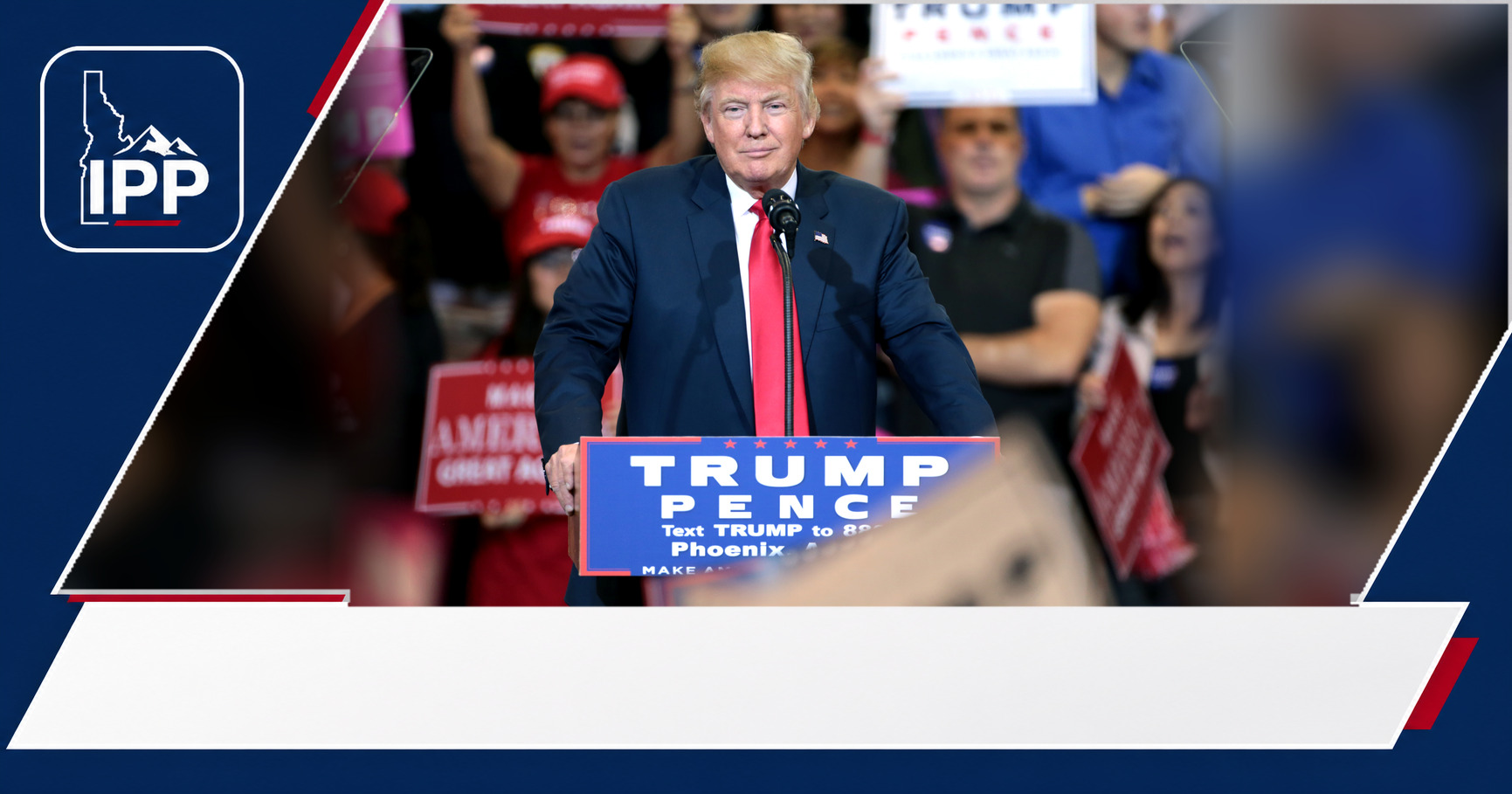
Donald Trump has threatened to bomb Oman, a U.S. ally involved in separate talks with Iran to reopen the Strait of Hormuz. A map identifying countries that Donald Trump has bombed during his presidency has drawn renewed attention to the reported warning, which comes as Oman tries to negotiate access through a waterway central to global energy supplies.
The immediate, source-backed target identified in reporting on the current conflict is Iran, which the U.S. and Israel attacked in February. But the larger significance of Trump’s Oman threat is diplomatic: Washington is pressuring a partner that says it is neutral while it works with Tehran on a route through the Strait of Hormuz.
Oman is caught between partners
The reported threat emerged during a phone interview with Fox News, according to the BBC. Fox correspondent Trey Yingst quoted Trump as saying Oman could be bombed if it got in the way of the U.S. administration’s own dealings with Iran.
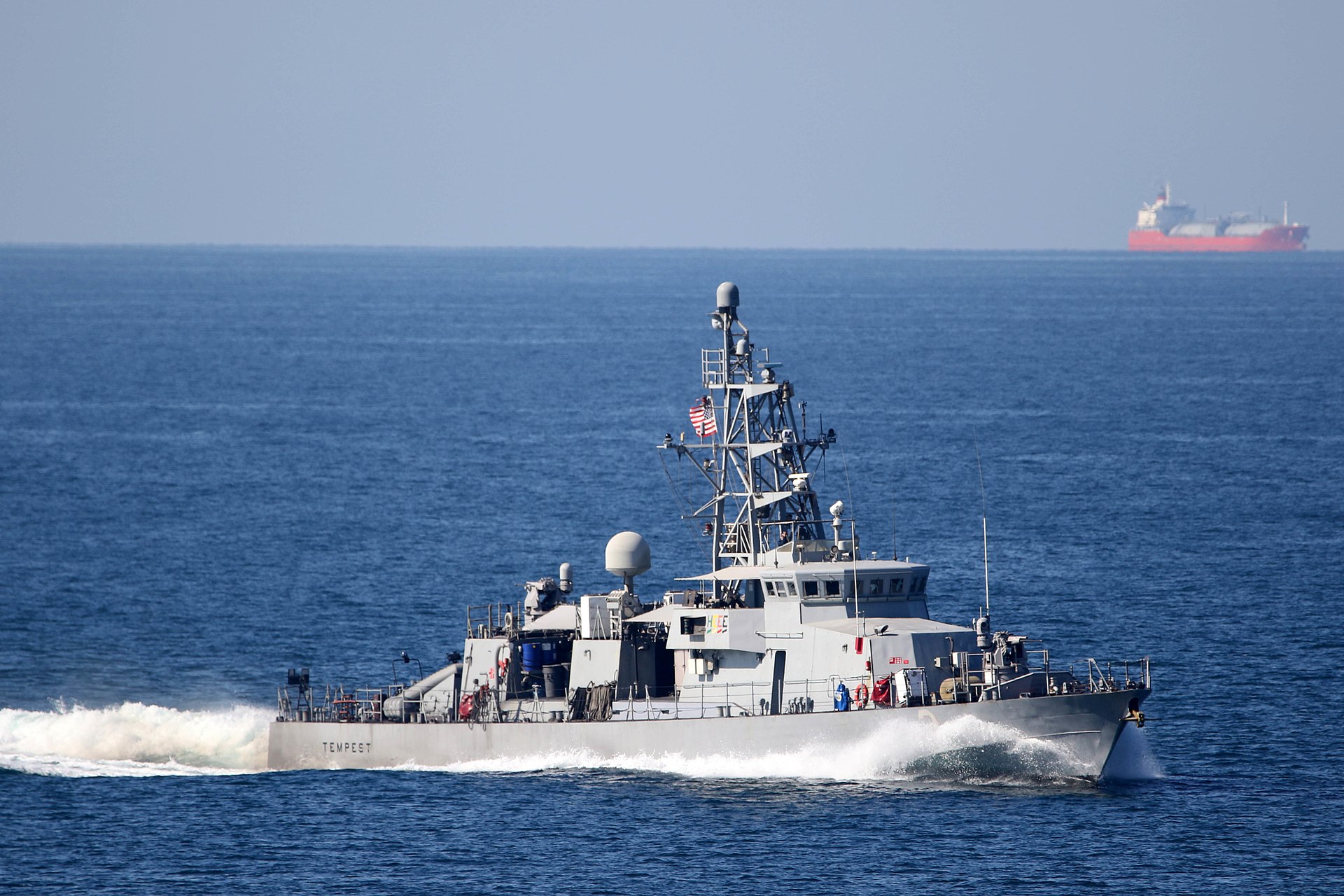
That puts Oman in an exceptionally difficult position. It has longstanding security and diplomatic ties with the United States, yet it also has a record of serving as an intermediary with Iran and has positioned itself as neutral in the current conflict.
Oman’s location makes neutrality more than a diplomatic preference. It sits on the southern side of the Strait of Hormuz, the narrow passage connecting the Persian Gulf to the Gulf of Oman and the Arabian Sea.
Its geography means it has a direct interest in keeping commercial shipping moving, regardless of which governments claim credit for a reopening agreement.
Why the Strait matters globally
The Strait of Hormuz is one of the world’s most consequential shipping chokepoints. The BBC reported that about one-fifth of global oil and liquefied natural gas normally passes through it.
Iran has largely blocked the waterway for nearly six months during the U.S.-Iran war, according to the report. That disruption has elevated the stakes of every diplomatic signal, military threat and claim of progress in negotiations.
Iranian officials said they were close to finalizing an arrangement with Oman for ships to travel through the Strait. Iranian Foreign Ministry spokesman Esmaeil Baghaei said an understanding had been reached on a transit-route map, with details still to be finalized before a joint statement.
That does not necessarily mean a durable reopening is at hand. Iran has previously linked a full reopening to compensation from the United States for what Tehran says were violations of a memorandum of understanding.
The military record behind the map
The map referenced in the original trend signal reflects growing scrutiny of the countries hit by U.S. military action under Trump. In the available reporting on this episode, Iran is the country explicitly identified as having been attacked by the United States and Israel in February.
A country-by-country map can be visually powerful, but it can also flatten important distinctions. Military action can range from a limited strike or an operation alongside allies to a sustained campaign, and each case has its own legal claims, strategic rationale and civilian consequences.
For Oman, the more immediate issue is not historical accounting. It is whether an American threat toward a partner and mediator will make a practical agreement with Iran harder to secure.
The White House’s broader stated objective remains preventing Iran from obtaining a nuclear weapon. As the memorandum of understanding with Iran neared expiration, Trump wrote on Truth Social that this goal would remain the administration’s top priority.
Competing claims cloud the talks
Trump also said in the Fox interview that the U.S. had a direct backchannel with Iran’s Islamic Revolutionary Guard Corps, or IRGC. An IRGC spokesman denied that claim in comments carried by Iran’s semi-official Tasnim news agency.
Those competing accounts matter because diplomacy is already fragile. A 60-day U.S.-Iran memorandum of understanding, signed June 18, was intended to support a ceasefire and at least partially reopen the Strait, according to the BBC. It later broke down after renewed strikes.
Iran and the United States may both have incentives to present themselves as holding leverage. Tehran can point to its influence over a vital maritime route, while Washington can emphasize military pressure and its own channels of communication.
Oman’s role complicates that contest. A mediator can be useful precisely because it speaks to all sides, but that position becomes harder to maintain when one party publicly questions its cooperation.
What remains unclear for Oman
There is no indication in the available reporting that the United States has launched an attack on Oman or announced a formal policy shift toward its ally. The reported remark was a threat, not a declared military operation.
It is also unclear whether Oman’s talks with Iran and Washington’s separate efforts can produce compatible arrangements for commercial shipping. Iran said details of its transit understanding with Oman still needed to be finalized.
The near-term test will be whether ships can move through the Strait safely and predictably. A partial deal, new fees, security guarantees or a renewed closure could all shape oil and gas markets far beyond the Gulf.
For now, the reported threat underscores a stark contradiction: Oman is being asked to help ease a regional crisis while navigating pressure from the very ally whose interests it has often helped mediate.





Leave a Reply