

The Navy’s findings turn a headline-grabbing aircraft loss into a sharper question about maintenance capacity under intense operational pressure. They also show why a series of separate Truman incidents has become part of the wider debate over readiness during Donald Trump’s administration.
Donald Trump’s Navy crisis deepens, critics argue, after a new U.S. Navy ship failure was exposed aboard the USS Harry S. Truman, CVN 75. The Navy says an F/A-18F Super Hornet was lost after the carrier’s No. 4 arresting wire failed on May 6, 2025; the finding follows another Truman aircraft-and-equipment loss on April 28, 2025.
The newly disclosed investigation does not assign personal blame to Trump. It does, however, identify maintenance, staffing, knowledge and training shortcomings that sharpen concerns about U.S. Navy readiness while the carrier operated at a demanding pace in the Red Sea.
A failed arresting wire
An arresting wire is one of the most consequential pieces of equipment on an aircraft carrier. When a jet lands, its tailhook catches one of several heavy cables stretched across the deck, allowing the aircraft to stop rapidly on a moving ship.
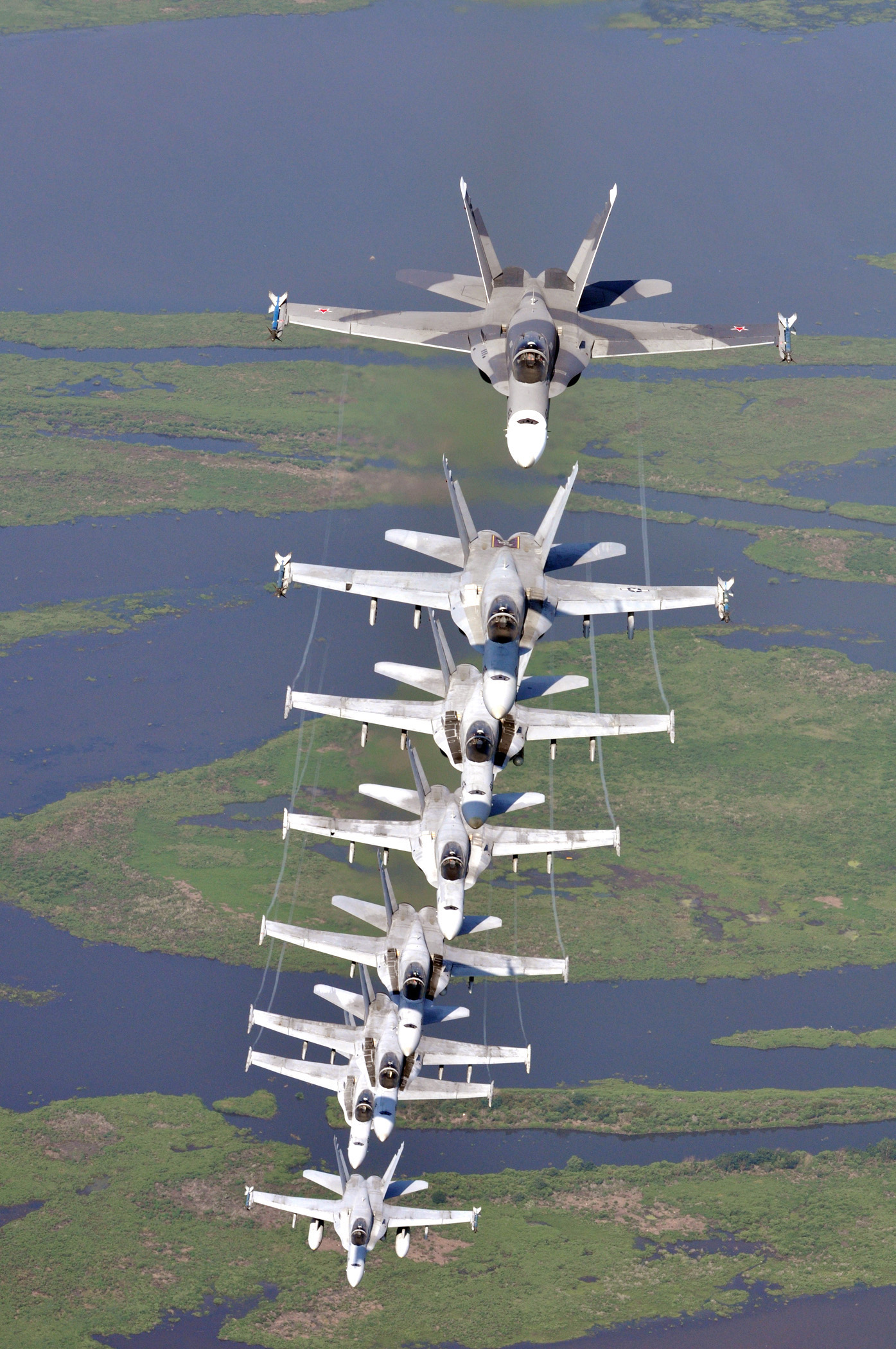
According to the Navy’s investigation summary, the F/A-18F from Strike Fighter Squadron 11, or VFA-11, was lost after Truman’s No. 4 arresting wire failed. The immediate cause was a malfunctioning No. 4 starboard sheave damper, a component involved in the arresting-gear system.
No injuries were reported, and the Navy said flight operations resumed within hours. That quick return matters operationally, but it does not erase the seriousness of losing a sophisticated combat aircraft during a carrier deployment.
The Navy identified several contributing conditions: inadequate maintenance practices, low manning levels, limited knowledge and insufficient training. It also said a high operational tempo and combat conditions created a strained environment.
Why the finding stands out
The investigation’s value is its specificity. Rather than describing the incident simply as bad luck or an unavoidable danger of carrier aviation, the Navy pointed to a malfunctioning part and to readiness factors that can be addressed through maintenance, staffing and training.
That distinction is important in a political debate. A single mechanical failure does not prove the entire fleet is incapable of operating. Yet a failure linked to maintenance practices and thin staffing can raise broader questions about whether crews have the time, personnel and technical depth required to sustain combat operations safely.
For the Trump administration, the episode lands amid promises to strengthen the military and expand naval power. Those ambitions depend on more than authorizing ships or approving budgets. Carriers and aircraft must be maintained, crews must be trained, and units must have enough people to keep complex systems working under pressure.
Supporters of the Navy may point to the carrier’s ability to resume operations quickly and the formal investigation itself as evidence of resilience. Critics are likely to focus on the fact that the Navy’s own findings named preventable organizational shortcomings alongside the component failure.
Truman faced several setbacks
The May 6 aircraft loss was not the only serious event involving the Harry S. Truman Carrier Strike Group during its deployment. The Navy released summaries of several separate investigations, each with its own causes and circumstances.
- In December 2024, USS Gettysburg mistakenly engaged an F/A-18F in a friendly-fire incident. The Navy cited a lack of integrated training opportunities, weak backup practices on the cruiser and insufficient cohesion across the strike group.
- In February 2025, Truman collided with the merchant vessel BESIKTAS-M near Port Said, Egypt. The Navy found the collision avoidable and said the carrier’s bridge team failed to navigate safely past the vessel. The commanding officer was relieved after the collision.
- On April 28, 2025, an F/A-18E Super Hornet and a tow tractor went overboard from Truman’s hangar bay during evasive maneuvers responding to an incoming ballistic missile in the Red Sea. The Navy said an aircraft brake-system failure was the primary cause, compounded by communication shortcomings.
These events should not be collapsed into one technical explanation. They involved different ships, systems, crews and operational moments. Taken together, though, they put unusual scrutiny on a strike group operating in a combat environment over an extended period.
Combat tempo is part of the story
The Navy said the Truman group’s operational setting contributed to the strain surrounding the May arresting-wire failure. In the Red Sea, the carrier was operating amid missile threats and a demanding mission set tied to U.S. Central Command operations.
High tempo can expose weaknesses that remain less visible during routine operations. Maintenance windows narrow, experienced personnel are stretched, and communications between ship departments become more consequential. The April 28 loss illustrates that point: the aircraft and tow tractor were lost during maneuvering intended to respond to an incoming missile, but investigators still found a brake failure and communication issues at the center of the event.
There is also a counterargument. Military units exist to operate under difficult conditions, and the Navy stressed that Truman sailors continued their mission while adapting to setbacks. Vice Chief of Naval Operations Adm. Jim Kilby said the service is committed to learning from the investigations and investing in personnel to provide battle-ready forces.
The unresolved issue is whether the corrective actions will reach beyond the individual incidents. Fixing a damaged component is straightforward compared with improving maintenance culture, raising manning levels and ensuring enough training across a carrier strike group.
Readiness is more than fleet size
The phrase “Navy crisis” can obscure the practical problem revealed by the Truman findings. Readiness is not measured only by the number of ships listed in a fleet plan or aircraft assigned to a carrier wing. It also rests on the condition of systems, the experience of crews and the capacity to sustain operations without normal recovery time.
The Navy said it took appropriate accountability actions following the investigations, though its public summary did not detail every action. It also said complete repairs to damage from Truman’s February collision are scheduled for the carrier’s upcoming Refueling and Complex Overhaul at HII-Newport News Shipbuilding.
What remains unclear from the released summaries is how widely the identified maintenance and manning concerns extend beyond Truman, what specific changes have already been made, and how the Navy will measure their effectiveness. Those questions matter as the Trump administration presses its case for a stronger Navy while the service confronts the everyday work of keeping its existing force reliable.
The May 6 failure is therefore not just another deployment mishap. It is a documented example of how equipment reliability, personnel depth and training can converge at the most unforgiving point of carrier operations: the moment a combat jet tries to land.







Leave a Reply