

The Pennsylvania Democrat’s latest broadside puts a sharp focus on an argument Democrats cannot avoid: whether enthusiasm for democratic socialism is reshaping the party’s electoral identity.
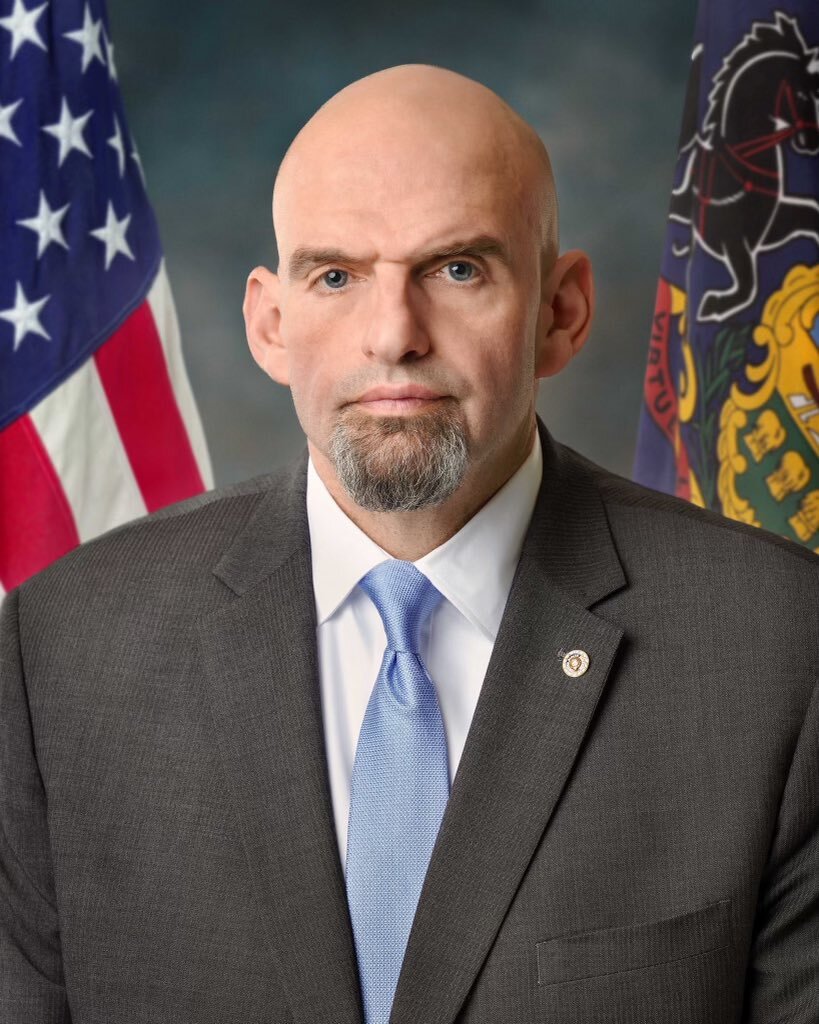
John Fetterman warned about socialism’s rise in the Democratic Party, calling the shift toward socialism “lunacy” after citing a CBS News poll of Democratic respondents. The Pennsylvania senator said 58 percent viewed socialism positively while 50 percent viewed capitalism negatively, casting the findings as evidence that his party is moving in a direction he rejects.
Fetterman’s criticism matters because it lands as democratic socialists and insurgent progressives have won primaries in New York, Los Angeles, Michigan and Colorado. His message is a public challenge to Democrats over whether a growing left-wing current can expand the party’s appeal or make it harder to hold politically competitive seats.
A blunt warning from Fetterman
Fetterman, a Democrat who has increasingly separated himself from parts of his party, described himself as a “proud free market capitalist” in his social-media post. His central claim was not simply that some Democratic candidates hold more progressive views; it was that the party’s broader political identity is being pulled toward socialism.
The immediate basis for his argument was a CBS News poll cited in the report. Among Democratic respondents, 58 percent said they had a very or somewhat positive view of socialism. Eighteen percent held a very or somewhat negative view, while 24 percent had no opinion.
The same poll found 32 percent of Democratic respondents had a positive view of capitalism, while 50 percent had a negative view. Another 18 percent had no opinion.
Those results gave Fetterman a clear contrast to emphasize: more Democratic respondents expressed favorable views of socialism than capitalism. But a favorable response to a broad ideological label is not the same thing as agreement on a governing agenda, a party platform or a specific candidate.
The numbers invite a larger debate
Poll language can carry a lot of political baggage. “Socialism” can mean different things to different voters, ranging from stronger public programs and labor protections to public control of major industries. “Capitalism” can similarly evoke either opportunity and entrepreneurship or concerns about inequality and corporate power.
That ambiguity is important in reading Fetterman’s argument. The poll measures attitudes toward labels, as described in the report; it does not by itself explain what policies each respondent supports, how intensely they hold those views or whether those opinions would determine a vote in a general election.
Still, labels matter in politics because candidates and opponents use them to signal values and draw contrasts. Fetterman is arguing that Democrats should treat the numbers as an electoral warning rather than a sign of ideological energy.
Progressives and democratic socialists would likely see the question differently. They can argue that voters’ skepticism of capitalism reflects worries about housing costs, health care, wages and economic concentration—and that bolder policy proposals are a response to those concerns, not a liability.
Primary wins raise the stakes
Fetterman’s comments followed recent victories by democratic socialists and progressive insurgents in primary contests, according to the report. Primary elections often expose tensions that are easier for a party to postpone during a general-election campaign.
For activists on the left, those wins can demonstrate that voters want candidates who are more forceful on affordability, policing, immigration or corporate power. For Democrats such as Fetterman, they can raise concerns that candidates emerging from primaries may struggle with persuadable voters in closely contested races.
Neither conclusion automatically follows from a collection of local races. Political coalitions vary sharply by state, district and city. A campaign message that works in one heavily Democratic area may not translate to a statewide race in Pennsylvania or a competitive House district elsewhere.
But the pattern has become politically useful to both sides of the internal fight. The left can point to wins as proof of momentum. Moderates can point to ideological labels and difficult policy positions as evidence that the party needs a broader, more cautious appeal.
Fetterman has made this case before
This was not an isolated criticism. In late June, Fetterman warned about the prominence of what he called the “dirtbag left,” referring to left-leaning candidates who identify as democratic socialists and have won primaries.
In remarks to Fox News’s Sean Hannity cited by The Hill, Fetterman criticized candidates associated with proposals to abolish Immigration and Customs Enforcement, the police and the border. Those are particularly charged issues, and not every progressive or democratic socialist supports the same positions.
That distinction remains central to the dispute. Fetterman is grouping a set of ideological trends and candidates into a broader warning about socialism. His critics may argue that doing so oversimplifies a diverse coalition, while supporters may say he is identifying a real problem Democrats have been reluctant to confront.
Sen. Mike Lee, a Utah Republican, responded to Fetterman’s latest post by inviting him to join Republicans. The exchange underlined how quickly a Democratic family argument can become ammunition for the other party.
The coalition test comes next
The immediate question is not whether Democrats will settle the meaning of socialism in one argument. It is whether the party can accommodate its ideological differences without allowing them to define every race.
Fetterman’s intervention reflects a familiar Democratic tension: activists and primary voters can push a party’s priorities, while candidates in competitive elections must assemble support from voters with very different economic and cultural views.
What remains unclear is how representative the cited poll results are of voters Democrats need most in battleground contests, and whether the primary victories Fetterman referenced signal a lasting national shift or a series of local outcomes. Those answers will matter more than any one viral post.
For now, Fetterman has made his position unmistakable. He sees the party’s growing openness to socialism not as an adjustment Democrats should embrace, but as a warning sign they ignore at their own risk.











Leave a Reply