
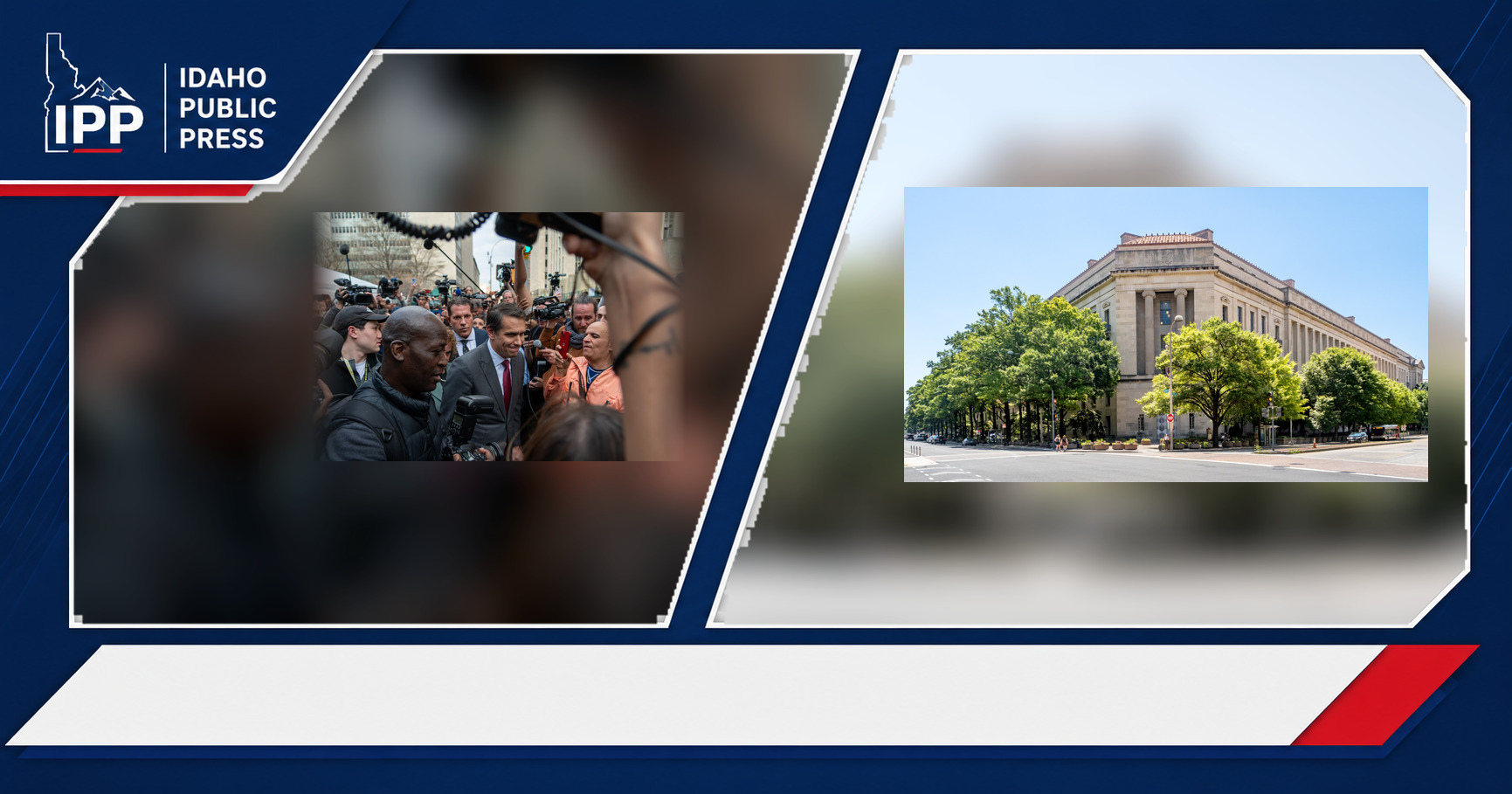
Blanche says a president’s views can be considered without crossing legal or ethical lines. Critics see the position as a consequential test of the Justice Department’s traditional distance from political power.
Todd Blanche declined to pledge that he would always act independently of the White House, saying no attorney general should make such a promise. His comments put fresh focus on concerns about the Justice Department’s independence, particularly over whether President Donald Trump’s preferences could shape individual prosecution decisions.
Blanche, who was confirmed by the Senate after serving as acting attorney general since April, said the Justice Department would enforce the law without fear or favor. But he also said he would consider the president’s views in some circumstances—a distinction that is now central to the debate over his relationship with the White House.
Blanche rejects a categorical promise
In interviews aired Sunday, Blanche was asked directly whether he would commit to always operating independently from the White House. He declined, arguing that an attorney general should not make an absolute pledge of that kind.
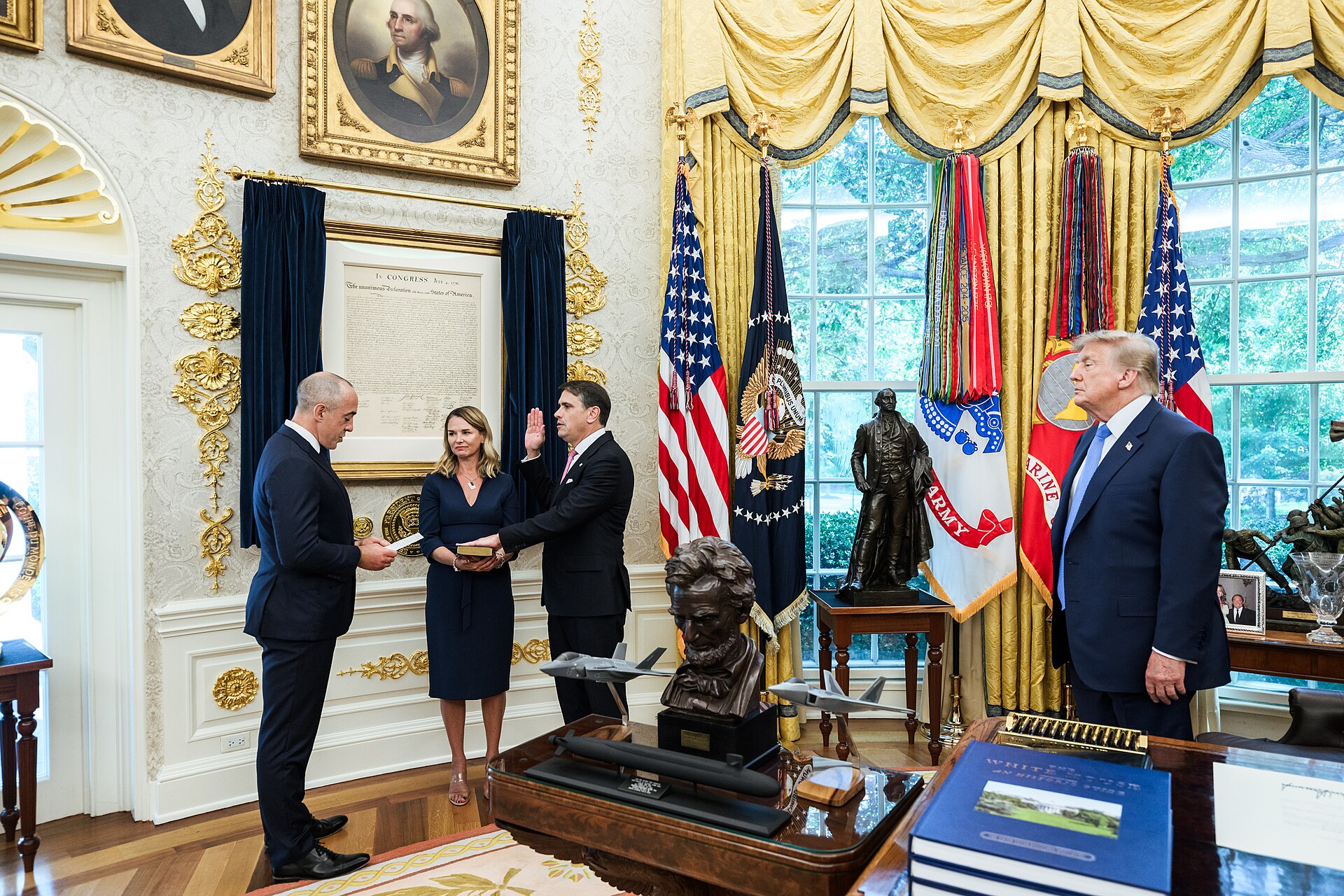
His case is that communication is not the same thing as improper direction. Blanche said Trump has not asked him, and would not ask him, to cross a legal or ethical line. He also maintained that he can disagree with the president and offer candid advice.
That framing matters because the attorney general occupies two roles that can pull in different directions. The job leads an executive-branch department under a president, but it also oversees federal law enforcement and prosecutions, where decisions are expected to rest on facts, evidence and law rather than political advantage.
The key dispute is presidential input
Blanche went beyond defending routine contact with the White House. Asked whether Trump should have a voice in prosecution decisions, he said the answer could depend on the circumstances and that he would take the president’s views into consideration.
He made those comments amid scrutiny of a vandalism case involving the Reflecting Pool that the U.S. attorney in Washington, D.C., had dismissed. Trump had called for the case to be revisited. Blanche did not say whether U.S. Attorney Jeanine Pirro should reopen it, though he defended her work and said Trump supported her.
There is a meaningful difference between a president expressing concern about a case and a president ordering prosecutors to bring, drop or revive charges. Blanche’s position is that hearing a president’s view does not erase that line. His critics are likely to argue that the line is harder to enforce when the attorney general says presidential views belong in the calculation.
Why Justice Department distance matters
The Justice Department is part of the executive branch, so complete isolation from the White House is neither practical nor legally required. Presidents set broad priorities, nominate senior officials and can direct policy across their administrations.
Still, modern administrations have generally tried to maintain a measure of separation around specific criminal investigations and charging decisions. The norm is designed to protect the appearance and reality of evenhanded law enforcement: allies should not receive special treatment, and rivals should not become targets because of politics.
That norm is especially important when cases touch people identified with either political party. The department’s credibility depends not only on whether prosecutors can point to legal authority, but also on whether the public believes comparable conduct is treated comparably.
Blanche’s remarks arrive as the department faces accusations that it is acting on Trump’s political priorities, including in matters involving some of the president’s perceived opponents. Those allegations do not by themselves establish misconduct. They do explain why an attorney general’s language about independence is being examined so closely.
Supporters see accountability, not interference
Blanche’s view has an argument behind it. The attorney general is a presidential appointee, confirmed by the Senate, and voters elect presidents in part on promises about public safety, civil rights, immigration, election enforcement and other federal priorities. Supporters can reasonably argue that an elected president should be able to receive advice and communicate concerns to senior officials.
Blanche also emphasized that Trump wants counsel rather than reflexive agreement. In that account, internal disagreement is evidence of a functioning administration, not proof that the Justice Department has been detached from the president.
His stance on election-related litigation reflects this broader approach. Blanche said the administration could ask the Supreme Court to weigh in on efforts to obtain state voter-roll information before the midterm elections, describing election integrity as an issue Trump campaigned on.
Critics focus on the missing guardrail
Critics are unlikely to be reassured by an assurance that legal and ethical limits will be honored. Their concern is not simply that a president might issue an explicit unlawful order. It is that pressure can be subtle: public demands, private preferences, personnel decisions and the knowledge that a president is closely watching a case can all affect the environment in which prosecutors work.
Blanche’s personal history adds to that scrutiny. Before entering the administration, he was Trump’s personal defense attorney. That does not mean he cannot serve independently as attorney general, but it gives skeptics an additional reason to seek clear public boundaries between the president’s interests and departmental decisions.
The department has also had to address questions surrounding Trump’s proposed “anti-weaponization” fund. Blanche said the fund is dead after it became a confirmation issue, while noting that people who believe they were wronged by the federal government can still pursue established claims processes. He did not guarantee that such claims would exclude people convicted for conduct connected to January 6, 2021.
The test will be specific decisions
The practical test of Blanche’s standard will not be a television interview. It will be how the department documents and explains decisions in politically charged investigations, how prosecutors are allowed to handle evidence, and whether similar cases receive similar treatment.
Several questions remain unanswered. Blanche did not lay out a public rule for when presidential input is appropriate in a particular prosecution, who may convey that input, or what safeguards would prevent it from becoming pressure. Nor did he say how the department would make those boundaries visible to the public.
For now, Blanche is offering a narrower commitment than total independence: the Justice Department can listen to the White House, he says, while remaining bound by law and ethics. Whether that distinction persuades the public will depend on the department’s actions in the cases that follow.





Leave a Reply