
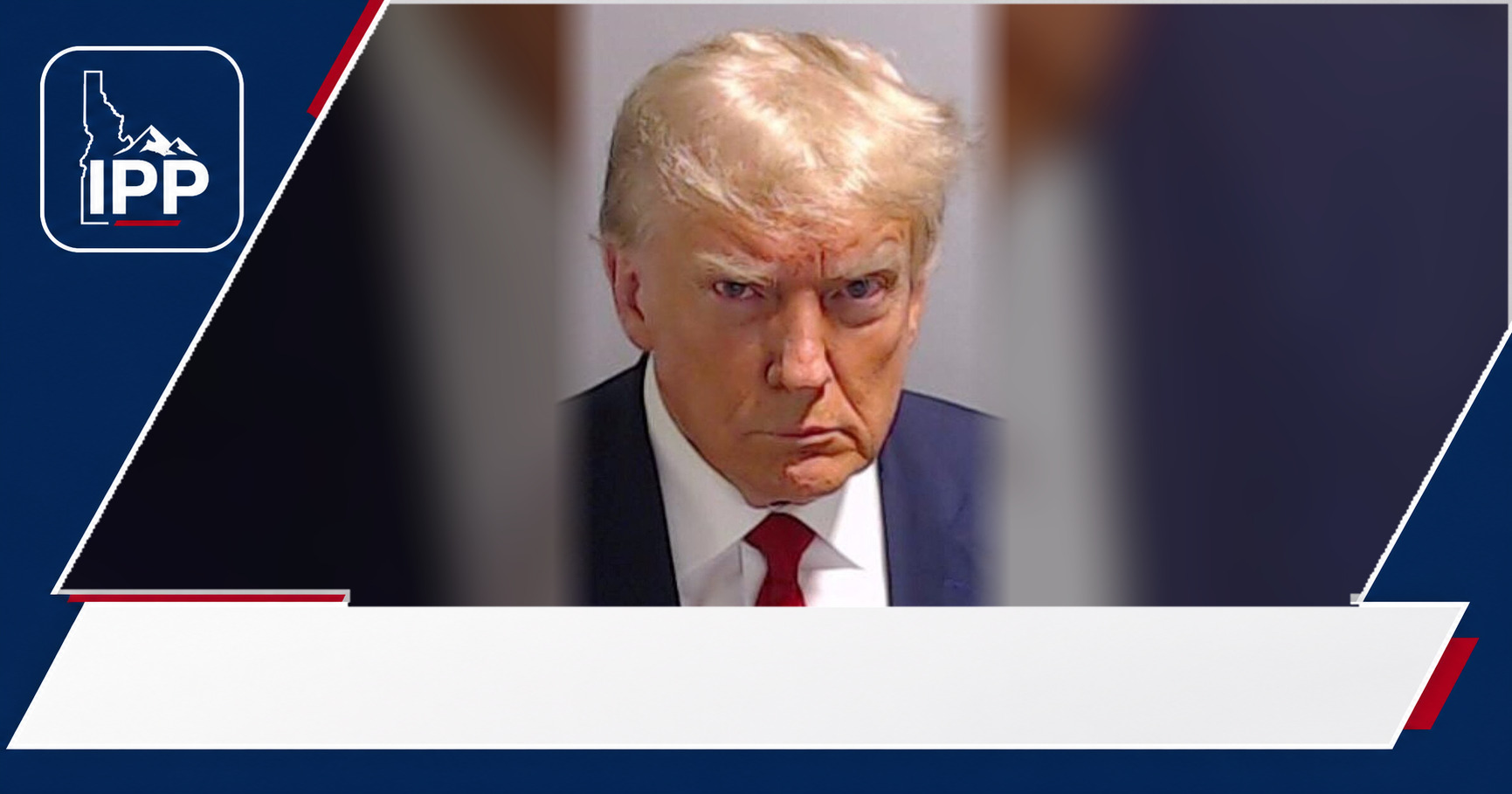
Claims that political donors have benefited from Donald Trump’s policies are drawing renewed scrutiny over the line between political access and public policy. The available evidence raises important questions, but it does not by itself establish that every favorable action was a quid pro quo.
Donald Trump, political donors and the American public are at the center of an opinion-driven allegation that Trump is “caught literally” selling off American interests piece by piece to donors. The available reporting points to claims that Trump administration policies have benefited some donors in the United States, but the larger question is whether those outcomes reflect donor influence or ordinary political alignment.
That distinction matters now because policy choices can affect taxes, regulation, pardons, contracts and enforcement long after an election. A donor receiving a favorable outcome may be a legitimate story; proving that a contribution caused the outcome requires a much higher evidentiary bar.
What the allegation actually claims
The underlying opinion headline makes a sweeping accusation: that Trump has traded away American interests to reward donors. It is a forceful political judgment, not a finding by a court, inspector general or federal ethics agency.
The supporting reporting cited in the research package is more narrowly framed. A Financial Times report says dozens of Trump donors have benefited during his second term, with its summary pointing to legal relief, pardons and policy changes among the kinds of benefits examined.
That is significant, but it is not the same as a demonstrated exchange. Political leaders regularly make decisions favored by industries, advocacy groups and wealthy supporters who share their ideology. The key reporting question is whether records show a direct connection between money, access, official requests and a specific government action.
Benefit is not proof of a deal
There are several levels of concern in any donor-influence story. The first is simple overlap: a donor supports a candidate and later benefits from a policy that candidate favored. That can be politically troubling to critics, but it does not alone show improper conduct.
A stronger concern arises when donors obtain unusual access, receive speedy consideration from government officials or get relief that is difficult to explain on policy grounds alone. The most serious allegation would involve evidence that money was explicitly exchanged for an official act.
The materials provided here do not identify a court ruling or official investigative finding establishing that Trump personally sold American interests to donors. Nor do they provide documentary evidence tying a particular contribution to a particular decision. That gap should not end scrutiny, but it should shape how the claim is described.
Words such as alleged, claimed and reported are not evasions. In political coverage, they are necessary distinctions between a stated view, an observable benefit and a proven act of corruption.
Why donors can still matter
Campaign finance is not a minor side issue in American politics. Donors can help fund advertising, political organizations, legal efforts and turnout operations. They may also gain access to decision-makers that ordinary voters do not have.
The Federal Election Commission maintains public campaign-finance data for Donald Trump and other federal candidates. Those records allow journalists, watchdogs and voters to track fundraising, committees and reported contributions. Disclosure, however, does not automatically reveal the full chain of influence.
Influence can work without a written promise. A donor may have a direct line to officials, a business interest affected by a regulation, and a strong reason to lobby for a particular outcome. That combination can create a public-interest problem even where it falls short of a criminal case.
Supporters of Trump may see the same outcomes differently. They may argue that a president was elected to pursue a stated agenda, and that it is unsurprising for supporters of that agenda to benefit when it is enacted. In that view, shared interests are not evidence of a bargain.
The public-interest test
The most useful question is not whether every policy has winners. Every major presidential action does. Tax changes help some taxpayers more than others; regulatory decisions affect competitors differently; enforcement priorities create advantages and costs across an industry.
The harder question is whether government can explain its choices in terms that apply beyond a donor’s balance sheet. Was a decision grounded in a published policy goal? Did agencies follow ordinary procedures? Did experts, career officials and affected communities have a meaningful role? Are the reasons for the action available for public review?
When the answers are unclear, public trust erodes. Voters may conclude that rules are written by and for people with wealth, connections or privileged access. That skepticism can outlast any single administration because it weakens confidence that institutions serve citizens on equal terms.
Critics of Trump’s administration argue that donor benefits deserve especially close review because the alleged pattern spans multiple kinds of government action. Defenders can fairly respond that favorable policy outcomes are not inherently corrupt. The credibility of either position rests on records, timelines and evidence, not rhetoric alone.
What evidence would clarify it
A rigorous examination of donor influence would compare contribution records with meeting logs, lobbying disclosures, agency actions and the chronology of major decisions. It would also ask whether similar relief was available to people or companies without political ties.
Useful evidence could include internal communications, formal requests from donors or their representatives, documented White House access, deviations from ordinary agency practice, and explanations from officials who made or reviewed the decisions. Independent oversight findings would carry particular weight.
It is also important to examine counterexamples. If a major donor sought a policy change and did not get it, that can complicate claims of a simple pay-for-access system. If a broader policy benefited donors and non-donors alike under transparent rules, that is different from a tailored intervention for one connected person.
Without that level of documentation, broad claims about “selling off America” remain an opinion-based interpretation of reported donor benefits rather than an established fact.
Scrutiny should outlast the headline
The political value of a dramatic headline is obvious: it turns a complicated concern about access and influence into a blunt moral charge. The public value lies in doing the slower work afterward.
That means following the money, identifying the policy, checking who benefited, asking whether normal procedures were followed and separating confirmed facts from inference. It also means applying the same standard to every administration, party and donor network.
The available reporting supports scrutiny of whether Trump donors have received favorable treatment through legal relief, pardons or policy changes. It does not, on its own, prove that Donald Trump traded American interests for contributions. The unresolved space between those two conclusions is where accountable political reporting has to operate.








Leave a Reply