
The episode has put a spotlight on the tension between protecting a president through secrecy and safeguarding the journalists and staff who travel alongside him. Trump says he followed Secret Service and military direction, but unanswered questions remain about who was told and when.
Donald Trump secretly switched planes in Turkey on July 8, leaving journalists traveling with him aboard the original aircraft without knowing he had departed. The journalists said they deserved a warning after the White House moved Trump to another plane over a perceived threat from Iran, raising questions about whether their safety was weighed in a security operation designed to protect the president.
The switch occurred last month after a NATO summit in Ankara, before Trump traveled to Britain. Trump has since said he followed the direction of the Secret Service and military, but the episode has sharpened a basic dispute: how much can officials disclose when secrecy is itself part of the security plan?
A hidden departure from Turkey
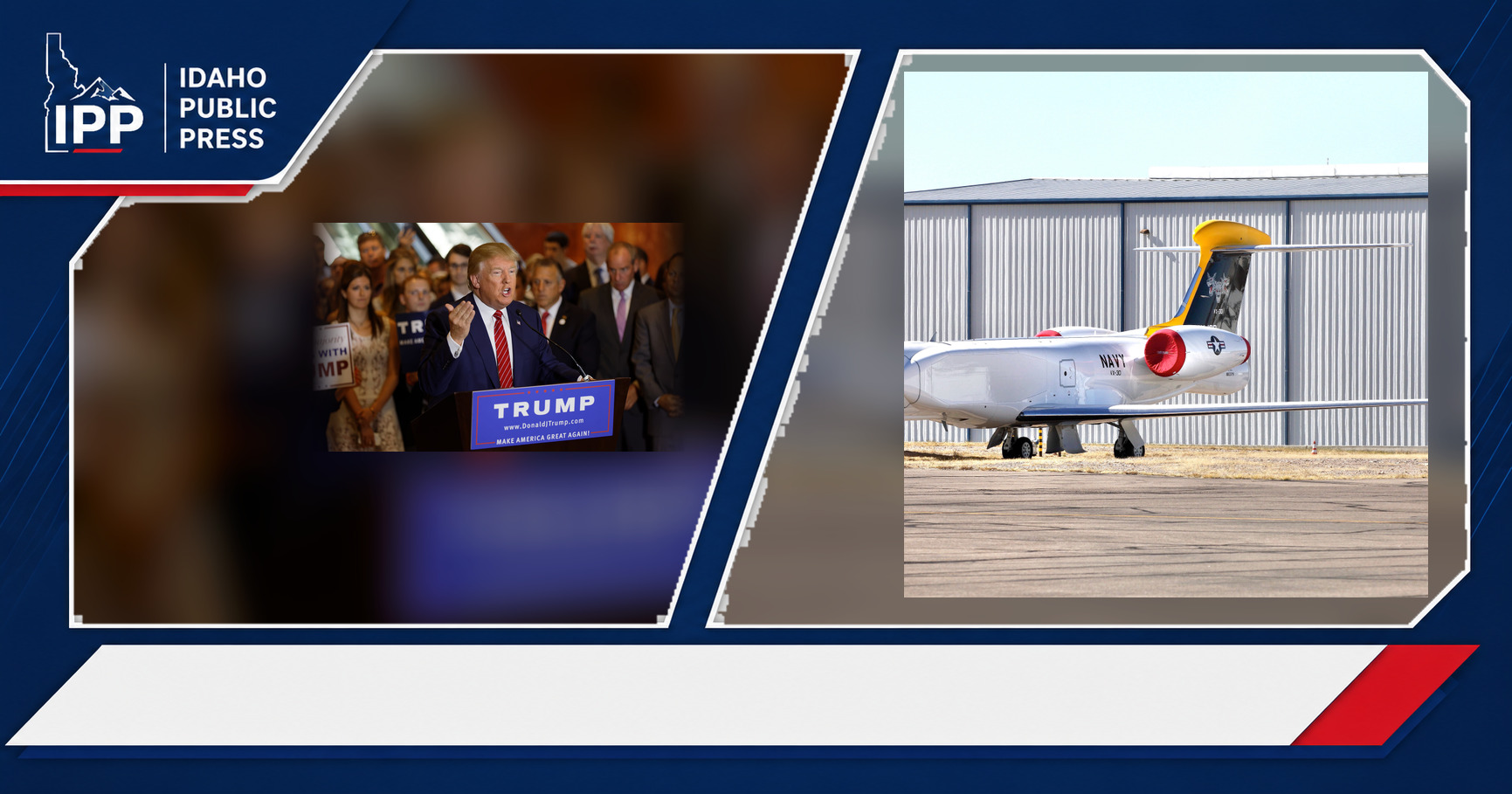
According to reporting by The Washington Post and the BBC, Trump boarded Air Force One in view of television cameras after the summit, then was covertly moved to a different military aircraft. Journalists and some White House staff remained on the original plane, apparently unaware that the president was no longer aboard.
The maneuver turned the first aircraft into what was effectively a decoy. The purpose, as described in the reports, was to complicate any effort to identify the plane carrying the president if a threat materialized.
Officials told CBS News, the BBC reported, that U.S. authorities had detected what they considered a credible Iranian threat involving a possible missile attack on the president’s aircraft. The New York Times separately reported that intelligence information involved a person near the summit seen with a shoulder-fired missile.
Those reports describe a serious security concern, but they do not settle every detail of the operation, including precisely what people on the original plane were told before departure and what risk assessment was made for them.
Why the press says warning mattered
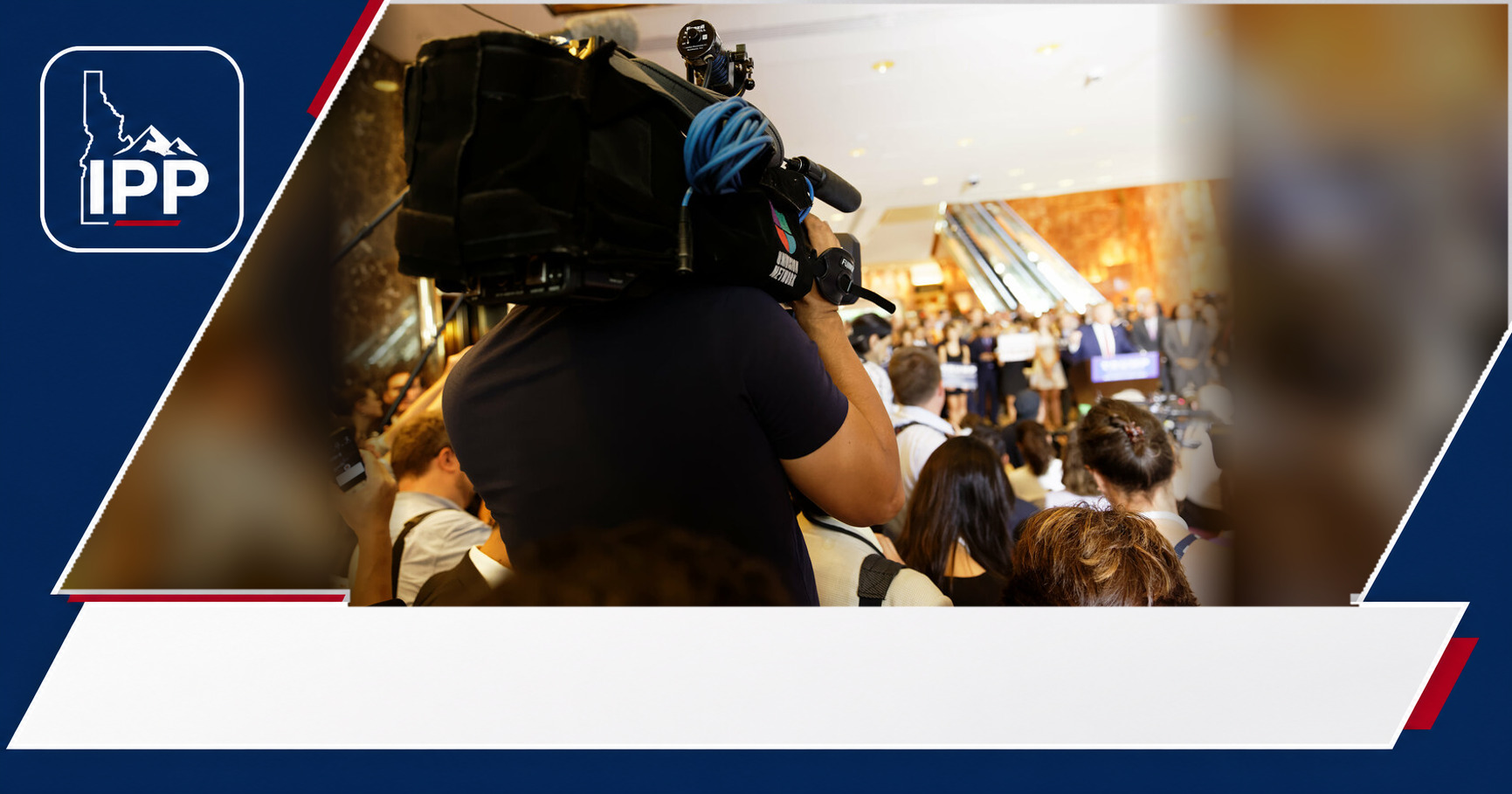
Journalists who travel with a president are not casual passengers. The press pool is part of the infrastructure of a presidency: reporters document official travel, relay urgent information to other news organizations and provide a measure of public visibility around presidential activity.
That role does not erase the security constraints faced by the Secret Service or military planners. Still, the journalists’ complaint is not simply that they missed a logistical update. It is that they were left on an aircraft they later learned may have been intended to draw attention away from Trump.
That distinction explains why the episode has prompted criticism beyond ordinary frustration with travel arrangements. If the original aircraft was thought to be more visible or more likely to attract attention, the people remaining on it had a direct interest in understanding the danger they might face.
The Washington Post reported that some journalists felt deceived and questioned whether the White House had considered their safety. Their argument is that a carefully limited warning could have respected operational secrecy while giving those aboard enough information to make sense of an extraordinary situation.
Trump cites military and Secret Service
Trump has defended the decision as one driven by his security advisers. “I go by Secret Service and the military,” he told reporters, according to the BBC. “They wanted me to go in a different flight, different plane. I just have to do what they say.”
He also suggested the aircraft carrying him could have faced the greater risk because it was the one an attacker might be most likely to target. That framing points to the central rationale for the ruse: uncertainty about which plane held the president may have been viewed as a protection for everyone involved.
Presidential security operations routinely limit what is shared publicly and, at times, internally. Routes, schedules, motorcade movements and aircraft plans can change rapidly when officials identify a threat. Disclosing an intended switch too broadly could undermine the very deception meant to reduce danger.
But secrecy is not an all-or-nothing proposition. The unresolved issue is whether officials had a workable way to tell the affected passengers that an unusual security measure was underway without revealing Trump’s location, destination or travel plan.
The decoy-plane dilemma
There are competing ways to read the same facts. One view is that the protection detail made a hard but justified call in a potentially dangerous environment. Under that view, notifying a large group of journalists and staff might have increased the chance of a leak or created confusion at a moment when speed and concealment mattered.
The other view is that the government asked people to remain in a potentially exposed position without giving them information material to their personal safety. The fact that journalists were traveling in an official capacity makes that concern especially pointed: they were there because the presidency depends on an independent press presence.
Neither argument requires assuming that the threat was either exaggerated or certain to occur. Security decisions are often made under uncertainty, based on intelligence that may be incomplete and cannot always be publicly described. Yet uncertainty is also why communication choices matter, particularly for people placed inside a protective operation they did not design.
The controversy may also influence future presidential travel. Press organizations and White House officials could seek clearer protocols for when the president is separated from the traveling press pool, how quickly that information is conveyed and what duty of care applies to staff and reporters left behind.
Questions still need answers
The public reporting establishes the broad sequence: Trump departed the July 8 NATO summit in Turkey, switched aircraft because of a perceived Iran-linked threat, and journalists on the original plane did not know the switch had happened. It does not provide a complete public account of the internal decisions.
It remains unclear which officials authorized the communications plan, whether anyone objected before departure, and whether passengers received any later security briefing while in transit. It is also unclear whether the White House will alter its procedures after the journalists’ objections.
For now, the incident stands as a reminder that presidential protection can create risks and ethical questions beyond the president’s own aircraft. The Secret Service and military may have had compelling reasons to act quickly and quietly. The reporters left aboard the original plane are asking whether protecting that secrecy required leaving them entirely in the dark.
Why this episode reaches beyond one trip
The dispute matters because the traveling press is one of the few regular forms of real-time public observation around a president. When the relationship between the White House and that press pool breaks down, the immediate conflict may be about an airplane, but the longer-term concern is trust.
Security officials need flexibility when threats emerge. Journalists need enough transparency to safely perform their role and to know when the conditions of their travel have fundamentally changed. The challenge after the Turkey operation is not choosing between security and accountability, but determining whether the government can better protect both.
Sources: The Washington Post’s Aug. 15 report on the journalists’ concerns; BBC reporting on Trump’s confirmation of the plane switch and the reported threat information.

Leave a Reply