

Baker’s expected exit would remove a senior official familiar with the administration’s Iran policy at a delicate moment. It also follows press secretary Karoline Leavitt’s planned departure, adding to questions about continuity inside the White House.
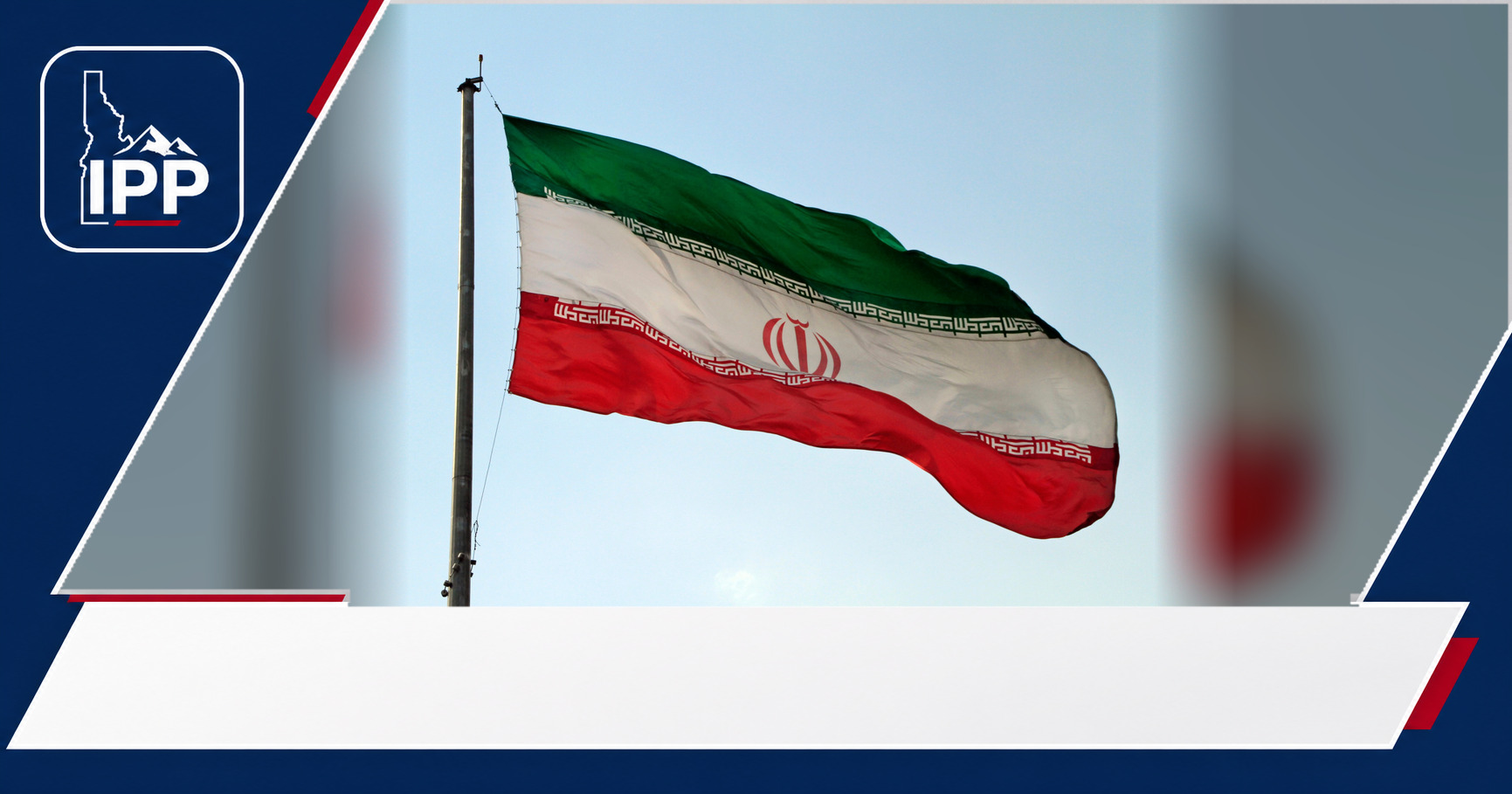
Donald Trump’s White House is facing another prominent departure: deputy national security adviser Andy Baker is expected to leave the administration within several weeks, according to reporting cited by The Blast. Baker’s expected exit comes as tensions with Iran are escalating and disruptions mount in the Strait of Hormuz, where commercial shipping has become a central regional security concern.
The timing matters because Baker reportedly helped shape Trump’s foreign policy during the first 18 months of his second term. His departure would come shortly after White House press secretary Karoline Leavitt said she plans to step down at the end of August, creating two high-profile vacancies with very different but important functions.
Baker’s exit comes at a sensitive time
Baker confirmed his planned departure in a statement to Axios, saying he was proud of the administration’s work and grateful to Trump, Vice President JD Vance and Secretary of State Marco Rubio. Sources cited by Axios said he stayed longer than first expected to help with an orderly transition.

The reported reason is personal rather than political. Baker has told people close to him that he wants to spend more time with his family and is expected to move to the private sector, according to the reporting.
That distinction is important. Neither Baker nor the White House has publicly tied his exit to a disagreement over Trump’s approach to Iran, the Strait of Hormuz or stalled diplomacy. Still, senior departures can carry added weight when the policy portfolio involved is under immediate pressure.
A foreign-policy role with reach
Before joining the White House, Baker worked as a State Department foreign service officer and later advised Vance when Vance served in the Senate. That relationship reportedly made Baker an influential figure in Trump’s second administration.
His portfolio reportedly included work on policy toward China and Iran. He was described as a China hawk, but his role was broader than a single regional issue: deputy national security advisers often coordinate options, information and decisions across the White House, State Department, Pentagon and intelligence agencies.
That kind of work is not always visible to the public. It can be decisive when an administration must translate a president’s broad goals into military posture, diplomatic outreach, sanctions policy and communications with allies.
Baker was also reportedly involved in the administration’s approach to the U.S. naval blockade involving Iran and the Strait of Hormuz. If that account is accurate, his successor will inherit an unusually demanding brief rather than a routine handoff.
Iran diplomacy remains unsettled
The central backdrop is an uncertain diplomatic process with Tehran. The Blast reported that Baker had been involved in negotiations and helped draft a June memorandum of understanding meant to establish a framework for ending the conflict and continuing talks on Iran’s nuclear program and sanctions relief.
That process has reportedly stalled, with Tehran stepping away from the arrangement and the United States seeking to bring Iran back to negotiations. The status of any future ceasefire effort, the terms each side could accept and the path to renewed talks remain unclear.
For supporters of the administration’s approach, changing personnel does not necessarily mean changing policy. A White House can appoint a successor who shares Baker’s views, while Rubio, Vance and other senior officials continue to drive the broader strategy.
Critics, however, may see a loss of institutional knowledge at precisely the wrong moment. Negotiations are often shaped by details, private assurances and relationships built over months. A replacement can receive a briefing, but may not immediately have the same familiarity with the people and compromises involved.
Hormuz disruption raises the stakes
The Strait of Hormuz is a narrow waterway connecting the Persian Gulf to the Gulf of Oman, and it is one of the world’s most consequential shipping routes. Threats to commercial transit there can quickly affect energy markets, insurance costs and the calculations of governments far beyond the Middle East.
The United Arab Emirates accused Iran of using drones to attack two vessels operated by the state-owned Abu Dhabi National Oil Company, according to Reuters reporting cited by The Blast. The ships reportedly sustained minor damage and no casualties were reported.
The UAE characterized the alleged attacks as piracy and warned that attacks on commercial vessels threaten regional stability and global energy security. Iran had not publicly responded to the allegation at the time of Reuters’ report.
The competing pressures are clear: Washington has an incentive to protect shipping and deter further attacks, while also avoiding steps that could close off diplomatic channels or widen a conflict. Personnel continuity does not solve that problem, but it can affect how quickly the White House responds.
Leavitt’s departure adds another vacancy
Baker’s expected exit follows Leavitt’s announcement that she will leave her role as press secretary at the end of August to focus on raising her children. She returned from maternity leave in July after giving birth to a daughter in May, according to the report.
A national security aide and a press secretary do not perform interchangeable jobs. Yet both roles matter during a period of overseas tension: one helps manage policy choices behind closed doors, while the other explains and defends those choices in public.
Leavitt has been a close and prominent defender of Trump’s agenda since the campaign. Trump had not announced a permanent replacement for her at the time of the report, leaving open questions about when both vacancies will be filled and whether interim officials will take on expanded responsibilities.
The test is continuity, not symbolism
White House turnover is often treated as a political signal, and sometimes it is. In this case, the available reporting does not establish that Baker is leaving because of an Iran-policy dispute, so it would be premature to portray the move as a rupture within Trump’s team.
The more immediate issue is operational continuity. The administration must decide who will handle Baker’s responsibilities, how much authority that person will have and whether the transition changes the pace of decisions on Iran, maritime security and possible negotiations.
For Trump, the near-term challenge is to show that a key adviser’s exit will not leave the White House flat-footed during a volatile stretch. The answer will depend less on the headline around Baker’s departure than on the successor chosen, the clarity of the administration’s Iran strategy and whether diplomacy or disruption in the Strait of Hormuz sets the next agenda.






Leave a Reply