
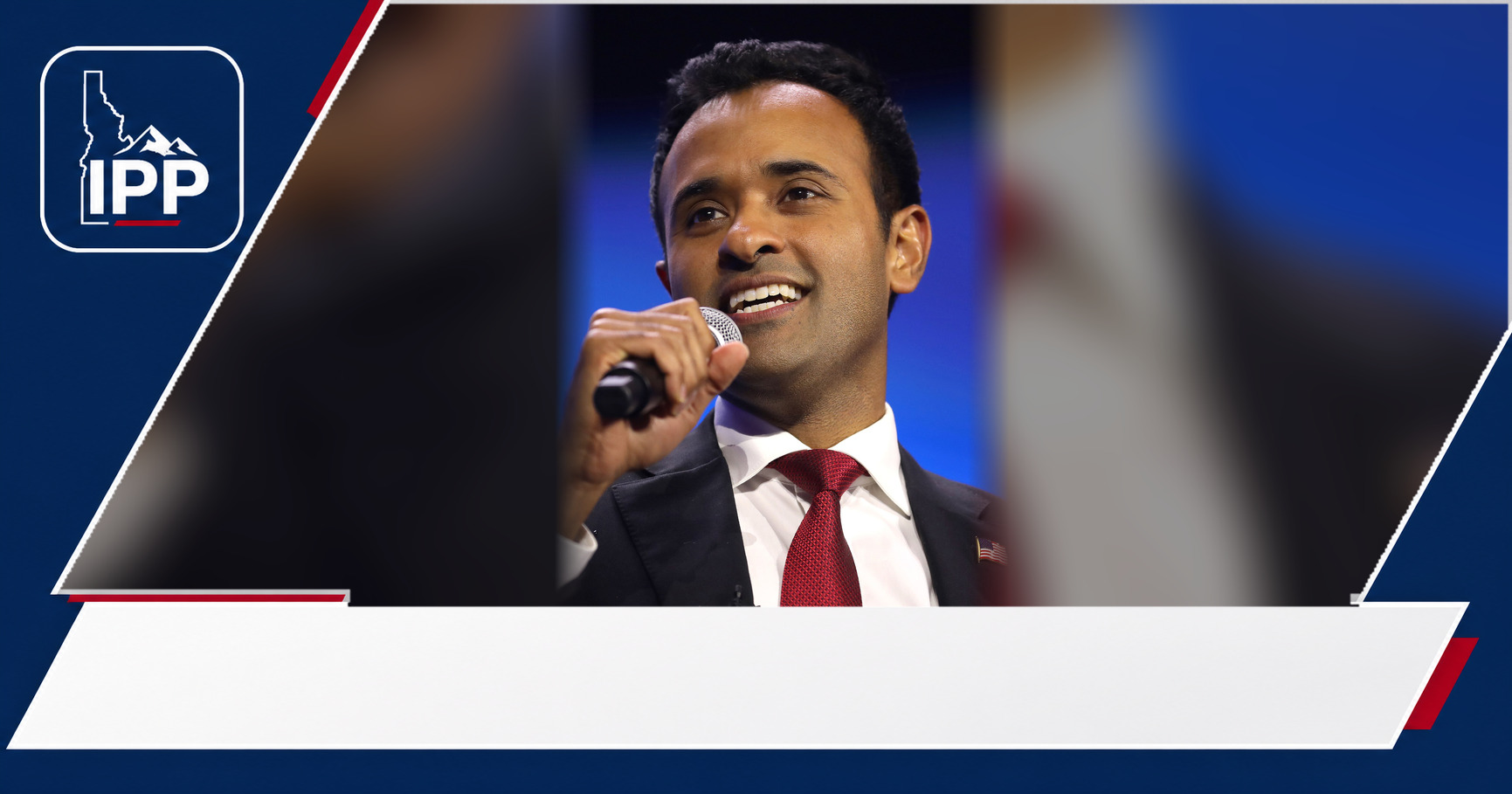
The latest Fox News-sponsored survey gives Republican Vivek Ramaswamy a narrow advantage over Democrat Amy Acton. Other recent polls have pointed in different directions, underscoring how unsettled Ohio’s 2026 governor race remains.
Vivek Ramaswamy leads Amy Acton, 50% to 48%, among registered voters in a Fox News-sponsored poll of Ohio’s 2026 governor’s race. The result gives the Republican a narrow edge, but it also shows a competitive Ohio contest in which a small shift could change who is ahead.
The poll, conducted by Beacon Research and Shaw & Company Research from Aug. 6 to 10, is one snapshot rather than a verdict. Recent polling has put both Ramaswamy and Acton in front at different points, making the fight to succeed term-limited Gov. Mike DeWine one of the more closely watched statewide races of 2026.
A two-point edge, not a cushion
A 50%-48% result is close by any practical campaign measure. It suggests neither candidate has yet built a durable statewide advantage large enough to make the race look secure.
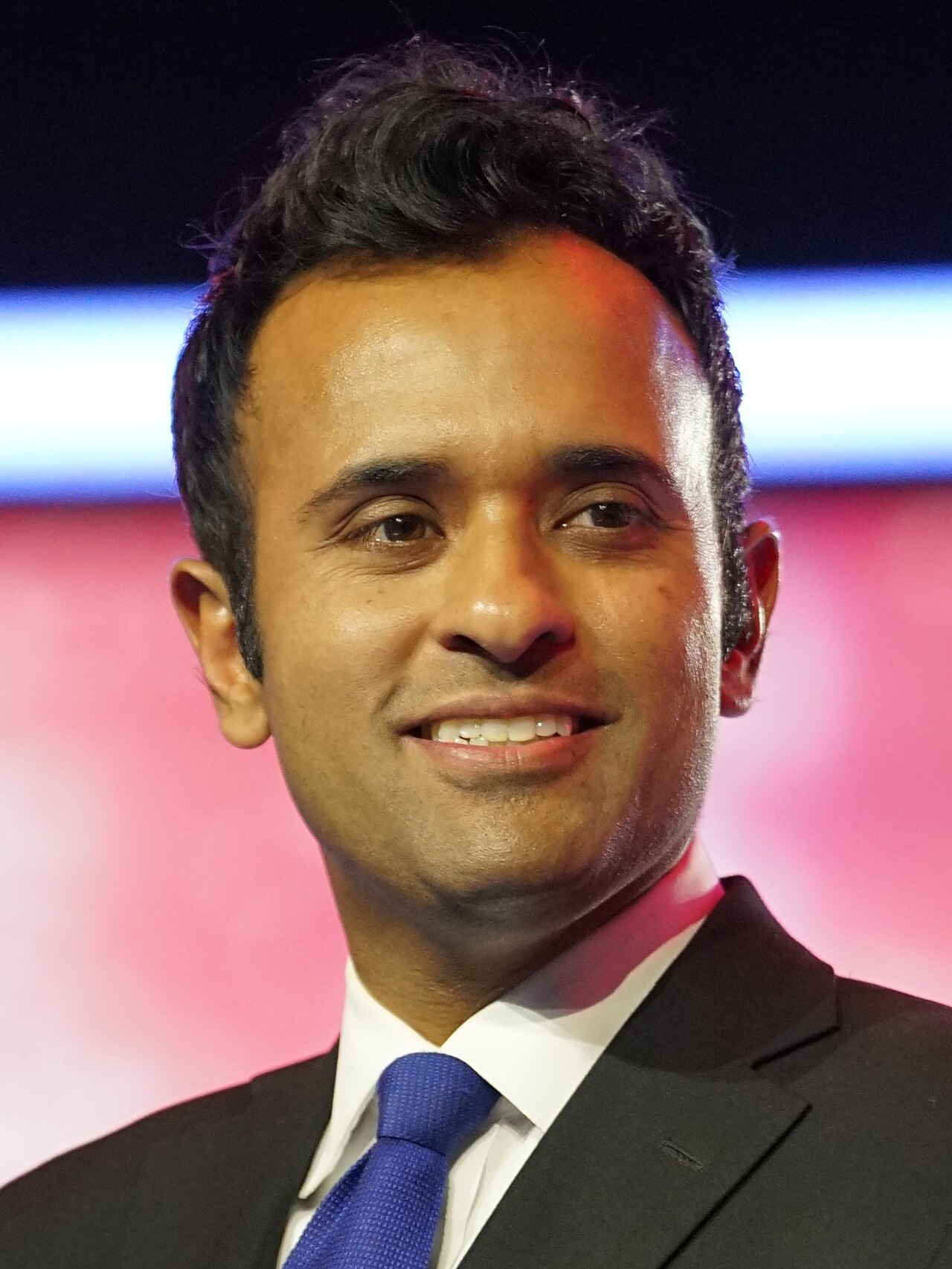
For Ramaswamy, the number offers evidence that his high national profile can translate into support in his home state. The entrepreneur and former Republican presidential candidate won his party’s nomination after entering a crowded and closely scrutinized GOP contest.
For Acton, the result leaves a clear path. A two-point gap can be affected by turnout, undecided voters, the way a survey reaches respondents and the poll’s margin of sampling error, which was not provided in the research available here.
Why the Fox poll matters
The Fox News survey was conducted by Beacon Research and Shaw & Company Research between Aug. 6 and Aug. 10. Its 50%-48% topline is the basis for the current claim that Ramaswamy leads in the Ohio governor race.
Poll sponsorship and methodology deserve attention, but sponsorship alone does not establish whether a result is right or wrong. The more useful test is whether a survey’s methods are transparent, its findings fit with other quality polling and its results hold up as more data arrives.
That last point is especially important in Ohio, where the available polling record has not shown a consistent leader. A narrow Ramaswamy edge is meaningful, but it is not the same thing as a prediction of the November outcome.
Recent surveys tell a mixed story
The polling average and survey list tracked by The New York Times show a race that has repeatedly tightened and shifted. Before the Fox-sponsored poll, surveys released in recent weeks had given Acton small advantages or shown the candidates tied.
- A Wedgewood Polls survey conducted Aug. 11 through 13 put Acton ahead by 1 point.
- A Tulchin Research poll conducted July 29 through Aug. 4 gave Acton a 2-point lead; it was sponsored by Democrat John Kulewicz.
- A New York Times/Siena University poll conducted June 15 through 28 found the race even.
- An AARP-sponsored Fabrizio Ward/Impact Research survey from June 14 through 16 showed Acton ahead by 3 points.
- An earlier Beacon Research/Shaw & Company Research poll for Fox News, conducted May 28 through June 1, gave Acton a 1-point advantage.
Different polls can vary for legitimate reasons: who is contacted, whether the survey is by phone, text or online, how likely voters are identified, and when interviews occur. The pattern still delivers a straightforward message: neither side has broken away.
Two candidates with distinct profiles
Ramaswamy brings unusual name recognition for a first-time statewide candidate. He built a public profile as a biotechnology entrepreneur, an author and a 2024 presidential contender, where he became known for combative criticism of progressive cultural politics and parts of the Republican establishment.
Acton is a former director of the Ohio Department of Health whose visibility rose sharply during the COVID-19 pandemic. Her regular public briefings made her one of the state’s best-known officials, though they also made her a polarizing figure for some voters.
The contrast gives the general election a clear personal and political frame. Ramaswamy is seeking to present himself as an outsider with a national platform, while Acton is campaigning on a record of public service and familiarity with Ohio voters.
Ohio’s history adds tension
Republicans have dominated recent elections for governor in Ohio. Democrats have not won the governor’s office in roughly two decades, a record that gives Ramaswamy’s party a meaningful structural advantage.
Yet statewide history is not a substitute for current voter sentiment. The survey results cited in recent polling show Acton either narrowly ahead, tied or narrowly behind depending on the poll, suggesting that party history has not settled the contest.
That combination is what makes the race consequential: Ohio remains a Republican-leaning state in many recent statewide races, but the governor’s campaign is still being fought on narrow margins rather than broad partisan assumptions.
What could move the race next
The next run of public surveys will help show whether Ramaswamy’s 50%-48% lead is the start of a sustained advantage or simply another change in a race that has been close for months. Candidate debates, campaign advertising, fundraising and the eventual turnout operation will matter more as Election Day approaches.
Voters should also look beyond any single headline number. Poll dates, sample type, undecided-voter share, methodology and the findings of multiple independent surveys offer a better picture than one release alone.
For now, the clearest conclusion is limited but significant: Ramaswamy has a measured polling lead in the Fox News survey, while Acton remains within striking distance in a 2026 Ohio governor race that is still very much open.









Leave a Reply