
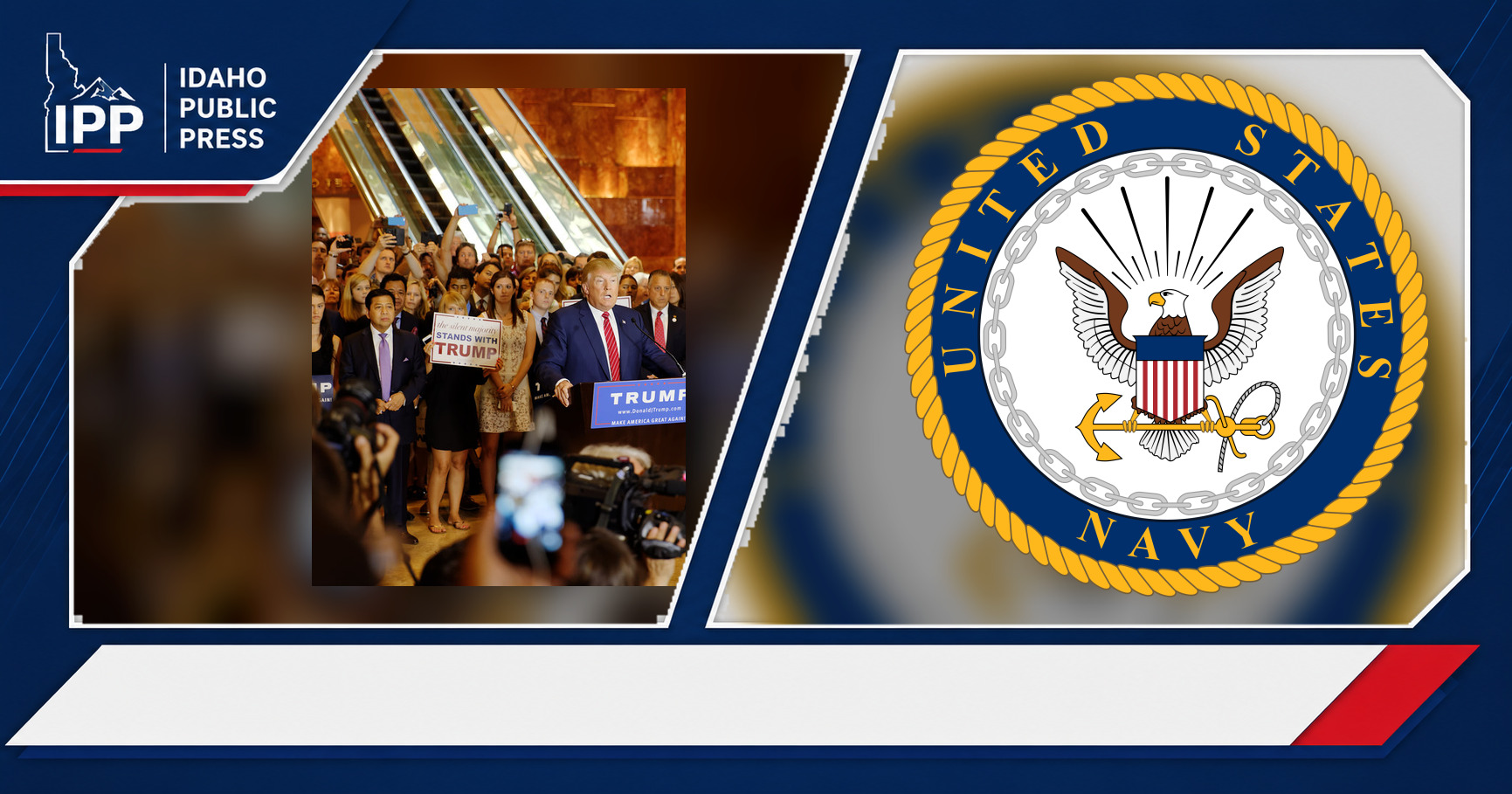
The administration’s wait-and-see approach moves away from an immediate major military campaign or a quick diplomatic breakthrough. Its success may depend on whether economic pain changes Tehran’s calculations without deepening the regional conflict.
Donald Trump is shifting again toward economic pressure on Iran after Iran has not met Trump’s demands, with the United States relying on financial sanctions and pressure around Iranian ports rather than an immediate large-scale military campaign or a diplomatic settlement. The renewed pressure campaign matters because Tehran’s stance, including demands tied to shipping through the Strait of Hormuz, keeps a key global trade route and a wider Iran war in limbo.
U.S. officials told The Wall Street Journal that Trump has adopted a wait-and-see approach. The calculation is that economic harm may produce leverage where military attacks and diplomacy have not delivered the outcome he wants.
Pressure becomes the holding strategy
The central feature of the approach is restraint of a particular kind. Trump is not presenting economic pressure as a side policy while Washington races toward a deal; it is the tool being given time to work.
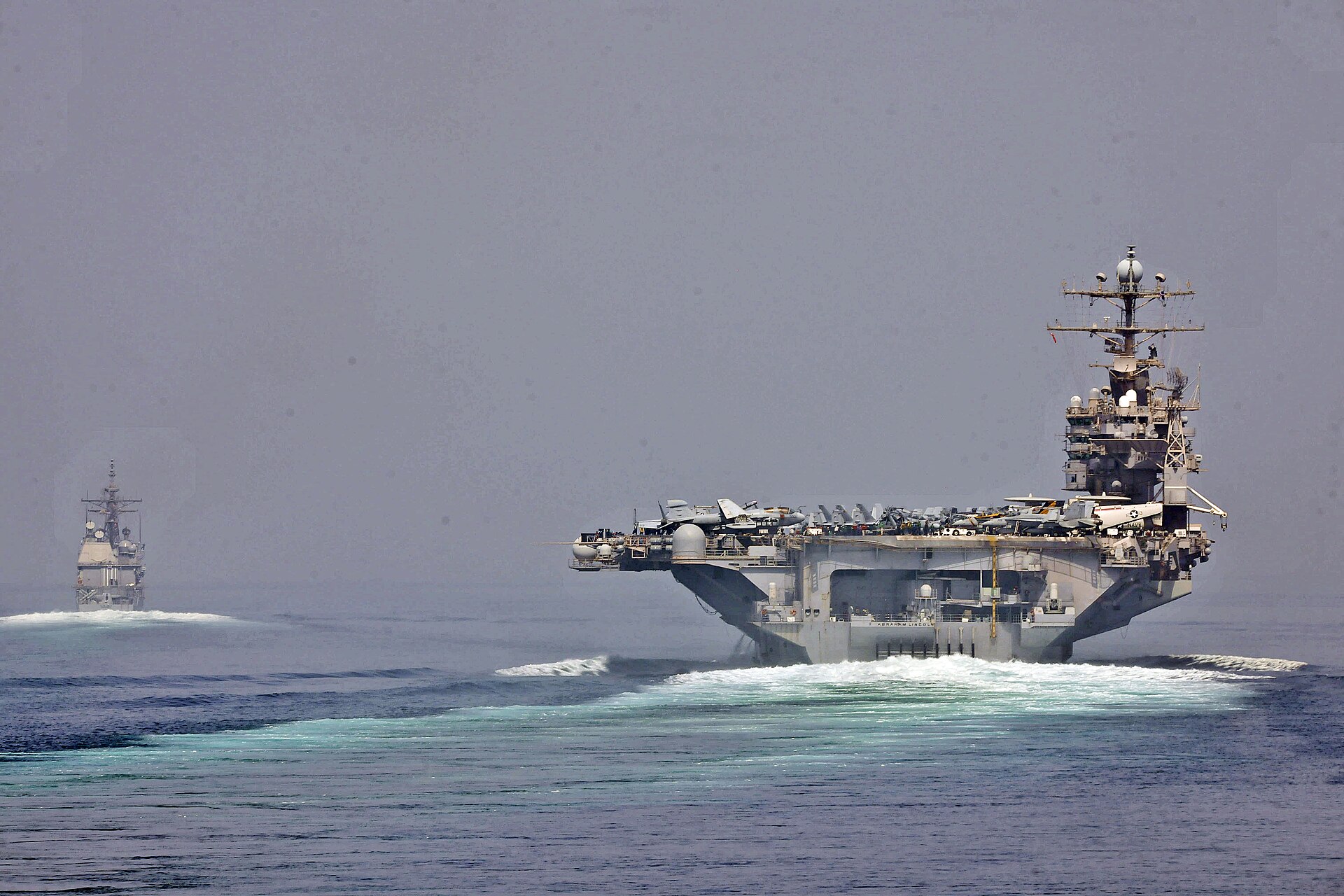
According to the Wall Street Journal, the administration is leaning on financial sanctions and a U.S. naval blockade of Iranian ports. The aim is to worsen the economic cost to Iran while avoiding a return to all-out war.
That leaves the White House trying to hold together two positions that are often difficult to sustain: it wants to demonstrate resolve toward Tehran while avoiding the costs, risks and unpredictability of another major military operation.
Why Trump is stepping back
NBC News reported that Trump had said a week earlier that he was calling off what it described as the biggest military attack since World War II because an agreement to end the Iran war appeared close. The anticipated breakthrough did not materialize.
Now the public signal is markedly less urgent. Reuters reported Aug. 9 that Trump said the United States was “low keying it” while watching economic pressure build on Iran.
That wording suggests an effort to lower the temperature without surrendering leverage. It also reflects the narrow space between the administration’s least attractive options: a larger war, negotiations it may view as unlikely to succeed, or a prolonged standoff that carries costs of its own.
Hormuz keeps the stakes high
The dispute is not confined to private diplomatic exchanges. NBC News reported that Tehran issued a new list of demands it says Washington must meet before ships can move freely through the Strait of Hormuz.
The waterway is one of the world’s most consequential maritime chokepoints, making any limits on navigation an international economic concern as well as a direct U.S.-Iran confrontation. Disruption can affect energy markets, shipping schedules, insurance costs and the calculations of countries with no role in the dispute.
Iran’s demands place Washington in a difficult position. Meeting them could be portrayed as conceding under pressure; refusing them may reinforce the conditions for a longer confrontation around shipping and trade.
Sanctions can create leverage, not certainty
Economic pressure has long been a familiar element of U.S. policy toward Iran. Sanctions can restrict access to revenue, banking channels, imports and investment, while maritime enforcement can add pressure on the movement of goods.
But pressure alone does not guarantee political concessions. Iranian leaders may decide that yielding to U.S. demands would carry greater domestic or strategic costs than absorbing economic damage. They may also look for ways to soften the effects through informal trade networks, alternative buyers or support from outside partners.
Supporters of the approach can argue that it gives the United States leverage without immediately expanding combat operations. Critics can counter that a blockade and deepening economic squeeze risk punishing civilians, hardening Tehran’s position and creating fresh opportunities for miscalculation at sea.
A blockade raises its own risks
Military action is not only measured by airstrikes or ground deployments. A naval blockade of Iranian ports, as described by U.S. officials to the Wall Street Journal, would place U.S. forces and commercial shipping in a tense operating environment.
The practical questions are substantial: how broadly the restrictions are enforced, which vessels are affected, how Iran responds, and whether other governments accept Washington’s legal and strategic rationale. None of those details were fully clear in the reporting.
The strategy can therefore be seen as a pause, but not necessarily a de-escalation. It reduces the prospect of an immediate all-out offensive while keeping coercive tools in active use.
What could determine the next move
The next phase will likely turn on whether Iran changes its position, whether shipping conditions in and around the Strait of Hormuz improve, and whether economic pressure produces visible effects that the White House considers meaningful.
It also remains unclear what specific concessions Trump would accept as sufficient, what terms Tehran would consider workable, and how long either side is prepared to endure a stalemate. Those unanswered questions matter because both sides are signaling resolve while leaving room for a different outcome.
For now, Trump’s Iran policy appears to be an attempt to buy time and create leverage at once: defer a bigger military decision, avoid betting on immediate diplomacy, and test whether sustained economic pressure can break an impasse that neither side has yet resolved.






Leave a Reply