
Trump’s White House remarks combined an executive order on childhood vaccination with medical claims that scientists and major physician groups say are not supported by evidence. The dispute matters for parents weighing routine care, fever treatment and immunization decisions.
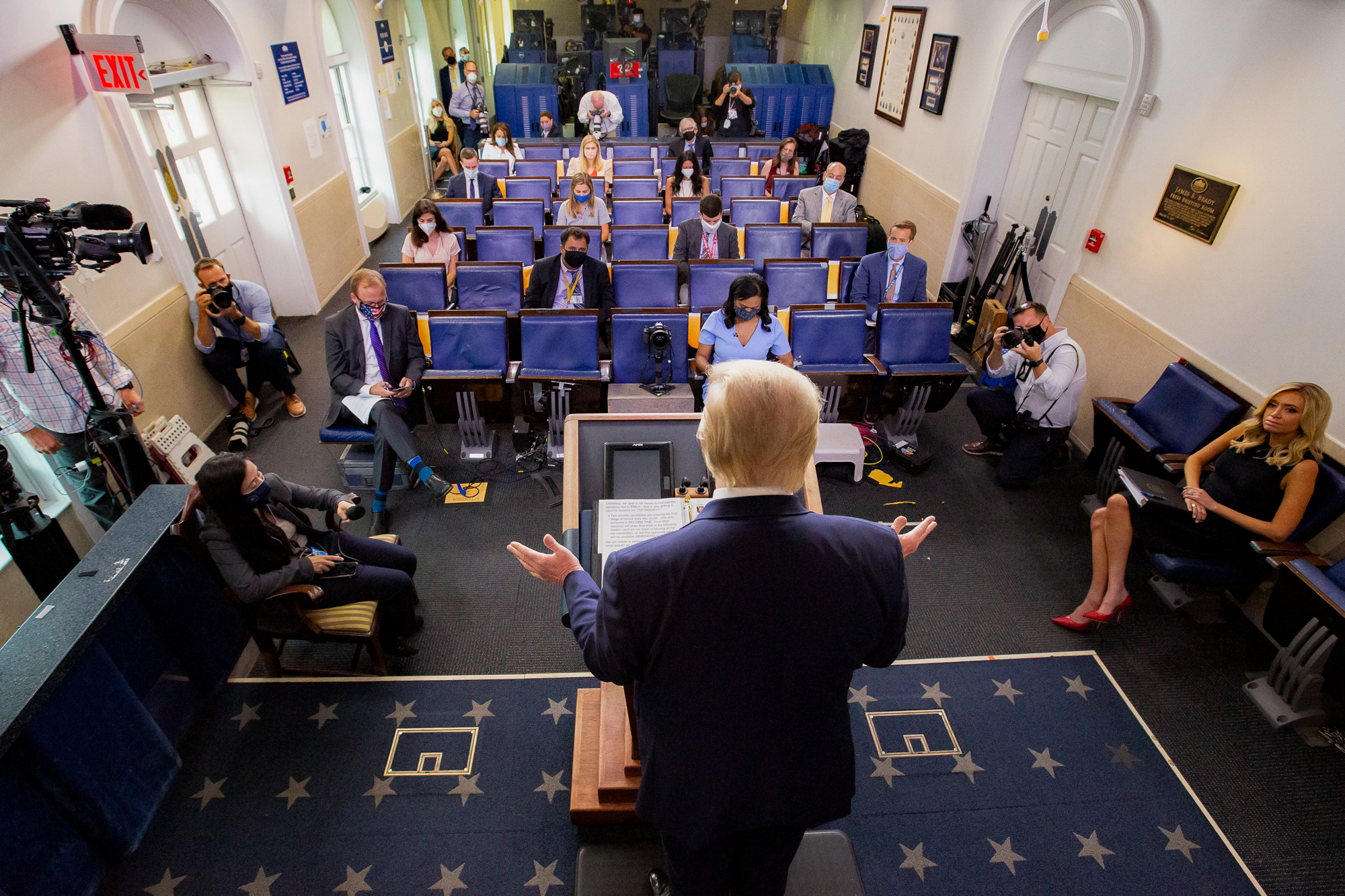
President Donald Trump, speaking in Washington on Monday, made controversial claims linking Tylenol and childhood vaccines to autism and signed an executive order calling for fewer childhood vaccines. Scientists and medical experts said those links were unfounded or unsupported, and the remarks drew the stunned, sharply critical reaction behind descriptions of Trump’s claim as “astoundingly stupid.”
The episode matters because Trump paired a policy move affecting children’s immunizations with unproven medical advice for pregnant women and parents. The administration’s plans, the evidence on acetaminophen and autism, and the practical meaning for families are separate questions—but they collided in one White House announcement.
What Trump said in Washington
According to the Associated Press, Trump repeatedly told pregnant women not to take Tylenol, the brand name for acetaminophen, and urged mothers not to give it to infants. He asserted links between the medicine, vaccines and autism without presenting medical evidence supporting those claims.
Trump also revived a long-discredited claim that vaccine ingredients or closely timed shots could be contributing to autism diagnoses. Scientists have repeatedly found no credible evidence that routine childhood vaccines cause autism.
The White House event came with an announcement that the Food and Drug Administration would notify doctors that acetaminophen use during pregnancy can be associated with an increased autism risk. AP reported that the administration did not immediately provide a justification for that recommendation.
The order targets vaccine schedules
The executive order Trump signed Monday calls for most children to receive fewer vaccines, according to The Wall Street Journal. It also encourages parents to spread vaccinations over more pediatric visits and urges states to require fewer vaccines for school attendance.
The order calls for measles, mumps and rubella vaccinations to be given as separate shots instead of the combined MMR vaccine commonly used in the United States. It also describes three categories of vaccines: those recommended for all children, those for high-risk children and those subject to shared decision-making between parents and clinicians.
The Wall Street Journal reported that the shared-decision category includes vaccines for COVID-19, influenza and hepatitis B, among others. The order itself does not establish that any existing vaccine causes autism; it changes the administration’s approach to recommendations and access.
Why doctors rejected the autism claims
Medical experts drew a firm line between studying potential risks and treating a possible association as proof of causation. Autism expert David Mandell of the University of Pennsylvania told AP that research on acetaminophen use during pregnancy is not conclusive: some studies have raised a possible concern, while many others have not found one.
That distinction is especially important in pregnancy. People may take acetaminophen because they have fever, pain or another underlying illness, making it difficult for researchers to separate the effects of a medicine from the condition that prompted its use.
The Society for Maternal-Fetal Medicine has warned that fever during pregnancy, particularly in the first trimester, can itself raise risks including miscarriage and preterm birth. That is why medical guidance weighs the risks of untreated illness alongside the risks and benefits of any medicine.
Trump’s warning against giving Tylenol to young children also conflicts with the scientific understanding that autism begins during fetal brain development, experts told AP. It does not follow that a medicine given after birth causes the condition.
Physician groups warn of confusion
The Society for Maternal-Fetal Medicine said it continues to regard Tylenol as an appropriate option for treating fever and pain during pregnancy. The American College of Obstetricians and Gynecologists said suggestions that Tylenol use in pregnancy causes autism were irresponsible because of the potentially harmful and confusing message for pregnant patients.
Art Caplan, a New York University bioethicist, offered one of the strongest reactions reported by AP, calling Trump’s comments an extraordinary display of unsupported claims and dangerous advice from a public official. That type of criticism explains why the remarks generated such an intense response: the speaker was not merely offering a personal theory but using the presidency to promote it.
Supporters of a more skeptical approach to the childhood vaccination schedule may argue that parents deserve more individualized discussions with their doctors. Shared decision-making is already a familiar part of medicine in many situations. But it depends on families receiving clear information about what is known, unknown and disproven—not being asked to treat debunked vaccine-autism claims as open scientific questions.
Vaccines and autism are not linked
The vaccine-autism theory has been studied extensively for decades. Large studies and reviews have not found that routine childhood vaccination, the MMR vaccine or vaccine ingredients cause autism.
Concern about the MMR vaccine was amplified by a now-retracted 1998 paper that alleged a connection. Subsequent research failed to replicate its claims, and the paper’s lead author was later removed from the United Kingdom’s medical register for professional misconduct related to the research.
That history matters because changes in vaccine policy can influence public confidence even when an order does not explicitly state that vaccines are unsafe. Lower vaccination uptake can allow preventable diseases to spread more easily, particularly among babies too young to be fully vaccinated and people with weakened immune systems.
What remains unclear for families
The practical effect of Trump’s order will depend on how federal agencies interpret it, whether states alter school immunization requirements and how pediatricians apply any new guidance. The order’s broad categories leave major implementation questions unanswered.
For now, the immediate medical guidance has not changed: pregnant patients should discuss fever, pain and medication choices with their own obstetric clinician, rather than abruptly stopping a recommended treatment because of a political announcement. Parents considering vaccine timing should likewise speak with a pediatrician who can explain their child’s individual circumstances and the evidence behind the standard schedule.
The central issue is straightforward even amid the political fight. Research can continue into autism and medication safety, but ongoing research is not evidence that Tylenol or routine childhood vaccines cause autism. Scientists and physician groups say Trump’s Monday remarks blurred that essential line.








Leave a Reply