
The National Mall fair was designed as a major public celebration of the nation’s 250th anniversary. Questions about attendance, state participation and its political tone have instead become part of the story.
Donald Trump is scrambling to fill seats at his latest vanity event, the Great American State Fair on the National Mall in Washington, D.C., where attendance has been weak by some accounts. The 16-day fair, held June 25, 2026, through July 10, 2026, was meant to mark the 250th anniversary of American independence and attract visitors from across the country.
Trump’s efforts to boost attendance matter because the fair is not just a summer attraction. It is a high-profile, White House-backed display of how his administration wants to frame the nation’s semiquincentennial: patriotic, expansive and open to everyone. The early turnout questions have put that message under pressure.
A national celebration with a local test
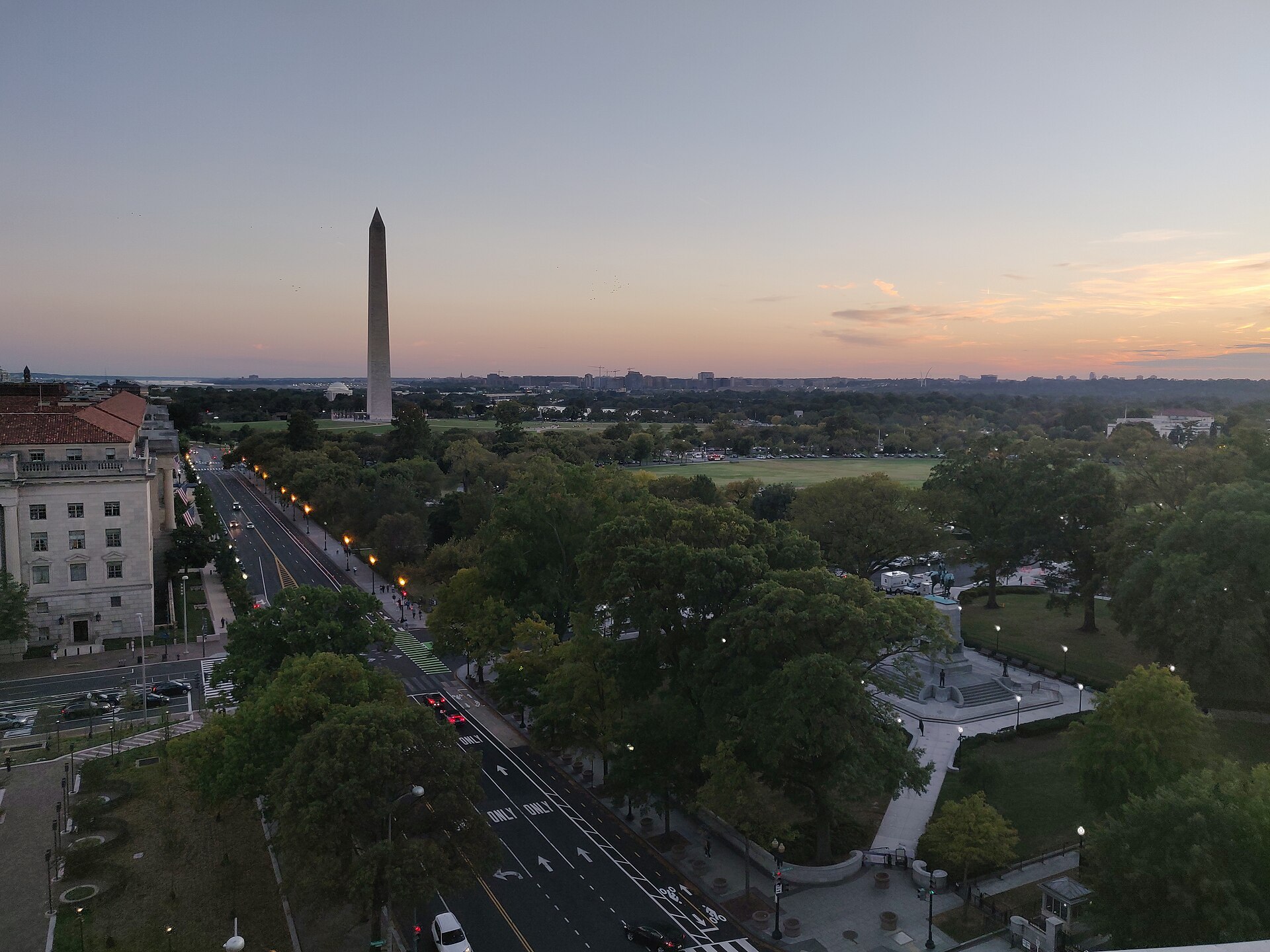
The Great American State Fair sprawled across 10 blocks of the National Mall, between the Washington Monument and the U.S. Capitol. It brought together familiar fairground staples, including a Ferris wheel, food vendors, rodeo programming, concerts and state-themed pavilions.
Freedom 250, the organization running the event, presented it as a public celebration for Americans of every age and background. A spokesperson told NPR that the fair had “something for everyone,” and argued that celebrating the country’s founding should not be treated as a partisan exercise.
That broad invitation is central to the event’s purpose. An anniversary fair can succeed as a civic gathering only if people who do not share the president’s politics see it as theirs, too.
Trump’s rally set the tone
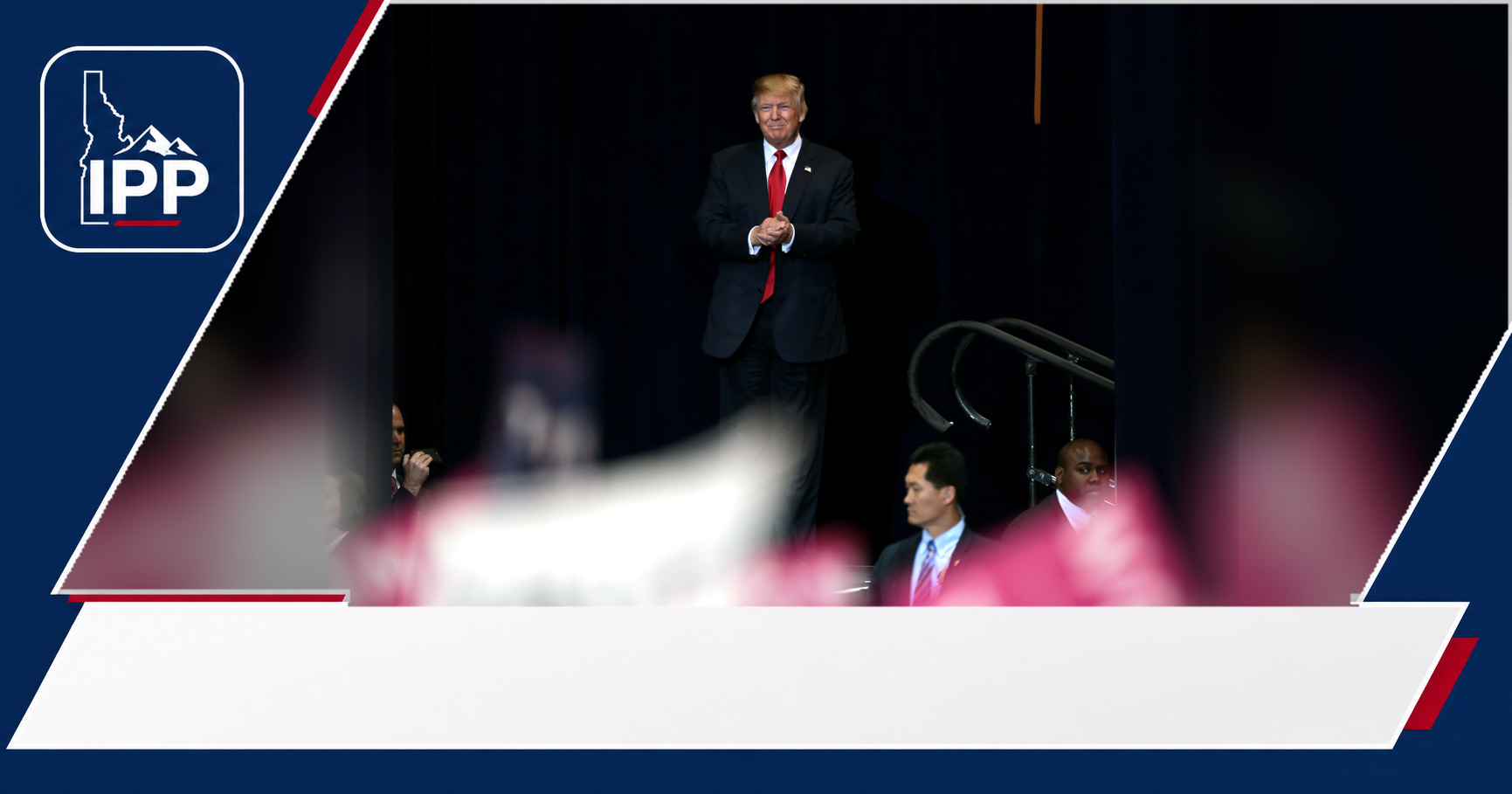
The fair opened with a Trump rally that NPR described as campaign-style. Trump highlighted his record, criticized his predecessor and declared that “America is back,” according to the outlet’s reporting.
Supporters interviewed at the fair said they saw the event as patriotic and unifying even if the president’s appearance was political. One visitor from Las Vegas acknowledged the partisan character of the rally but said he hoped people would focus on a shared national message.
Critics saw a different signal. Beginning a public anniversary fair with a presidential rally gave the event a political identity before many visitors had a chance to experience its state exhibits, performances or family activities.
That tension helps explain why attendance is more than a head count. A thin crowd, particularly after a major presidential kickoff, can become evidence for critics who argue the fair was built around Trump’s image rather than a genuinely shared commemoration.
Participation was uneven from the start
All states were represented in theory, but not all sent staff or committed the same level of resources. NPR reported that at least 10 state governments, many in the Northeast and Pacific Northwest, declined to spend money on the event or send personnel.
The states that opted out cited costs that could reach $100,000 or, in some cases, substantially more. Several said they preferred to focus their anniversary programming at home. Most of those states are led by Democrats, though the stated reasons were often financial.
The result was a visual problem for an event built around state showcases. Some pavilions offered extensive displays and activities, while others had little beyond basic signage and empty chairs.
Even that gap did not go unchallenged. NPR reported that a Massachusetts resident secured permission to help staff her state’s pavilion after Massachusetts declined formal participation. Her effort captured both sides of the fair’s dilemma: some people wanted their states visibly included, while governments questioned the value and cost of joining a Washington production.
Operational problems added to the optics
Organizers also faced early logistical trouble. NPR reported a delayed opening and generator issues that intermittently stopped the Ferris wheel and caused some ice cream supplies to melt.
None of those setbacks alone determines whether a 16-day event succeeds. Outdoor festivals routinely encounter equipment, weather and scheduling issues. But the problems carried extra weight because the fair was intended as a polished national showcase on one of the country’s most recognizable public spaces.
For Trump, whose political brand has long emphasized crowd energy, spectacle and visual scale, the pressure to demonstrate momentum is especially acute. Reporting that he is trying to attract more attendees should be understood in that context: a large and lively audience would reinforce the fair’s premise, while visible empty space would invite a harsher interpretation.
There is also a practical distinction worth keeping clear. Strong or weak attendance can be difficult to judge from isolated images, social-media clips or particular hours of a multiday event. A reliable final assessment would require attendance figures, capacity information and a fuller picture of traffic across the fair’s entire run.
The inclusion debate is not going away
Questions about turnout overlap with deeper disputes about who is represented at the fair. NPR reported that the grounds included a “faith and family” pavilion, programming tied to the administration’s Make America Healthy Again initiative and a booth for parents to sign children up for “Trump accounts.”
Some visitors praised the atmosphere and said they had no concerns about the politics surrounding it. Others said the heavy emphasis on Trump, conservative cultural themes and Christian programming made them feel less included in an event advertised as national.
A Vermont history teacher who spoke with NPR said the fair reflected the country’s divisions. He cited uneven state participation, the presentation of history and religious overtones as reasons he left uneasy, though he said he had arrived willing to give the event a chance.
Freedom 250 said it welcomed people of all faiths and beliefs while defending faith-based programming as part of the country’s history. The organization did not directly address NPR’s question about plans to represent other religions during programming dedicated to faith, values and inspiration.
What the fair’s turnout will reveal
The Great American State Fair was conceived as an early centerpiece of the broader 250th-anniversary calendar. Its final legacy will depend on more than whether Trump can fill seats or create a stronger visual crowd around the National Mall.
Organizers will be judged on whether the event drew people beyond Trump’s core supporters, whether states and communities felt welcome to participate, and whether the fair’s practical problems were temporary opening-day stumbles or signs of a rushed rollout.
For now, the attendance push underscores the central contradiction. The administration is promoting a unifying national celebration, but the event’s launch has made it difficult to separate the country’s birthday party from the politics of the president hosting it.


Leave a Reply