
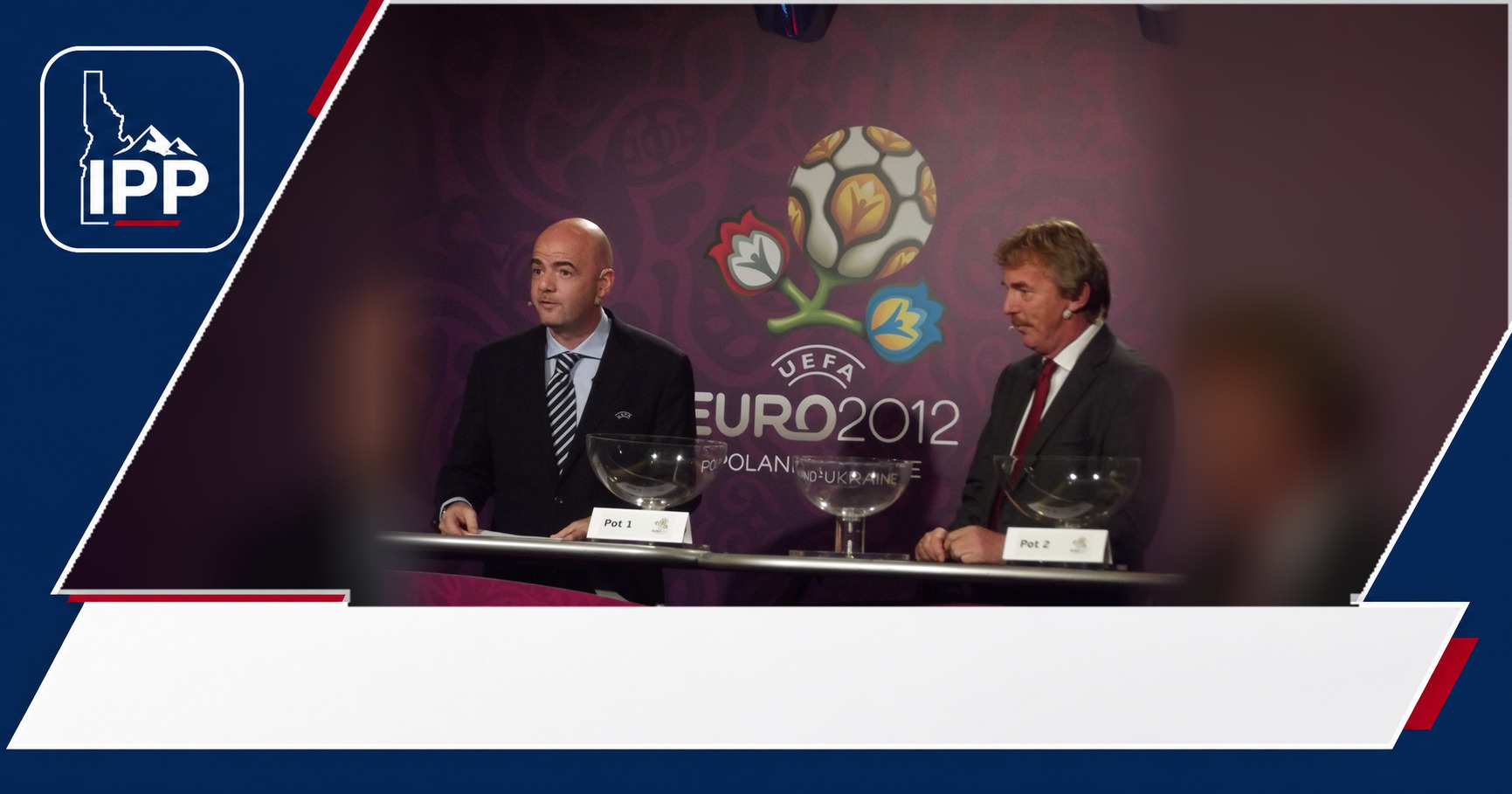
The dispute combines a confirmed payment with unproven allegations about why it was made. UEFA says the payment complied with its rules at the time, while FIFA president Gianni Infantino calls the allegations categorically untrue.
UEFA confirmed that it made a six-figure departure payment to a former female employee during Gianni Infantino’s tenure as general secretary. FIFA president Gianni Infantino denies allegations that inappropriate conduct or an affair was behind the payment, calling the claims categorically untrue.
The key distinction is between the payment itself, which UEFA has acknowledged, and the alleged personal relationship cited in reporting, which Infantino disputes. UEFA says the money covered fees connected to the employee’s MBA studies and was permitted under its rules at the time.
What UEFA has confirmed
UEFA, European football’s governing body, said a departure payment was made to the individual in question. The organization did not, in the material reported by the BBC, identify the woman or publicly set out the precise amount of the payment.

Reporting describes the sum as six figures. UEFA said the payment included fees enabling the former employee to complete an MBA course at a local business school.
That explanation is central to UEFA’s response: it presents the payment as an employment-related arrangement rather than evidence of personal misconduct. The organization said the payment complied with the regulations that applied at the time.
The allegation Infantino disputes
The allegation originated in a Daily Telegraph investigation, according to the BBC. The report said UEFA paid the woman during the period when Infantino was its general secretary and alleged that she had a relationship with him.
Infantino, who led UEFA’s administration from 2009 until 2016 before becoming FIFA president, has denied that account. A spokesperson said he “strongly denies” the allegations and described them as categorically untrue.
The spokesperson also said any suggestion of inappropriate conduct or a breach of statutes or regulations was defamatory. The statement said no UEFA or FIFA employee had raised a complaint about Infantino’s behavior.
Those are denials and assertions from Infantino’s side, not findings by an independent tribunal or investigation cited in the available reporting. Likewise, UEFA’s confirmation of a payment does not by itself establish the alleged reason for it.
Why the payment draws scrutiny
Departure arrangements are not unusual in large organizations. They can cover notice periods, contractual obligations, legal settlements, benefits, education costs or other terms negotiated when an employee leaves.
They attract more attention when senior executives are involved, when the total is substantial, or when questions arise about whether an employee may have received preferential treatment. In this case, the confirmed payment and the disputed allegation have become inseparable in public discussion.
For UEFA, the task is not simply to say that a payment was allowed. It is to explain whether the approval process, documentation and internal safeguards were strong enough to demonstrate that the decision was handled fairly.
For Infantino, the issue carries a separate reputational burden. He is one of world football’s most prominent administrators, and claims involving conduct toward staff can shape perceptions even when they are firmly denied.
UEFA points to newer rules
UEFA said its regulations have since been tightened and now reflect standards expected of a modern, high-profile organization. The statement does not establish that the earlier rules were broken; UEFA’s position is that they were followed.
Still, an organization changing its rules after a disputed arrangement can invite obvious questions. Were the old provisions too broad? Did they give executives too much discretion? And what procedures now exist to prevent conflicts of interest or preferential treatment?
The available accounts do not answer those questions in detail. UEFA has confirmed the payment and its stated purpose, but no full public account of the approval process, the specific policies then in force, or the total sum has been provided in the reporting cited.
Confirmed facts and unresolved claims
The confirmed facts are limited but significant: a former employee received a departure payment, it was made while Infantino worked at UEFA, and UEFA says it was lawful under its then-current regulations and related in part to MBA fees.
The alleged affair and any connection between that allegation and the payment remain disputed. Infantino denies both inappropriate conduct and any violation of rules. The reporting provided does not cite a public adjudication that resolves the competing accounts.
- Confirmed by UEFA: a departure payment was made to the former employee.
- UEFA’s explanation: the payment covered MBA-related fees and complied with rules at the time.
- Reported allegation: the payment was linked to an alleged relationship with Infantino.
- Infantino’s response: he denies the allegations categorically.
What to watch from here
The next meaningful development would be greater documentary detail from UEFA, a further response from FIFA or Infantino, or evidence of a formal review. Without that, the public record remains a confirmed payment surrounded by competing explanations.
The episode also underscores a broader governance lesson for football bodies: transparency matters most when a decision is technically permitted yet likely to be viewed through questions of power, workplace conduct and accountability.
UEFA’s acknowledgement settles one part of the story. It does not settle the allegation that has prompted the scrutiny, and Infantino’s categorical denial remains the other essential part of the record.











Leave a Reply