
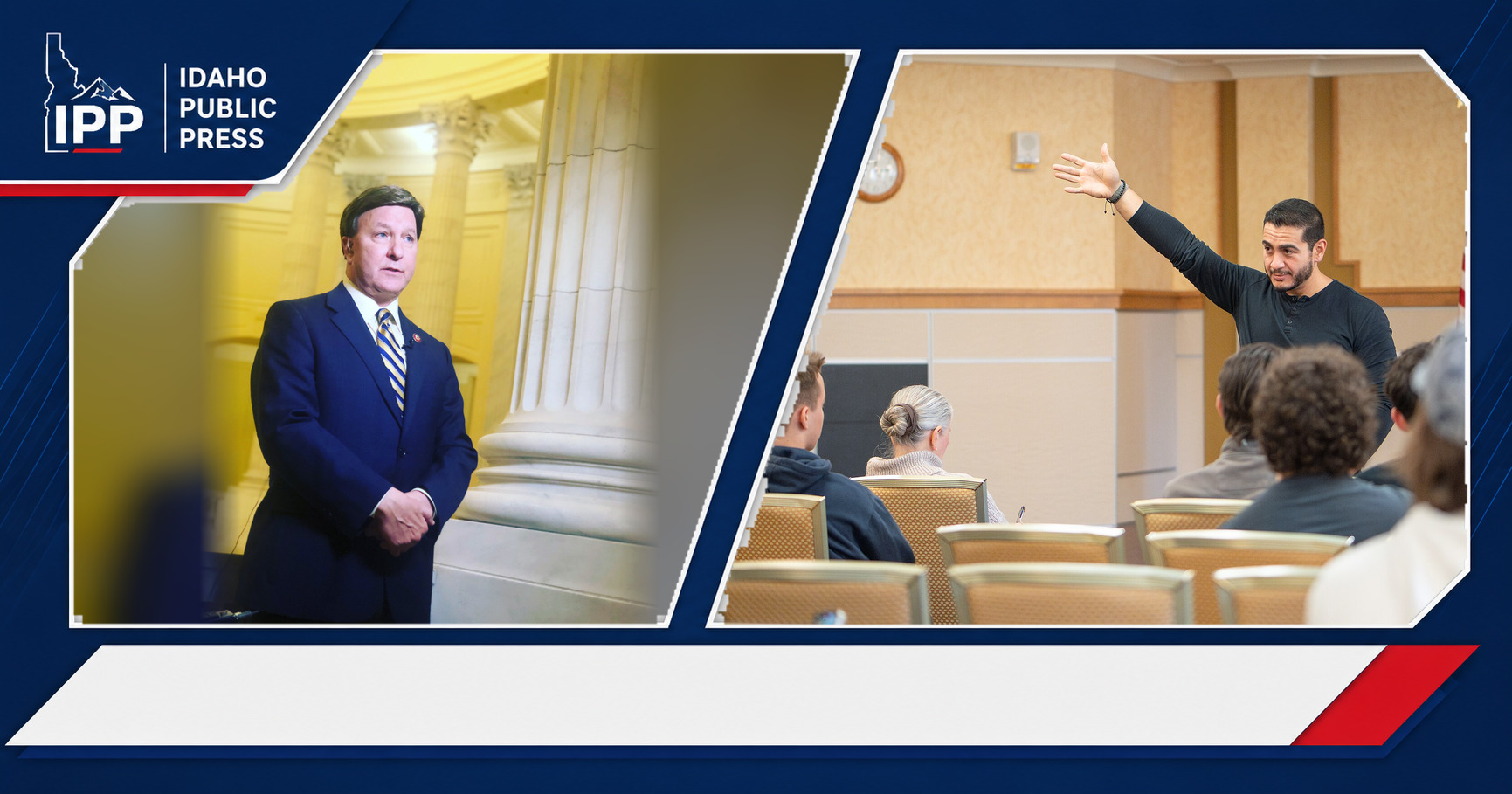
Abdul El-Sayed’s victory gives Michigan Democrats a progressive nominee, but it also gives Republican Mike Rogers a clear opening to test whether primary tensions will carry into November. The contest could help decide control of the U.S. Senate.
Abdul El-Sayed’s Republican opponent, former Rep. Mike Rogers, is directly appealing to Democratic voters in Michigan after El-Sayed won a divisive Democratic Senate primary. Rogers is seeking to capitalize on the hard feelings left by El-Sayed’s close race against Rep. Haley Stevens, betting that not every Democrat will quickly unite behind the progressive nominee.
The strategy matters because Michigan’s November Senate race is expected to be highly competitive and could affect control of the Senate. El-Sayed says his campaign is focused on bringing Democrats back together; Rogers and national Republicans see an opportunity to make that unity harder.
Rogers sees an opening
Rogers secured the Republican nomination without opposition, according to NBC News, while Democrats spent months in a far more bruising contest between El-Sayed and Stevens. That contrast gives Rogers a simpler immediate task: consolidate his own party while inviting disaffected Democratic and independent voters to consider an alternative.
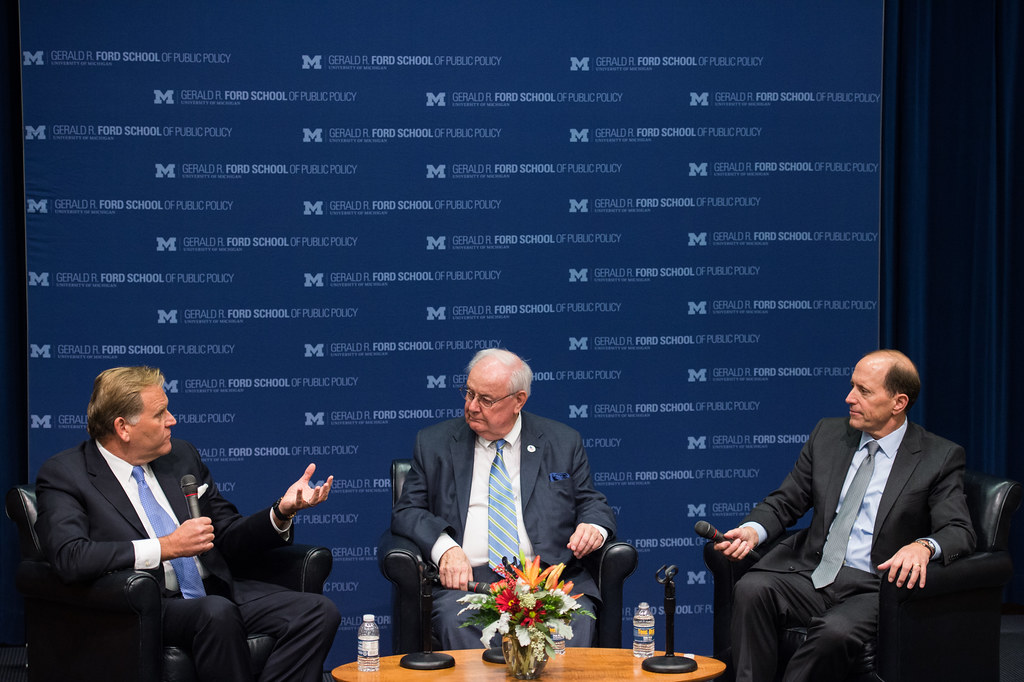
CNN reported that Rogers was directly pitching Democrats after the primary. The available reporting does not establish how many Democratic voters are receptive, or which specific messages Rogers is using with each audience. But the broad political logic is clear: a Republican does not need to win most Democrats in Michigan to benefit from even a modest reduction in Democratic turnout or support.
Michigan has repeatedly shown why campaigns chase those margins. Donald Trump won the state in 2016 and again in 2024, while Joe Biden carried it in 2020. A race decided by a narrow coalition can turn on suburban voters, independents, ticket-splitters and people who simply choose not to vote.
A primary left real tensions
El-Sayed emerged from a close Democratic primary in which the party establishment largely lined up behind Stevens. Gov. Gretchen Whitmer endorsed Stevens late in the race, while El-Sayed built support from prominent progressive figures including Sen. Bernie Sanders and Rep. Alexandria Ocasio-Cortez.
The contest was not merely a dispute over personalities. El-Sayed ran on priorities including Medicare for All, opposition to the influence of money in politics and sharp criticism of Stevens’ support for aid to Israel. Michigan’s sizable Muslim and Arab American communities made the debate over Israel and Gaza especially significant.
El-Sayed overcame what NBC described as nearly $65 million in outside spending and an establishment-backed effort to stop his campaign. That win gives him a powerful argument that his candidacy energized voters who felt overlooked. It also leaves him with the familiar general-election challenge facing insurgent candidates: proving that primary enthusiasm can become a broader statewide coalition.
El-Sayed makes unity central
El-Sayed has publicly acknowledged the need to repair divisions. After Stevens conceded, she said she had called to offer him her full support and said Democrats needed to unite to win the seat. El-Sayed, in television interviews cited by NBC News, said both campaigns had committed to bringing the party together.
“There’s a lot of healing to do after a hard fought primary like this,” El-Sayed said on CBS Mornings, describing his campaign as a “big open movement.” That message is directed at Stevens supporters, party officials and voters who may have worried that the primary moved the nominee too far left for a general election.
Whether the healing is substantive will matter more than the language of unity. Endorsements and joint appearances can signal a settled primary, but campaigns still need volunteers, donor networks and local validators to work for the nominee with real energy. Rogers’ outreach is designed to test any gap between formal support and voter enthusiasm.
Republicans sharpen the contrast
National Republicans had already indicated they viewed El-Sayed as a preferable general-election opponent to Stevens. The National Republican Senatorial Committee ran digital advertising that emphasized El-Sayed’s progressive credentials and his support from Sanders, a move widely seen as an attempt to help him in the Democratic primary.
President Donald Trump, who endorsed Rogers early, also signaled that he believed Rogers would fare better against El-Sayed than Stevens. Trump attacked candidates associated with democratic socialism after the primary, though NBC noted that El-Sayed has not been endorsed by the Democratic Socialists of America and has said he is not “technically or practically DSA.”
That distinction is likely to matter little to Republican messaging. Rogers can be expected to tie El-Sayed to national progressive figures and portray his positions as outside Michigan’s political mainstream. El-Sayed’s campaign, meanwhile, will try to present its economic message as populist rather than ideological, with an emphasis on health care, affordability and concerns about corporate influence.
Michigan’s coalition math returns
The winner will replace Democratic Sen. Gary Peters, who chose not to seek a third term and endorsed Stevens in the primary. Democrats are defending difficult seats as they try to regain the Senate majority; Republicans currently hold 53 seats, meaning the Michigan race has national consequences beyond state lines.
For Rogers, the immediate advantage is that he can focus on a general-election argument while El-Sayed manages the aftermath of a contentious primary. For El-Sayed, the primary result offers its own advantage: he demonstrated that a progressive campaign could win in an industrial Midwest battleground despite major outside spending against it.
The unanswered question is whether El-Sayed’s coalition can expand without losing its urgency, and whether Rogers can turn Democratic disappointment into actual crossover votes. Stevens’ concession and pledge to work for Democrats are early signs of party consolidation. The November campaign will show whether that unity reaches voters who did not choose El-Sayed the first time.
The campaign now moves outward
Both nominees have incentives to speak beyond their party bases. Rogers needs enough independents and Democratic defectors to offset Michigan’s Democratic infrastructure. El-Sayed needs Stevens supporters and less ideological Democrats to conclude that defeating Rogers matters more than the differences exposed in the primary.
That makes the race a test of two competing political theories. Rogers is wagering that a progressive nominee creates a durable opening with center-left voters. El-Sayed is wagering that a message built around health care, affordability and opposition to Trump-era Republican politics can unify a wider electorate than the primary itself suggested.
Neither argument has been settled by the primary. What has changed is the target: El-Sayed no longer needs to persuade Democratic voters that he is preferable to Stevens, while Rogers is openly trying to persuade some of those same voters that they have another option.







Leave a Reply