

The clash is not just about Covid oversight. It is about whether Congress can generate testimony that prosecutors might later use in a perjury or false-statement case.
Anthony Fauci’s testimony could expose him to prosecution, prosecutors and courts could later use testimony as evidence, and Republicans are pressing the issue after the former top U.S. infectious disease official declined to answer questions and invoked the Fifth Amendment at a Senate hearing Wednesday. This article explains how prosecution could happen: through the legal risk of perjury or false statements tied to sworn testimony.
That does not mean Fauci has been charged, or that invoking the Fifth Amendment is an admission of wrongdoing. It means the hearing turned into a legal-risk fight over whether Congress was seeking oversight, evidence, or a trap for a future criminal referral.
Why the Fifth mattered
Fauci, the former director of the National Institute of Allergy and Infectious Diseases, appeared before the Senate Homeland Security and Governmental Affairs Committee in a hearing focused on Covid origins and the government’s pandemic response, according to NBC News and Reuters.
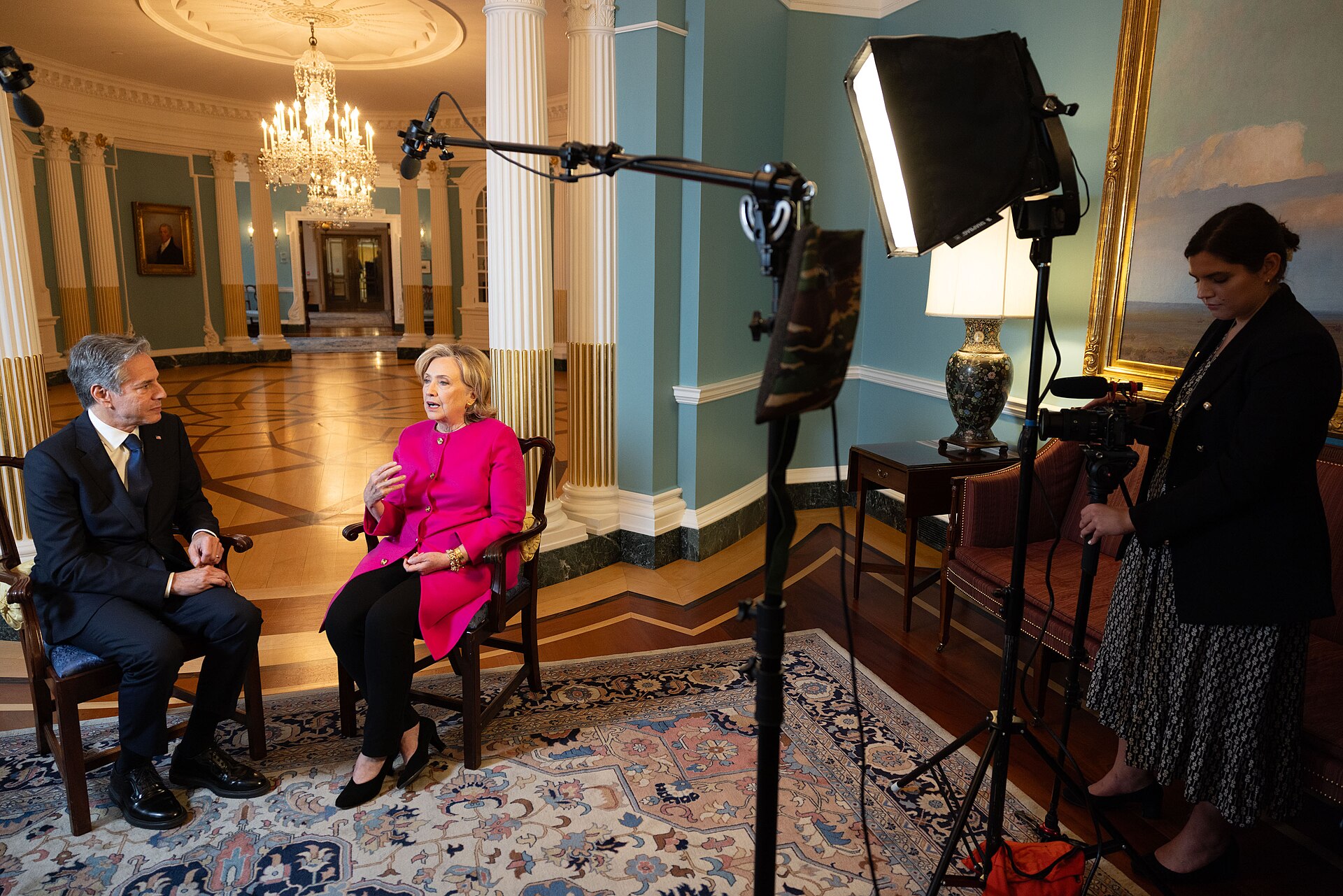
Instead of answering senators’ questions, Fauci repeatedly invoked his Fifth Amendment right against self-incrimination. NBC News reported that Fauci said he was acting on advice from his attorneys because Republicans could try to use his testimony to prosecute him for perjury.
The Fifth Amendment protects a witness from being compelled to give answers that could reasonably expose them to criminal liability. In practical terms, a witness does not need to prove guilt or innocence to invoke it. The key question is whether the risk of prosecution is real enough, not whether prosecutors already have a case.
Fauci framed that risk around Sen. Rand Paul, the Kentucky Republican chairing the committee, and Paul’s past calls for prosecution. NBC reported that Fauci accused Paul of trying to get him to say “something — anything” that could support Paul’s public desire to see him “behind bars.”
The prosecution path is narrow
There is no automatic jump from congressional testimony to criminal prosecution. The usual path would start with lawmakers identifying statements they believe are false, inconsistent or obstructive, then referring the matter to the Justice Department.
From there, prosecutors would decide whether to open or expand an investigation. They would have to review transcripts, documents, prior sworn testimony, emails and any other evidence that could show what Fauci knew at the time he spoke.
A court would enter the picture only later, if prosecutors sought charges, a grand jury returned an indictment, or legal disputes arose over privilege, immunity or congressional authority. That is why the phrase “could lead to prosecution” matters: it describes a possible legal chain, not a current criminal case.
The most obvious theories would be perjury or false statements. Perjury generally requires proof that a witness, under oath, knowingly made a material false statement. A false-statements case can involve knowingly and willfully making a materially false statement to the government, including in certain congressional settings.
Perjury is hard to prove
Perjury is not just being wrong. Prosecutors must prove that the statement was false, that it mattered to the proceeding, and that the witness knew it was false when they said it.
That last piece is often the hardest. Fauci’s defenders would likely argue that scientific, bureaucratic and policy discussions during the pandemic were complex, fast-moving and often uncertain. A disputed interpretation of emails, funding rules or public-health judgments is not necessarily a criminal lie.
Republicans pressing Fauci have argued for years that his public and congressional statements about Covid origins, research funding and the pandemic response deserve tougher scrutiny. Their theory is that contradictions between documents and prior testimony could show more than confusion or disagreement.
For prosecutors, the legal question would be colder: Is there admissible evidence proving, beyond a reasonable doubt, that a specific sworn statement was knowingly false and material? Political anger alone would not meet that standard.
Silence creates a second fight
Fauci’s refusal to answer did not end the dispute. NBC reported that Paul told Fauci there would be “repercussions” for not answering questions and said the committee would consider what action to take after the hearing.
That opens a separate issue from perjury: whether Congress can punish or challenge a refusal to testify. Lawmakers can seek contempt proceedings in some circumstances when witnesses defy subpoenas or refuse lawful questions.
But a valid Fifth Amendment claim is a powerful defense. If a witness has a legitimate fear that answers could be used in a criminal case, forcing testimony becomes legally complicated. Congress can sometimes try to compel testimony through immunity, but immunity brings its own limits because prosecutors may then be barred from using compelled testimony against the witness.
That is why Fauci’s move was legally strategic. By not answering substantive questions, he reduced the risk of creating new statements that could later be compared against documents or prior testimony. At the same time, he gave Republicans a new argument that he was obstructing oversight.
The hearing was political too
The legal fight cannot be separated from the politics around Fauci. He became one of the most visible public officials during the Covid pandemic, praised by many as a steady scientific voice and attacked by others as a symbol of lockdowns, mandates and institutional overreach.
NBC reported that Fauci used his opening statement to criticize Paul’s conduct, including what Fauci described as repeated attacks and the public release of his personal journal. Fauci said he had cooperated with Congress for decades and had testified or briefed congressional committees well over 200 times during his government career.
Democrats at the hearing rejected the Republican approach. Sen. Gary Peters of Michigan, the committee’s top Democrat, said the hearing risked scapegoating one person for a crisis handled by many officials across two administrations. Sen. Richard Blumenthal of Connecticut reportedly called the proceeding a “perjury craft” for future prosecution.
Republicans see the matter differently. For them, Fauci’s refusal may reinforce the argument that Congress still has unanswered questions about pandemic decision-making, government-funded research and whether public officials gave complete accounts under oath.
What remains unresolved
The biggest unanswered question is whether the dispute produces anything beyond the hearing room. A congressional committee can make noise, issue reports and refer matters. Prosecutors decide whether a criminal case is worth bringing.
Fauci has not been reported to face charges from this hearing. Reuters described him as invoking the Fifth Amendment and declining to answer questions. NBC reported that his lawyer, David Schertler, said Fauci had a valid Fifth Amendment privilege and the right to assert it.
The next steps could include a committee report, a request for more documents, a contempt fight, an immunity battle or a referral to the Justice Department. Each would take the issue from political theater toward a more formal legal test.
The clean takeaway is this: testimony can lead to prosecution when it gives prosecutors a provably false, material statement made knowingly under oath. Fauci’s refusal to answer was designed to avoid creating that kind of record. Whether Republicans can turn the standoff into a viable legal case remains unproven.









Leave a Reply